Apple continues to search for new ways to reinvent the design of its iPhones, at a time when competition is no longer based solely on processor power or camera quality. It has become linked to the materials used and the nature of the experience the phone offers the user. After moving to titanium for the Pro series, it seems the company sees that the path remains open for greater developments that could change the shape and durability of its devices in the coming years. In this article, we will take you on a quick tour as we review how Apple is testing revolutionary materials that could completely change the iPhone design in the coming years.
Liquid metal returns
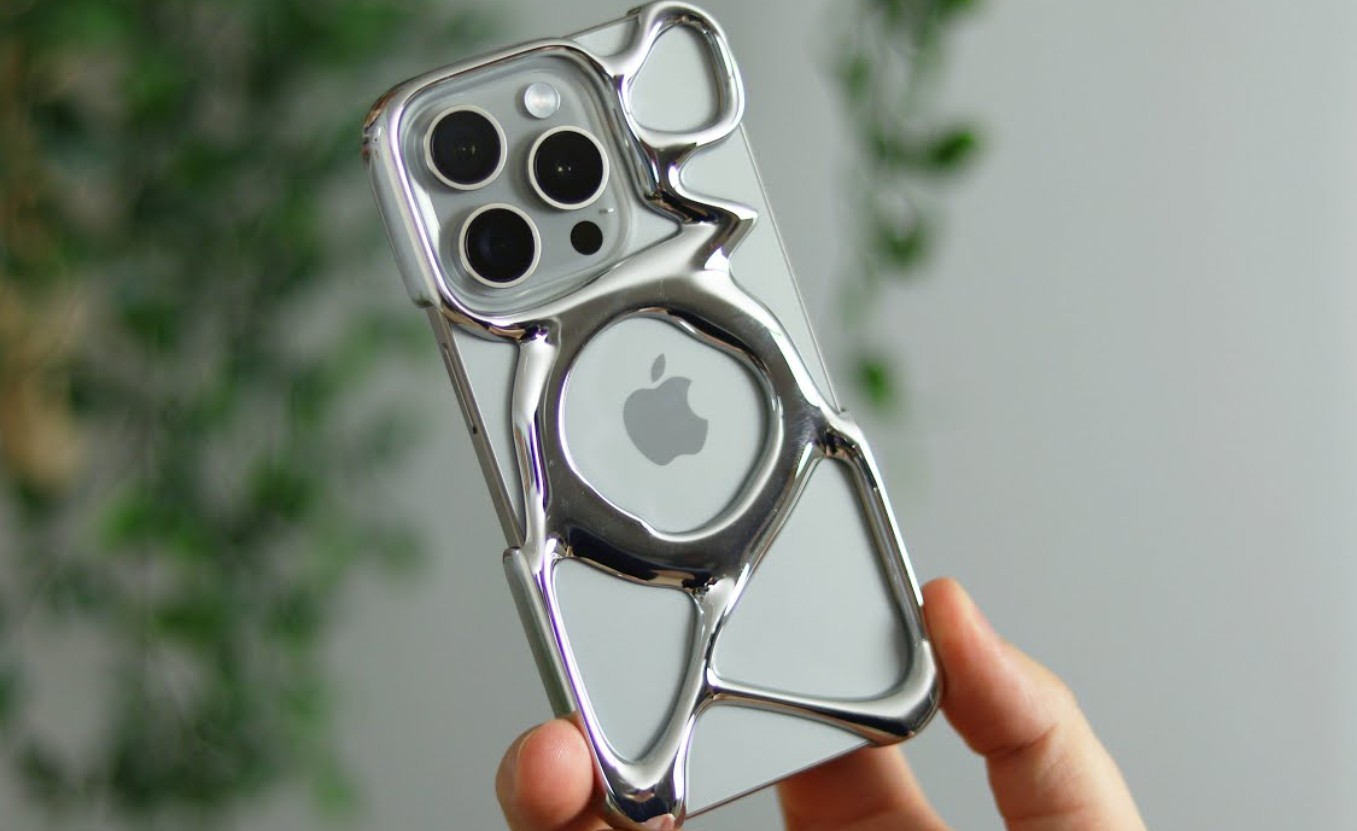
Although the name “liquid metal” sounds more like science fiction, Apple has been interested in this material for many years, with reports indicating that the company has been studying its use for over a decade. Liquid metal is characterized by an unconventional structure that gives it a rare combination of high strength and light weight, along with greater resistance to corrosion and high flexibility compared to the standard metals used in smartphones.
These properties are expected to make liquid metal particularly suitable for foldable devices, especially with the ongoing rumors about the development of a foldable iPhone that may carry the name iPhone Ultra.
Why is Apple looking for an alternative?
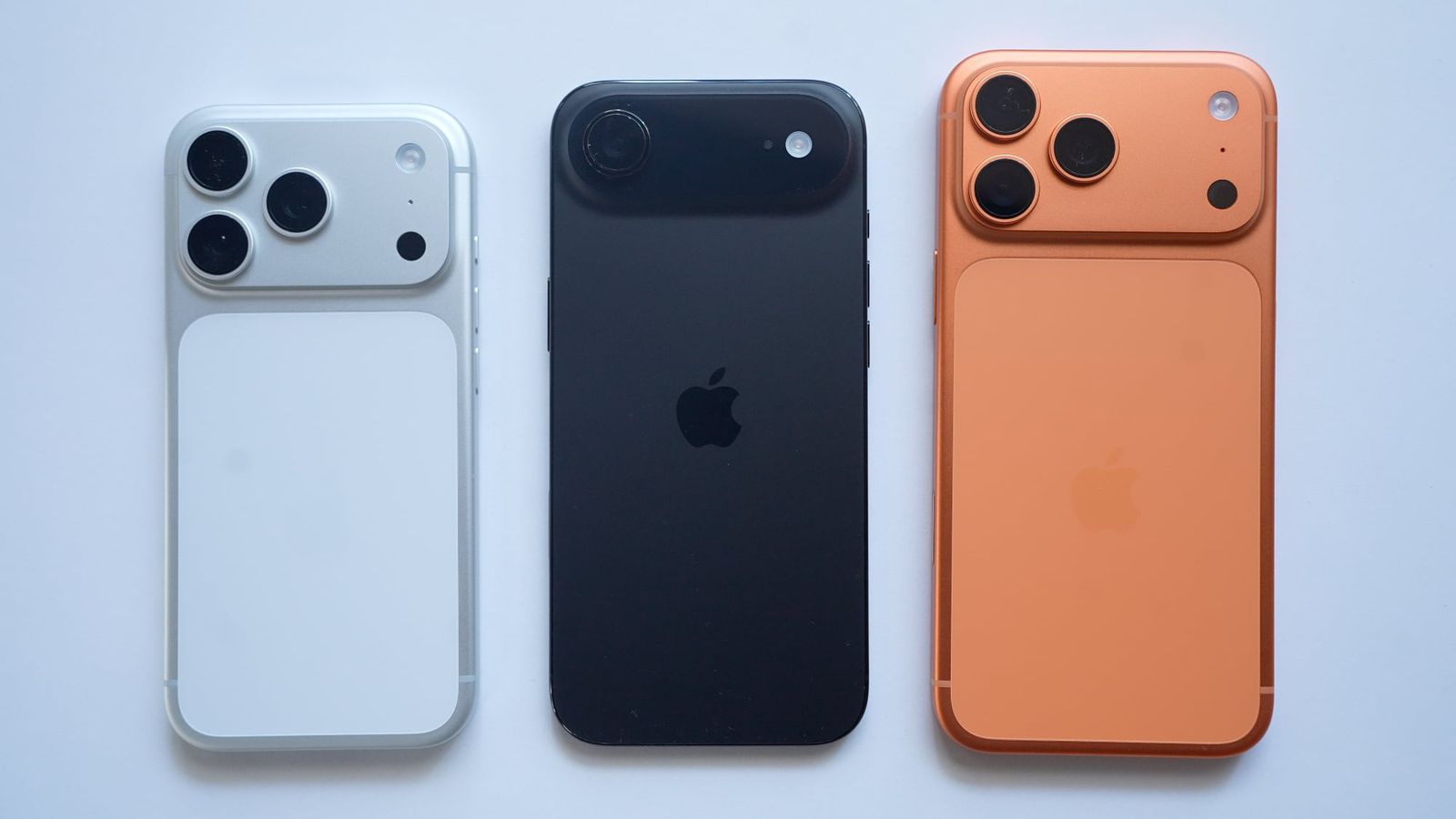
Apple had moved to titanium with the iPhone 15 Pro and Pro Max phones to reduce weight and improve durability. However, some users pointed out that their devices had heat-related issues that appeared at the beginning of the phone’s launch, before the company was able to address the matter via software updates.
In contrast, aluminum provides better heat dissipation but does not offer the same luxurious feel or rigidity that titanium provides. For this reason, Apple is trying to reach a new balance that combines durability, light weight, and cooling efficiency without sacrificing design quality.
Leaks also indicate that liquid metal may play a fundamental role for the foldable iPhone, as it could be used inside the hinges to reduce the appearance of creases on the screen and improve the device’s durability in the long term.
Furthermore, it is said that the company is working on developing new titanium alloys that are stronger and lighter than current materials, which could give future devices a design that is both thinner and more resistant.
Changes that won’t arrive soon
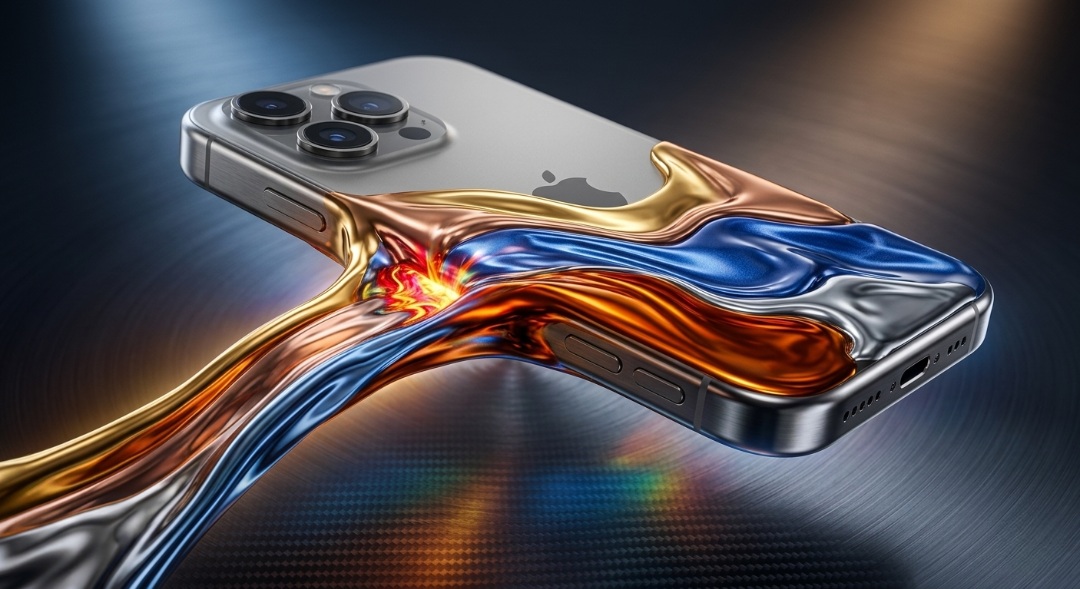
Despite all these leaks, it seems that the new materials are still in the early stages of testing, as current information indicates that production plans for future generations of the iPhone have already reached advanced stages, meaning that Apple does not plan to rely on these materials in the near future.
However, Apple’s history shows that the company often works for many years on specific technologies before actually introducing them into its devices. This makes the idea of using liquid metal or enhanced titanium in the Pro series a strong possibility in the coming years.
Ultimately, with continued competition in the flagship phone market, it seems that Apple is not only focusing on improving performance, cameras, and internal specifications, but is also seeking to reinvent the materials from which its devices are made, in an attempt to offer a new generation of phones that combine strength, lightness, and luxurious design.
Will Apple succeed in bringing about a new revolution in iPhone design? Tell us in the comments!
Source:



Leave a Reply