In an era where generative AI tools can create hyper-realistic images in mere seconds, traditional EXIF metadata is no longer sufficient to prove that what you see is a genuine shot captured through a real camera lens. Apple appears to be well aware of this challenge and is working on a game-changing solution; the code for the iOS 27 beta has revealed a new security feature aimed at definitively documenting the authenticity of photos captured by iPhones.
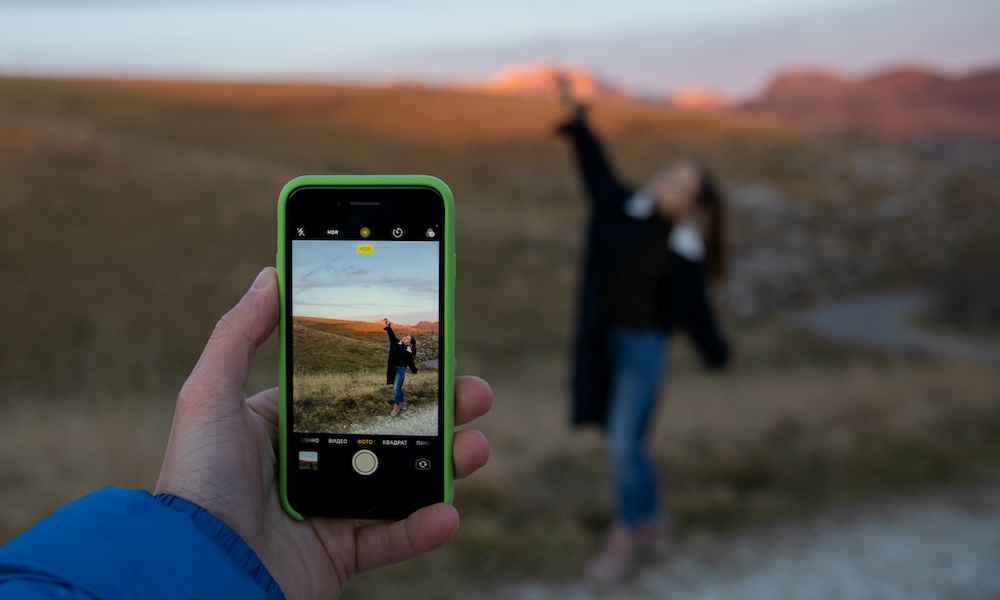
Goodbye to fakes: How does Apple’s reference image feature work?
For years, companies have been including device model names in photo metadata, but this data is just simple text that anyone can easily edit or delete. With the massive leap in deepfake and AI technologies like Gemini and ChatGPT, in addition to the realistic image generation features in Image Playground within iOS 27, there is an urgent need for an tamper-proof method to verify the source of an image.
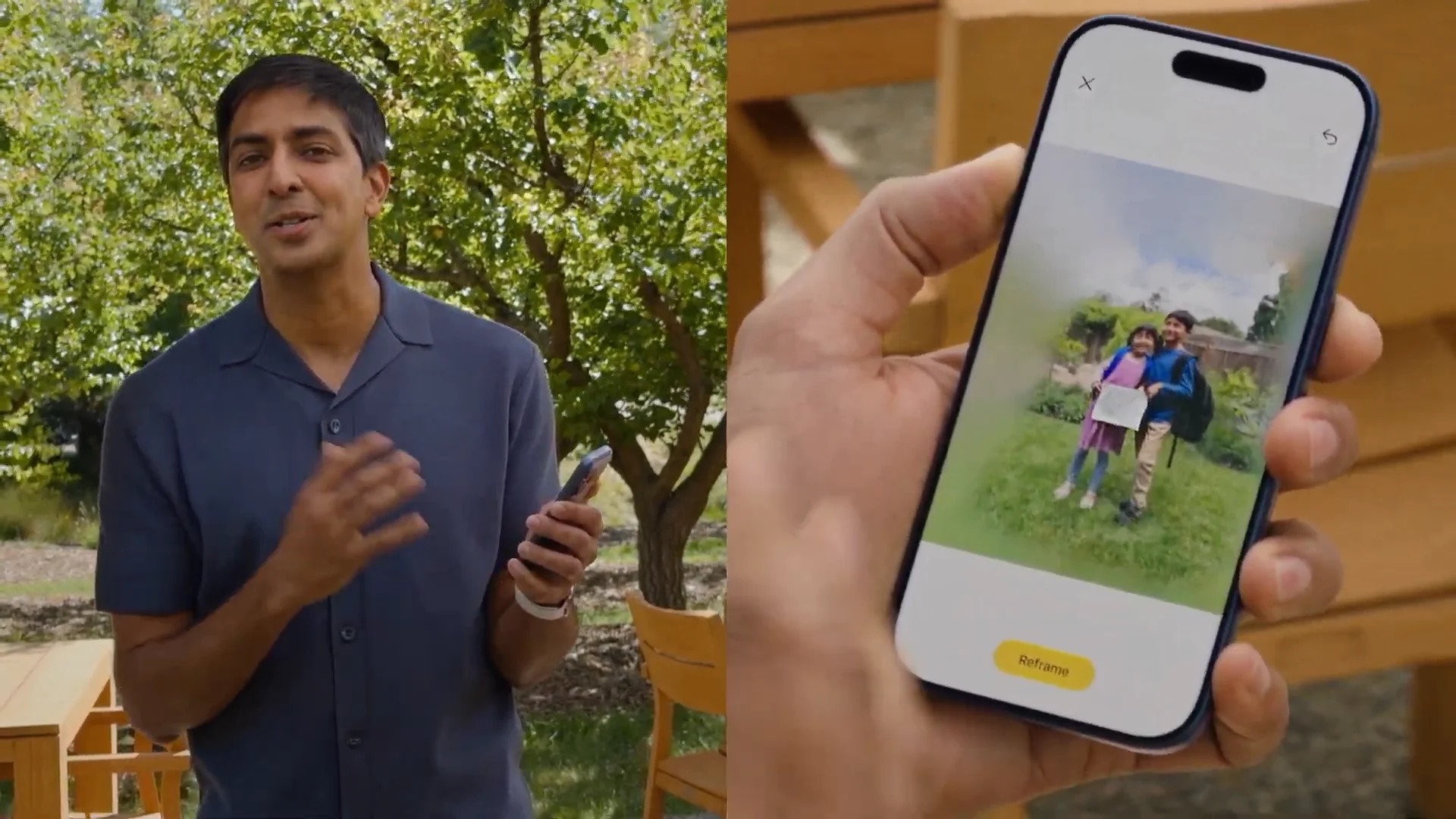
According to what 9to5Mac discovered in the iOS 27 code, Apple has developed a new option called Apple Reference Image. This optional feature will not only prove that an image is real and not AI-generated, but it will also precisely identify the specific camera hardware that captured it through the device’s unique sensor identifiers.
Private Cloud Compute and hardware verification
Details reported by MacRumors explain that the reference image feature relies primarily on Apple’s Private Cloud Compute servers. When the option is enabled, raw image data, digital sensor signatures, the timestamp of the capture, and unique camera identifiers are sent to Apple’s servers for processing and verification.

Once verification is complete, the file is granted a unique digital identifier that is returned to the user’s device as irrefutable proof. More importantly, Apple’s servers do not retain the original image itself; they only keep an encrypted hash and the evaluation results. This mechanism allows Apple to retroactively revoke previous certifications for a specific sensor if it is discovered in the future that the camera hardware has been compromised or tampered with.
Who is this feature for and when is it expected to be available?
Since this feature will be disabled by default, it is clear that Apple does not expect all users to enable it for everyday snapshots. Instead, it is primarily targeted at journalists, professional photographers, and content creators who need definitive proof that their images are realistic and have not undergone any digital editing or manipulation.
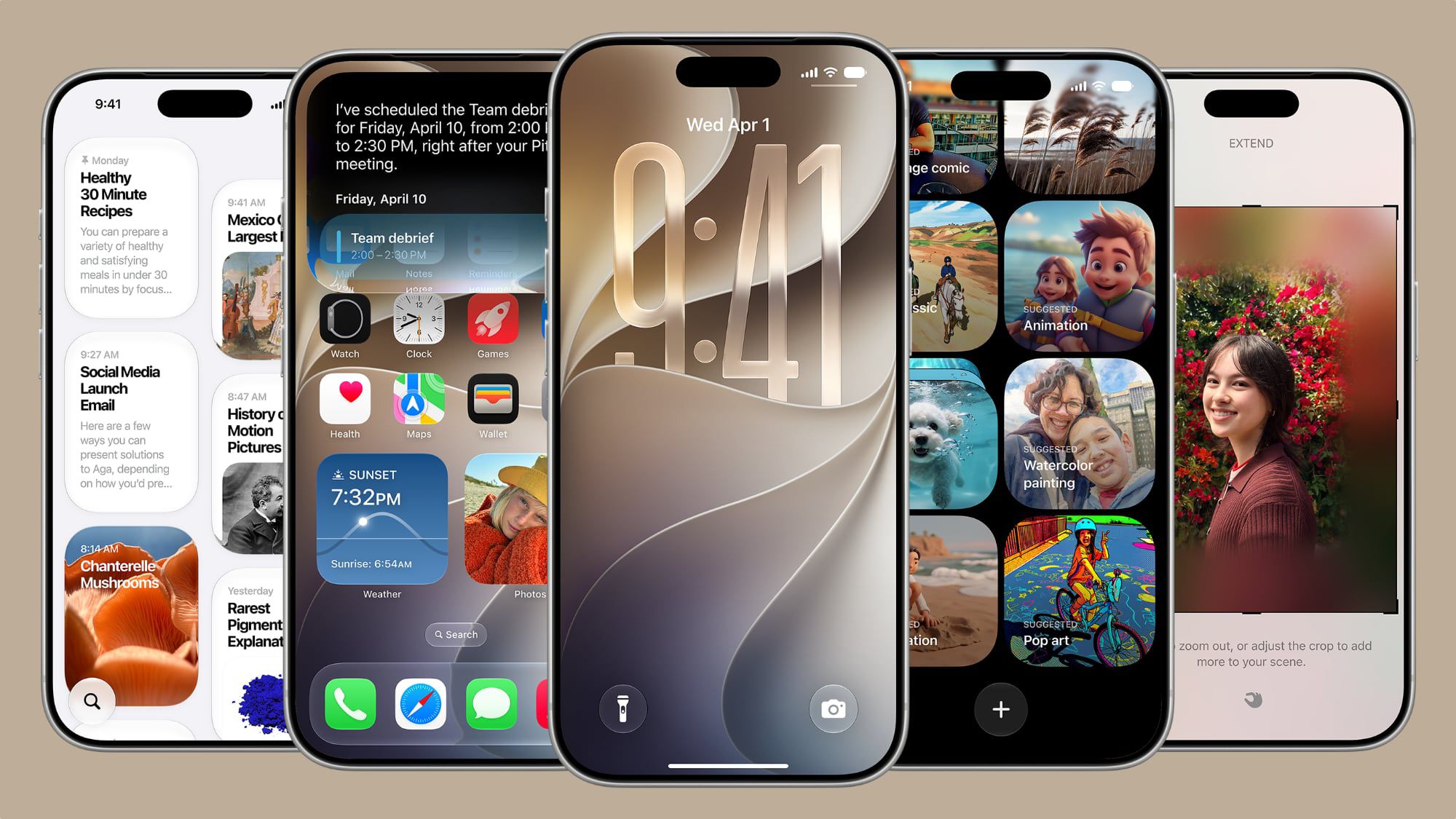
As with any feature appearing in beta code, there is no absolute guarantee that it will be launched immediately with the official release of iOS 27.0; Apple may choose to add it in a subsequent minor update or delay it for future releases until the feature’s infrastructure is fully complete.
Source:
Leave a Reply