While major tech companies, led by Apple, race to convince us that the future lies in foldable screens and algorithms that think for us, it seems the average user has a completely different opinion. At a time when reports and conferences are filled with buzzwords about the “AI revolution” and the “dawn of foldable phones,” the numbers indicate that companies are living in one world while users are living in another, as traditional priorities remain king.

Numbers Don’t Lie: The Gap Between Ambition and Reality
A recent study conducted by YouGov, commissioned by CNET, which included more than 2,400 smartphone owners in the United States, revealed a truth that might be painful for marketing managers. According to the survey, only 13% of participants expressed a desire to upgrade for a phone with a foldable design, while the percentage of those interested in AI features as a reason for upgrading did not exceed the 12% barrier.
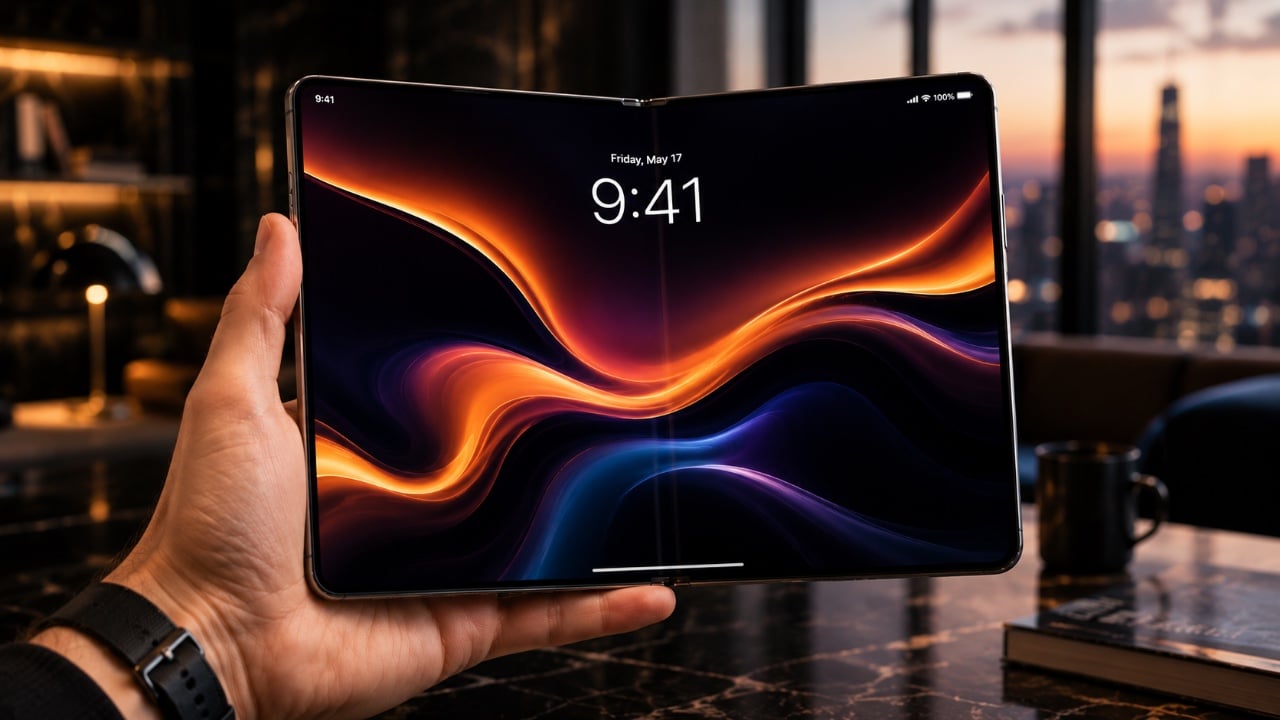
These results put Apple in an interesting position, especially as it prepares to launch the expanded Apple Intelligence suite this fall, alongside strong rumors about an “iPhone Ultra” or even a prototype of a foldable iPhone. It seems that users have not yet swallowed the bait of futuristic technologies, or perhaps they do not find in them the added value that justifies paying exorbitant amounts.
What Does the User Really Want? The Answer is in Your Pocket
If foldable screens and AI are not what drives the market, what do people actually care about? The answer is as classic as we expected. Price topped the list of drivers for upgrading at 55%, followed by longer battery life at 52%, and large storage capacity at 38%. This holy trinity (price, battery, space) has continued to dominate consumer minds for years, and its ranking has not changed from what it was in 2025.
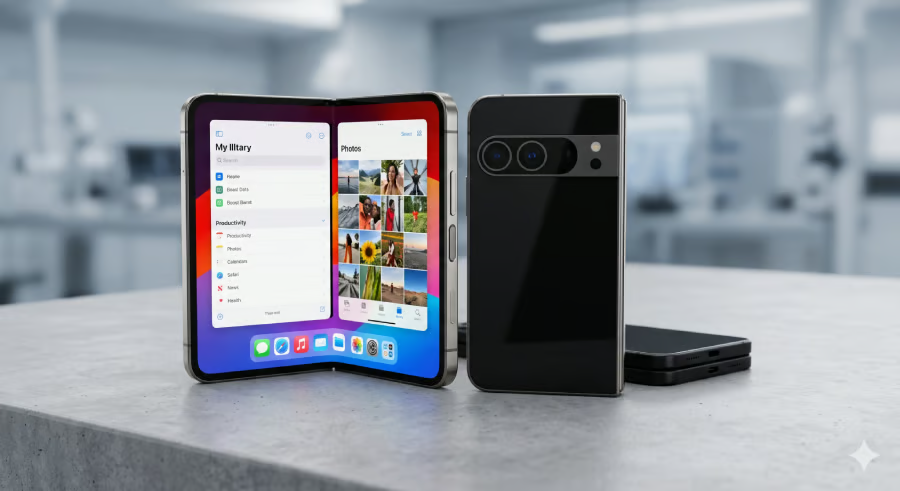
Even camera features (27%) and screen size (22%) ranked significantly higher than AI. Ironically, the focus on making phones thinner or offering new colors — strategies Apple has recently focused on with iPhone Air leaks — did not resonate much with users, raising questions about how well corporate vision aligns with the real needs of the street.
A $2,000 Foldable iPhone… Who Will Buy It?
For Apple’s audience specifically, the interest in foldable phones was slightly higher (14%). With the upcoming launch of the iPhone 18 Pro, which may be accompanied by the first appearance of a foldable iPhone with an estimated price of up to $2,000, it seems the task will be difficult. If interest is weak and the product is not yet tangible, what will happen when the user is confronted with an astronomical price?
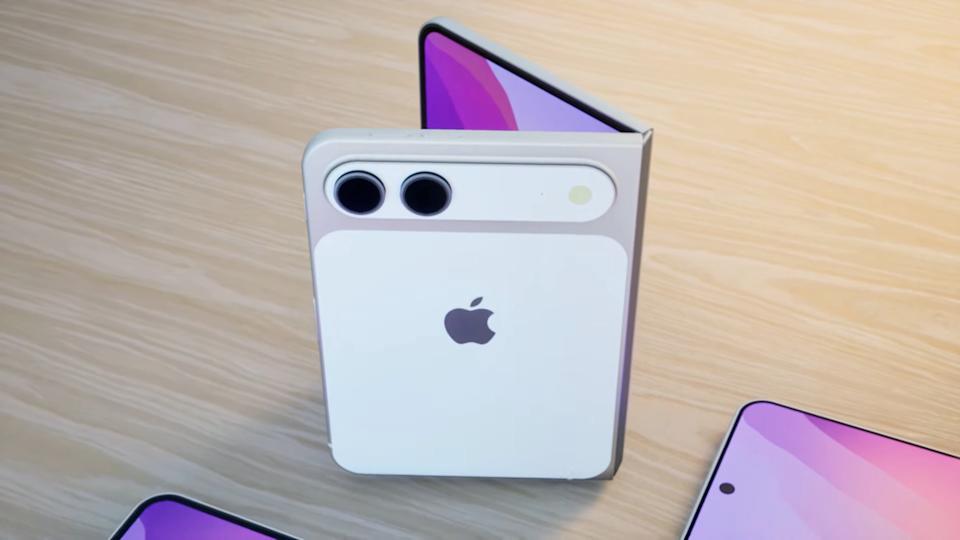
Reports indicate that the smooth availability of these phones may not happen before 2027, giving Apple extra time to convince us that we desperately need to fold our phones. Until then, it seems the user will stick with their traditional phone, as long as its battery lasts a full day and its storage holds thousands of photos, without the need for an AI to tell them what they already know.
Source:


Leave a Reply