In April 2026, Apple shook the tech world by announcing that Tim Cook would be stepping down as CEO, passing the torch in September 2026 to John Ternus, the company’s former head of hardware engineering. However, Cook will not be leaving the Apple scene entirely; he will remain as Chairman of the Board to maintain his contribution to long-term strategic directions. Over the 15 years Cook spent leading Apple after the departure of the legendary founder Steve Jobs, the company underwent radical transformations that completely changed its profile, successfully transitioning it from a beloved tech hardware maker to a financial giant that reached a market value of $4 trillion in October 2025. Let us dive together into the 10 most prominent historical changes that changed the face of Apple during the Tim Cook era.
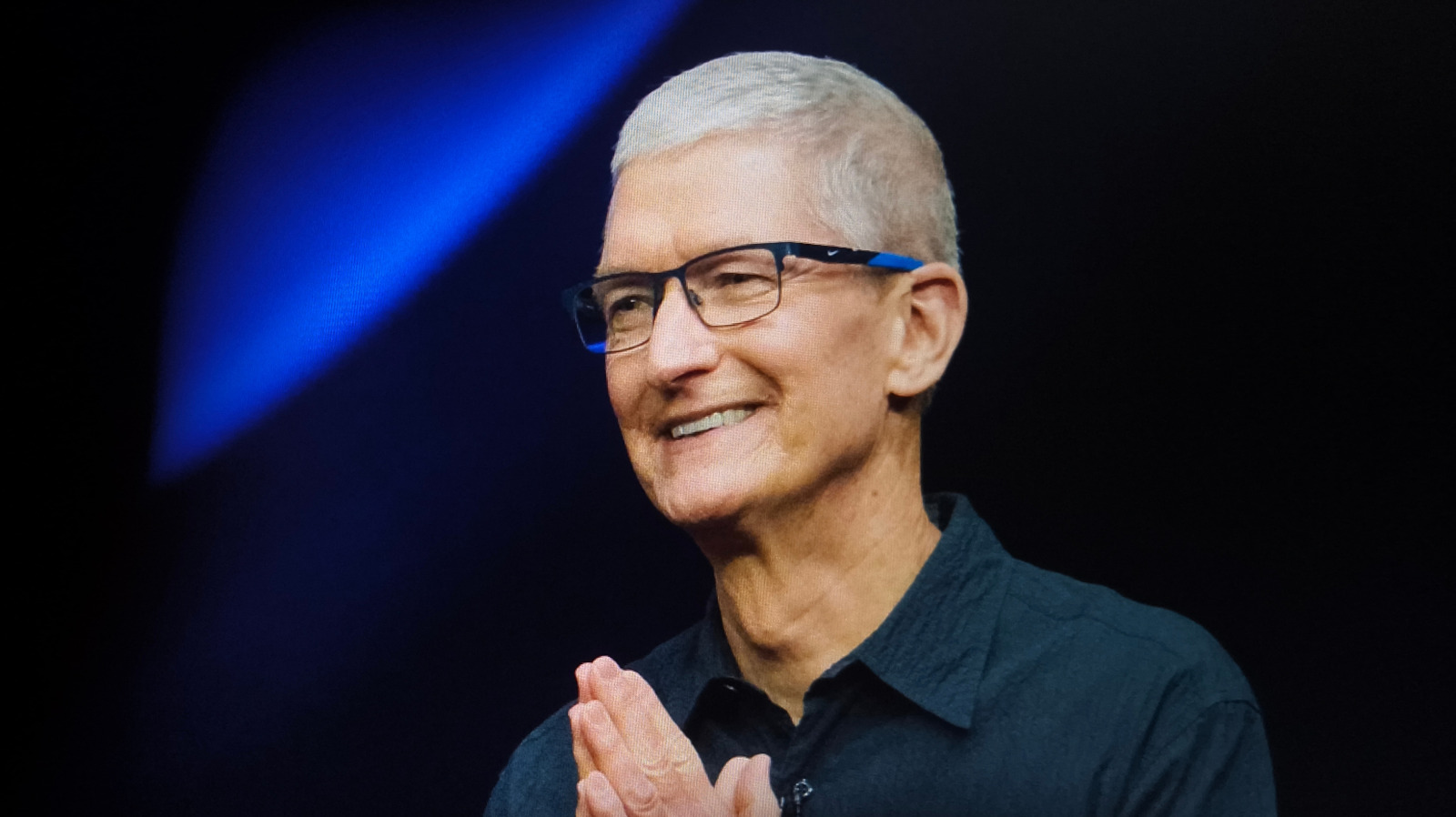
1. Apple Silicon processors end the Intel era and create glory for the Mac
In 2020, Tim Cook made one of the boldest strategic decisions in Apple’s modern history by completely phasing out Intel processors and switching to internally designed Apple Silicon chips based on the ARM architecture. This transition was not just a routine change, but an astronomical upgrade that enabled MacBooks to borrow the flexibility and processing power of iPhones and iPads to crush competitors in performance and energy efficiency.
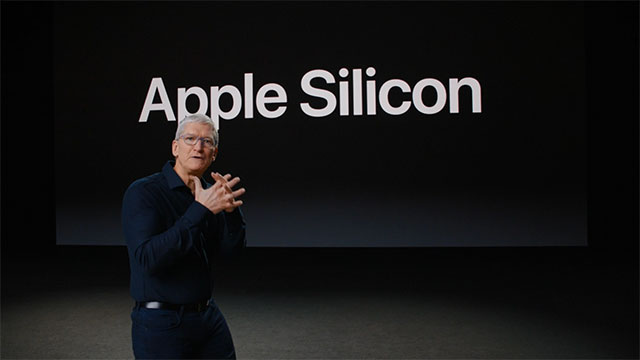
Thanks to M1 processors up to the M5, MacBooks and Mac minis have proven an extraordinary ability to save energy and resist heat even under the heaviest creative and office workloads. Surprisingly, MacBook Pro devices equipped with M1 chips still offer impressive performance years after their launch, proving that Tim Cook’s vision for hardware independence was in the interest of both the user and the company.
2. Independence in iPhone modem production and dispensing with Qualcomm
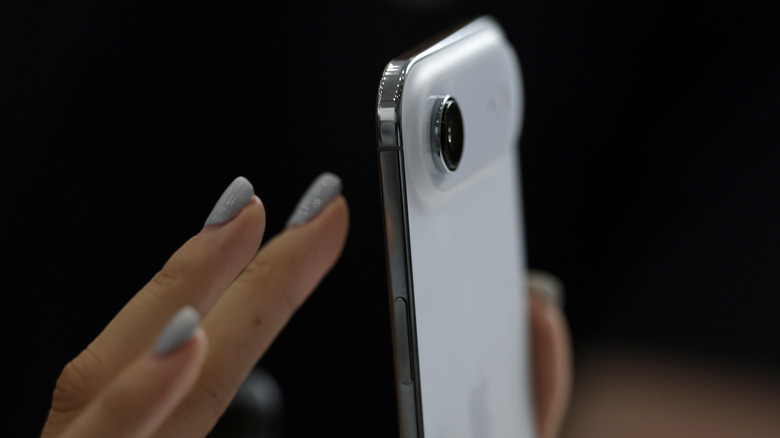
Under Cook’s strategic guidance, Apple fought a silent but decisive battle to produce its own 5G modem to end its total reliance on Qualcomm. The first steps of this long path began with the unveiling of the C1 modem integrated into the iPhone 16e, followed by the newer C1X modem that appeared in the exceptional iPhone Air.
Although current flagship versions like the iPhone 17, iPhone 17 Pro, and iPhone 17 Pro Max still rely on Qualcomm chips, this shift paves the way for Apple’s full independence soon. This development will ensure improved cellular network stability, reduced battery consumption for internet connectivity tasks, and the provision of seamless satellite connectivity features without the constraints of external designs.
3. Entirely new product categories that defined the last decade
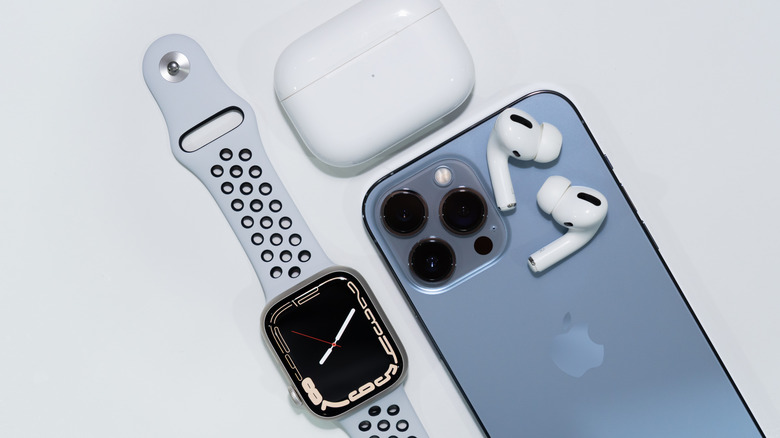
Although iPhones remain the cornerstone of Apple’s profits, Cook succeeded in launching entirely new product categories that established an integrated ecosystem indispensable to users, represented by the Apple Watch, AirPods, AirTag trackers, and recently, the revolutionary Vision Pro mixed reality headset.
The Apple Watch (including the Apple Watch Series 11 and Apple Watch Ultra 3) has transformed from a stylish tech accessory into a certified health device that saves lives daily thanks to fall detection, ECG, and car crash sensors. AirPods have also become the most popular headphones globally with noise cancellation and live translation capabilities, while the Vision Pro headset reflects Apple’s strong bet on the era of spatial computing and mixed reality.
4. Introducing a truly budget MacBook for the first time
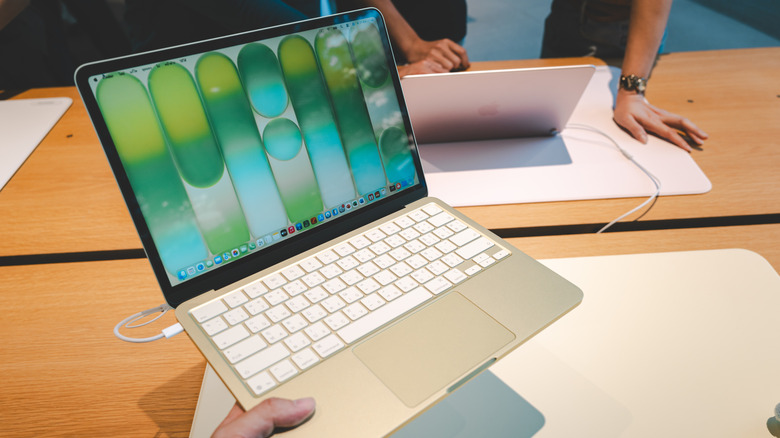
Apple’s name has always been associated with luxury, high-priced products, but Tim Cook decided to break this dominance very intelligently by launching the MacBook Neo in 2026 at a price starting at just $599 (with an additional generous discount for students), a price hundreds of dollars lower than the usual MacBook Air.
Thanks to being equipped with a processor inspired by the iPhone 16, the MacBook Neo proves in practical reality that it is not a feature-deprived device at all; it offers a crystal-clear screen, a sturdy aluminum chassis, and an amazing battery that lasts a long time, making it the ideal choice for students and budget-conscious users who previously turned to weak Windows or Chromebook devices.
5. The final farewell to the legendary iPod
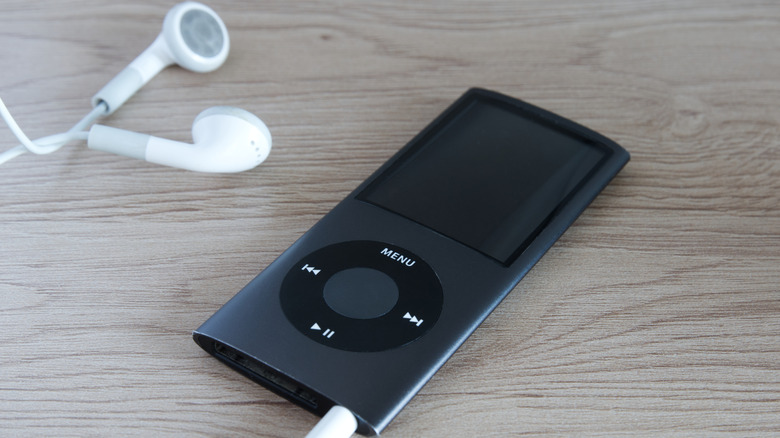
In 2022, Tim Cook made a brave but inevitable decision to discontinue the production of iPods permanently after more than twenty years since its launch as a musical icon that shook the world at the turn of the millennium. This decision confirmed definitively that the iPhone and music streaming services like Apple Music had completely devoured the need for an independent music device.
Despite the overwhelming feelings of nostalgia associated with the device and its classic click wheel, the continuous decline in sales and the difficulty of manufacturing logistics forced this strict administrative decision. Today, nostalgia lovers can only acquire classic iPod Touch devices from the used market to keep a piece of digital music history.
6. Apple TV becomes a serious player in the streaming and entertainment industry
Before Tim Cook, the consumption of Apple visuals was limited to renting and buying movies via the classic iTunes Store. But in 2019, the company launched the Apple TV platform as a promising streaming service that adopted a “quality over quantity” strategy by producing and developing massive exclusive series and movies with huge budgets.
Thanks to distinguished productions and series that gained overwhelming popularity and international awards, as well as the smooth user experience and clean interface of the Apple TV app, which is amazingly integrated with the Apple TV home device, Tim Cook managed to insert Apple into the heart of the home entertainment battle alongside giants like Netflix and Disney with remarkable success.
7. Ditching live events and adopting cinematically recorded presentations
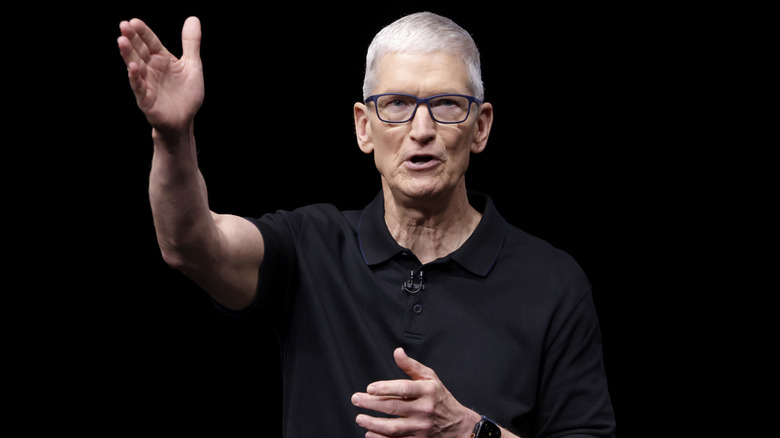
The Steve Jobs era and the early years of Tim Cook were famous for exciting live press conferences, but they were always prone to technical issues and live stage confusion. With the pandemic conditions in 2020, Apple seized the opportunity to innovate the style of cinematically recorded and carefully edited shows from within its headquarters.
This new style has become the hallmark of all Apple tech events today; it removes the risks of sudden errors, provides stunning visual presentations with high precision in the shortest possible time, and spares executives the anxiety of standing live in front of an audience. It remains to be seen whether John Ternus will revive the classic live conferences or maintain Tim Cook’s cinematically disciplined legacy.
8. Apple devices become eco-friendly and rely on amazing material recycling
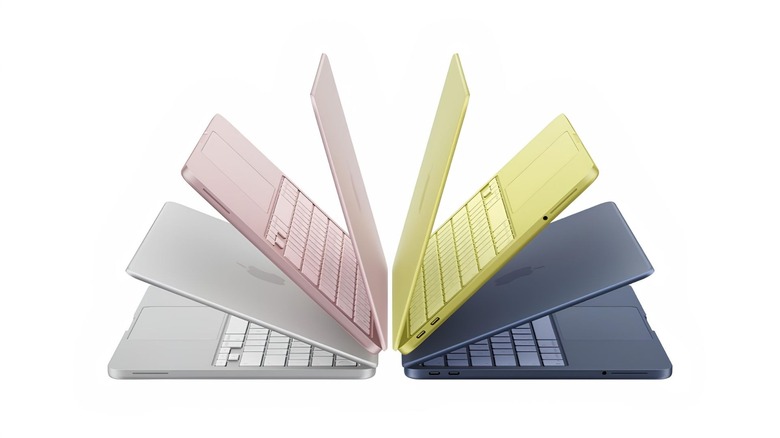
Tim Cook established the principle of sustainability as a core strategic goal in Apple’s manufacturing policy. By 2025, 30% of the materials used in manufacturing new Apple products were derived from fully recycled materials, with the complete elimination of plastic packaging for devices and reliance on easily recyclable paper fibers.
This environmental commitment was clearly reflected in the new MacBook Neo, whose sturdy chassis consists of 60% recycled aluminum by total weight, while its battery contains 100% recycled cobalt and 95% recycled lithium. This amazing shift made the device have the lowest carbon footprint in the history of Apple products without sacrificing the luxury and quality characteristic of the company’s hardware.
9. Apple transforms from a successful company into a $4 trillion financial giant
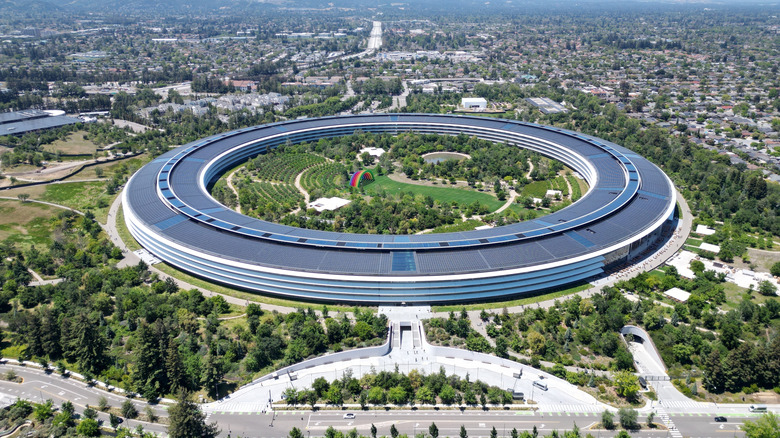
Apple’s commercial growth under Cook’s leadership was astronomical by all standards; when he took over as CEO in 2011, Apple’s market value was only about $350 billion. But thanks to his strict financial management and brilliant logistical vision, the company broke the trillion-dollar barrier as the first public company in 2018, and the momentum continued until the value doubled to reach the imaginary $4 trillion barrier in 2026.
The greatest credit for these record numbers goes to the iPhone sitting on the throne of global sales to defeat Samsung’s long dominance in 2023, in addition to the launch of the Apple Watch, which dominates the smartwatch sector to this day, alongside the cumulative multi-billion profits and continuous financial flows resulting from sales of the services and recurring subscription sector such as iCloud and Apple Music.
10. A historic $600 billion investment to secure supply chains within America
In 2025, Tim Cook launched a pledge to inject $600 billion into the American economy over four years with the aim of stimulating local investments and building an integrated and independent manufacturing infrastructure within the United States instead of absolute reliance on external supply and manufacturing lines in Asia.
This plan began to bear fruit quickly through the establishment of factories and the provision of thousands of technical jobs; Apple is cooperating with Corning to produce advanced glass for iPhone and Apple Watch screens in Kentucky, in addition to expanding advanced factories in Texas and Arizona for 2026 and beyond. This smart approach not only benefits the local economy but also gives Apple complete immunity for its supply lines against sudden geopolitical crises in the future.
Source:
Leave a Reply