With every major iOS update, Apple strives to introduce new features that enhance the value and quality of its popular AirPods. In the upcoming iOS 27 update, upgrades will not be limited to the iPhone’s internal system; they will extend to provide AirPods with advanced AI capabilities via Siri, and a feature that audio enthusiasts have waited years for: the long-awaited Custom EQ.
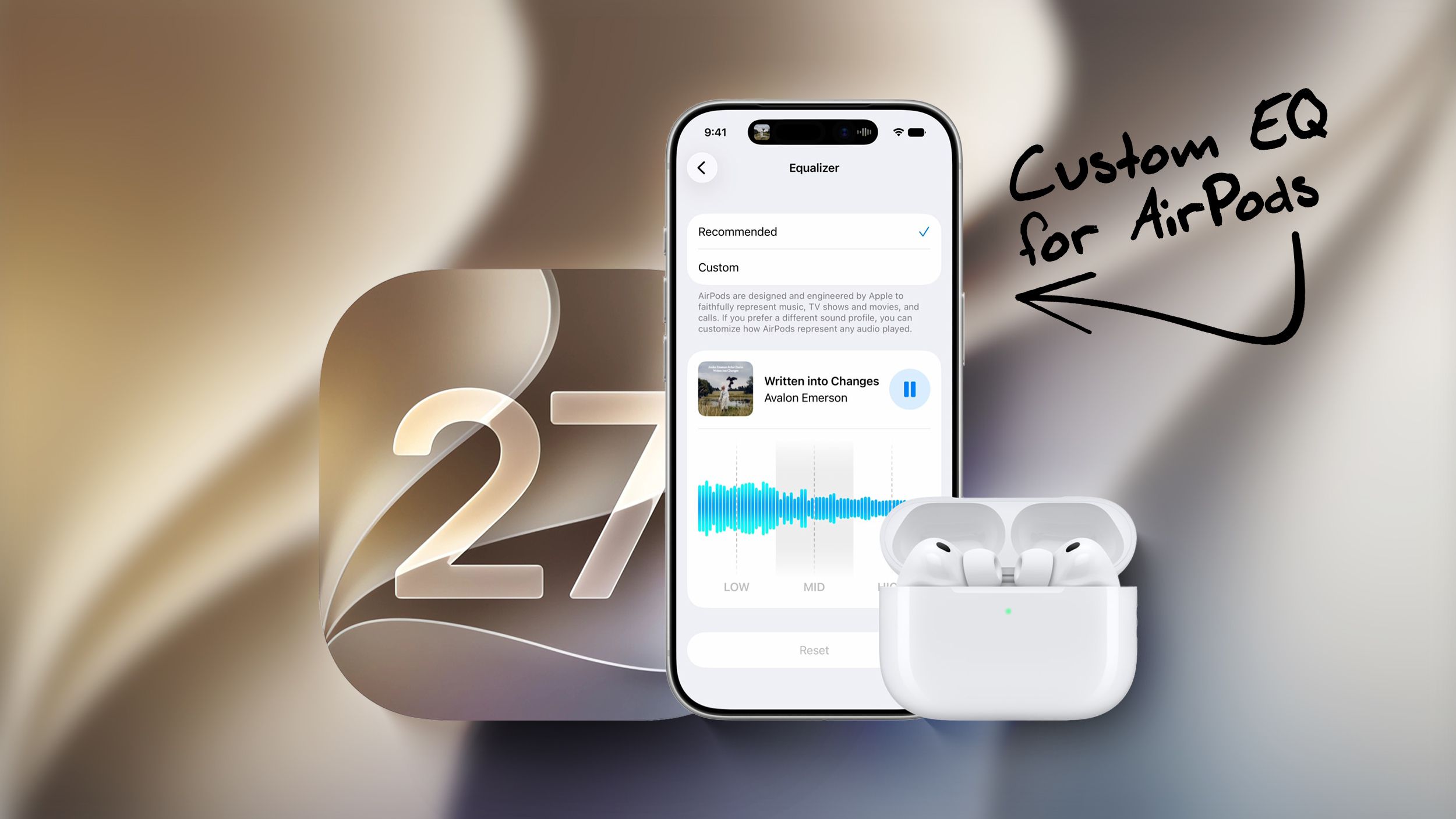
Custom EQ: Finally, Apple!
For many years, Apple resisted user requests for a manual, custom equalizer for AirPods, preferring to force everyone to stick to the default audio profiles predefined by the company. However, this stubbornness officially ends with the iOS 27 update, as Apple will finally introduce custom EQ settings that allow you to take full control of your listening experience with precision and professionalism.
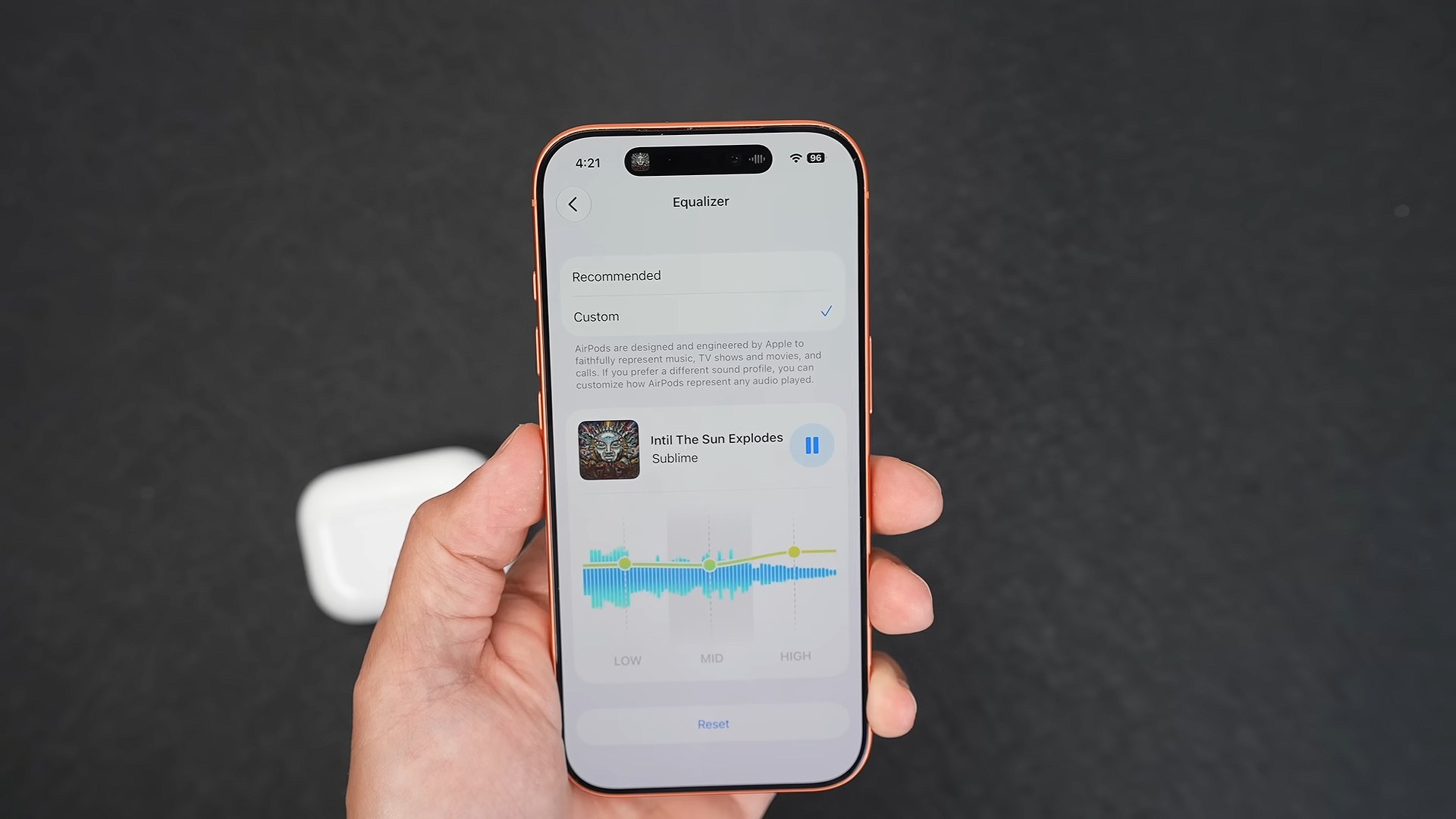
When connecting your compatible AirPods to an iPhone running iOS 27 with the latest firmware, you can access this feature by going to Settings, tapping on your AirPods name, then selecting Audio & Routing, followed by Equalizer, and enabling the Custom option. This new interface gives you the ability to adjust Lows, Mids, and Highs to perfectly suit your personal preferences.
It is worth noting that the Custom EQ feature requires the H2 chip inside the earbuds, meaning it will be available to users of AirPods Pro 2, the upcoming AirPods Pro 3, AirPods 4, and the premium AirPods Max 2 headphones.
Redesigned Settings menu and easier access
Apple didn’t just add new audio features; it completely redesigned the AirPods settings interface to be more concise and organized when connected to an iPhone. Although the menu remains in its old location within the Settings app, the features are now arranged in a way that makes them easy to access without tedious searching.
At the top of the screen, you will still be able to quickly toggle between Noise Cancellation, Transparency, and Adaptive Audio modes, but Apple has added a dedicated volume slider next to them to control the level directly from the same interface. Instead of long, sprawling menus for controlling hearing health and gestures, options have been logically grouped under specific categories including: Audio & Routing, Hearing Health, Controls & Gestures, Live Caption, Accessibility, Battery, Find My, and Privacy.
AI-powered Siri on your earbuds
With the arrival of AI on the iPhone, this intelligence will reflect directly on your AirPods experience. While wearing your earbuds, you will be able to ask complex questions to the intelligent Siri and issue smart voice commands seamlessly without needing to take your phone out of your pocket.
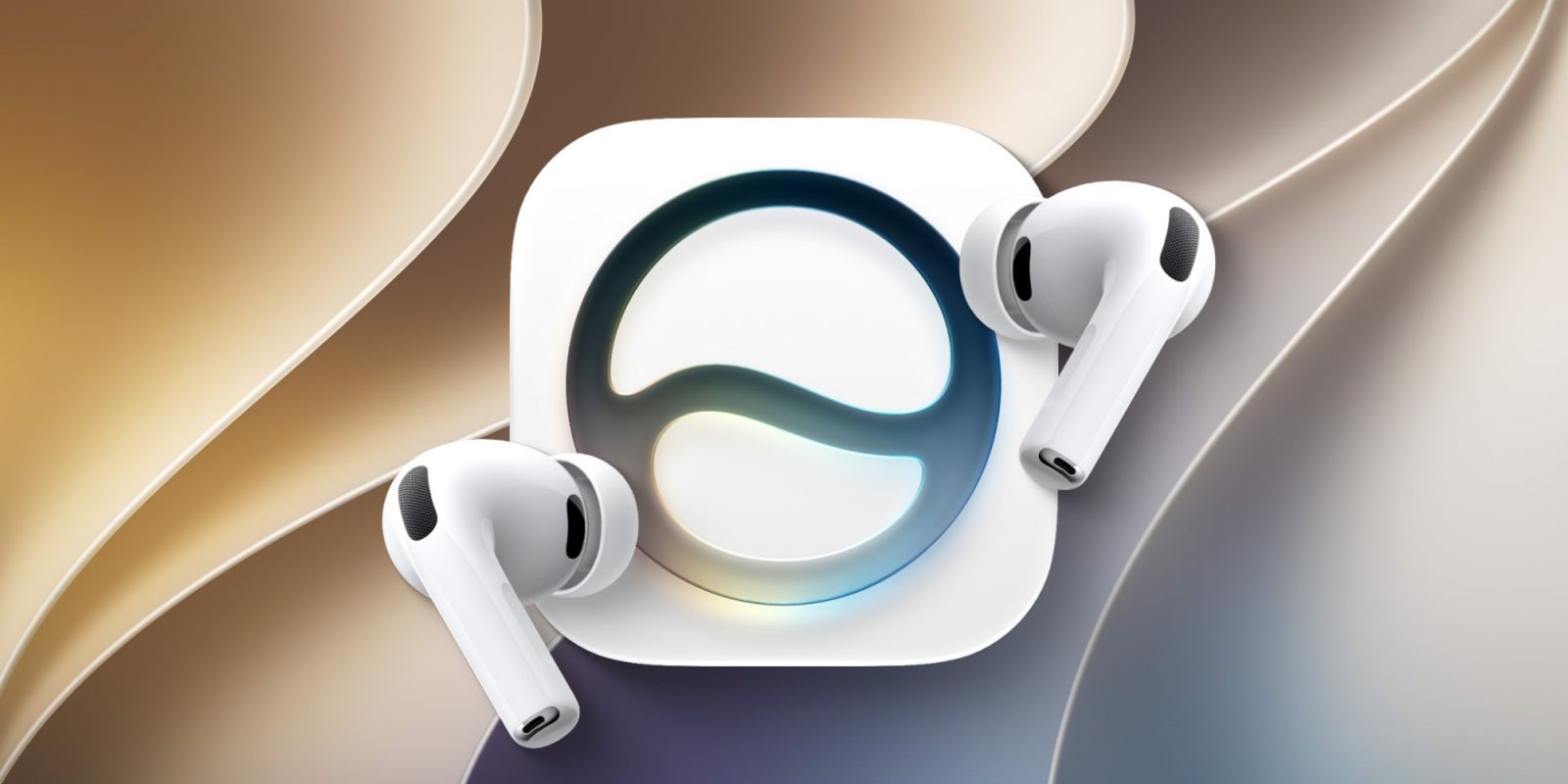
The feature is, of course, not independent within the earbuds; it relies entirely on the power of the connected iPhone, which requires you to own an iPhone that supports Apple’s AI features. This step serves as a precursor to Apple’s future plans, as rumors suggest the company is working on developing AirPods equipped with built-in cameras capable of feeding visual data to Siri, making current features just an introduction to a deeper and more revolutionary integration in the near future.
Exclusive features for AirPods Pro 3 and innovative technologies
The AirPods Pro 3 received the lion’s share of exclusive features thanks to advanced hardware; its charging case comes equipped with an Ultra Wideband chip. With the iOS 27 and watchOS 27 updates, you will finally be able to use your Apple Watch to locate the charging case with extreme precision via the Precision Finding feature.

In addition, Apple introduces the innovative GymKit sync feature with the iPhone in iOS 27, which allows AirPods Pro 3 to transmit heart rate data it monitors directly to compatible gym equipment, such as treadmills and indoor bikes, giving athletes live and more accurate readings of their physical fitness during workouts.
Apple did not overlook accessibility, adding a Name Recognition feature in the iOS 27 update. This feature is designed to assist the deaf and hard of hearing, as the earbuds alert the user as soon as someone says their name aloud. The feature works in integration with hearing health options and supports over 50 languages worldwide.
Compatibility and official release date
The requirements for the new features vary; some, like Custom EQ, require the H2 chip, while using smart Siri requires an iPhone compatible with AI. As for Precision Finding via the watch and GymKit sync, they are exclusive to the upcoming AirPods Pro 3.
These features are currently available to developers as a beta version, and Apple plans to release the public beta in July, with the official update to be released to everyone this coming September in conjunction with the announcement of the new iPhone models.
Source:


Leave a Reply