It seems that Apple has decided to unexpectedly deviate from its usual processor roadmap. In a bold move aimed at accelerating the development of artificial intelligence technologies, the latest reports indicate that Apple will skip the high-performance versions of the upcoming M6 chip to jump directly to the next generation with the M7 processor family, specifically designed for AI.
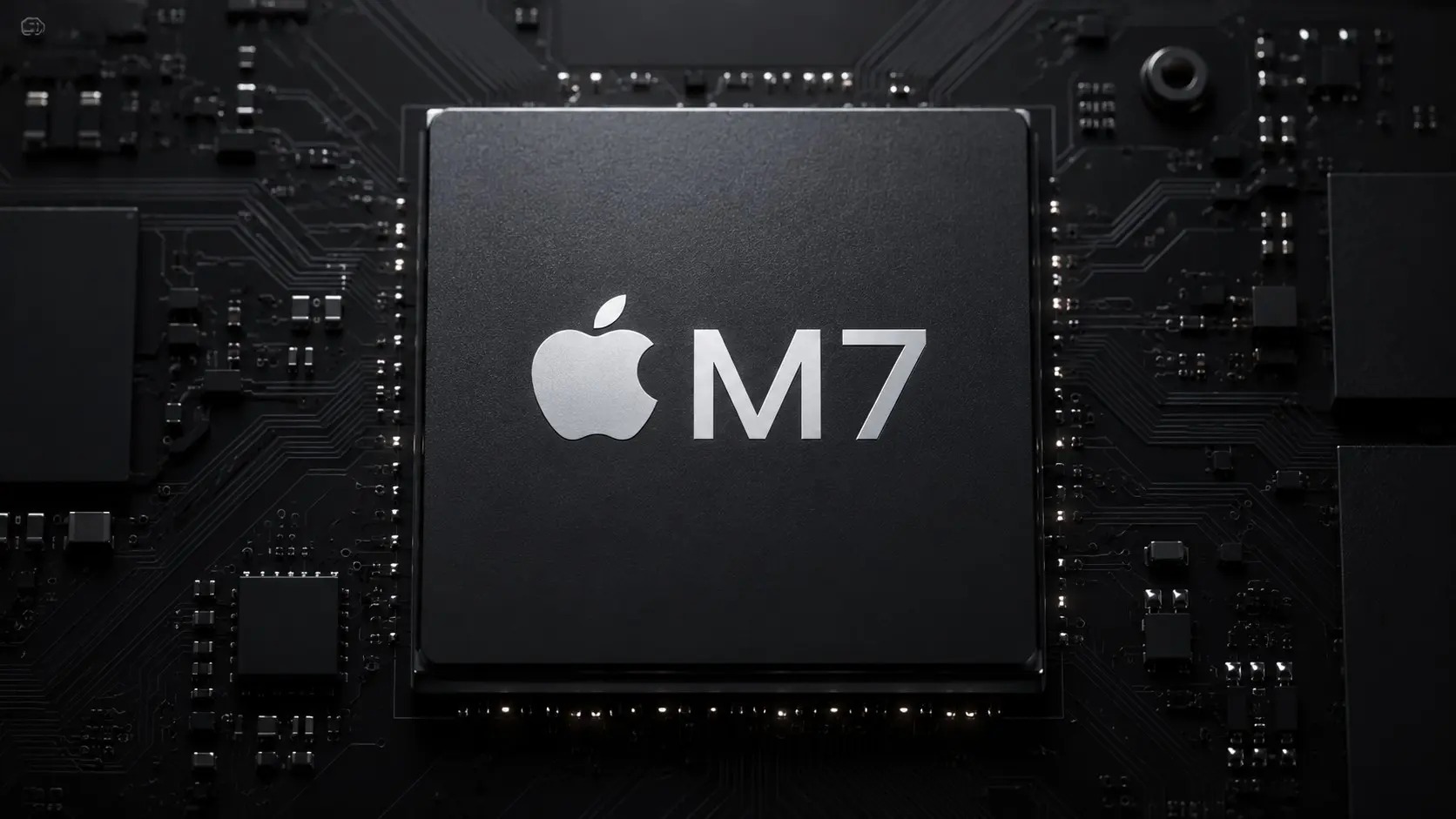
Apple skips M6 Pro and Max chips entirely
According to a new report published by renowned journalist Mark Gurman of Bloomberg, Apple plans to launch the base M6 chip (codenamed Komodo) later this year for entry-level devices like the base MacBook Pro. However, unlike previous processor generations from M1 to M5, we will not see M6 Pro or M6 Max chips. Instead, Apple will jump directly to the M7 Pro and M7 Max, slated for release in 2027, to be followed by the super-powered M7 Ultra chip in 2028.
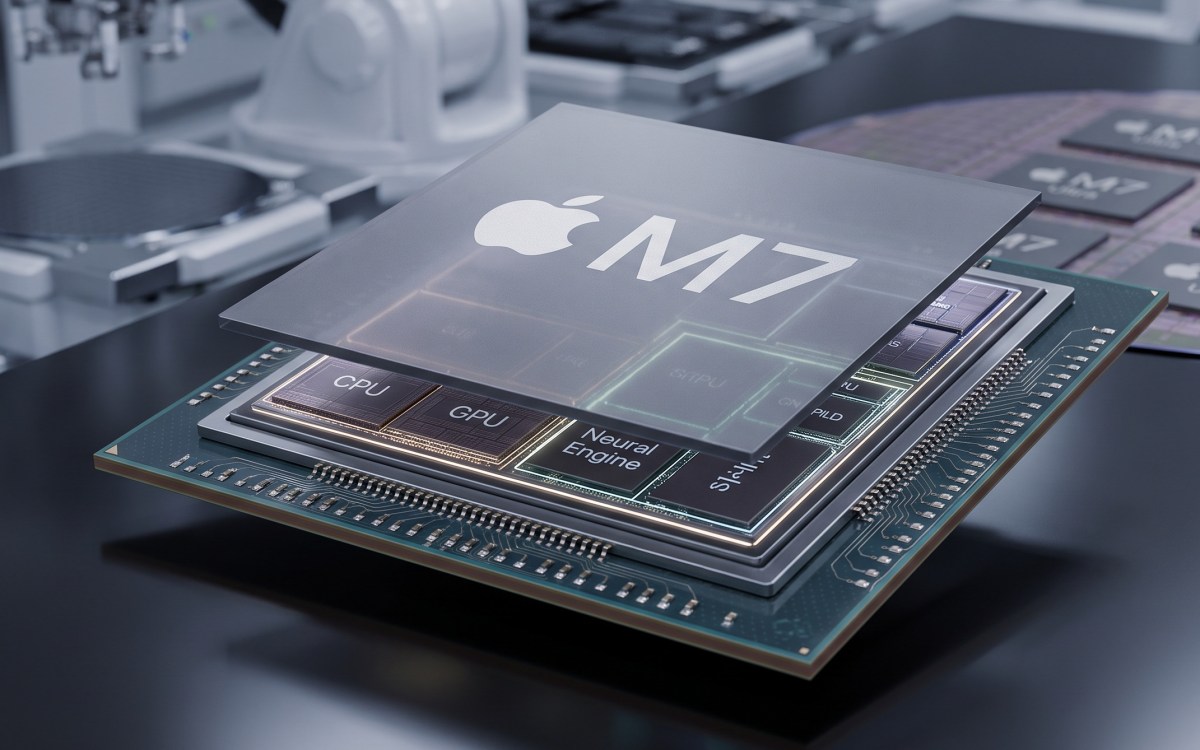
This decision allows Apple to accelerate the introduction of technologies it had planned to delay, with the primary goal of keeping pace with the massive and growing demand for on-device AI processing and providing more powerful graphics performance capable of meeting modern requirements.
What will the base M6 chip offer?
Despite the cancellation of its professional versions, the base M6 chip will represent a notable upgrade compared to the M5 chip. Leaks suggest that memory bandwidth will increase to about 200 GB/s, compared to 153 GB/s in the previous generation. These specifications play a crucial role in accelerating AI tasks that rely heavily on moving massive amounts of data at high speeds.

Additionally, Apple has redesigned the GPU, testing versions with up to 12 graphics cores compared to the 10 cores in the M5 chip, to handle graphics tasks and AI processing more efficiently. The processor will also receive an upgraded Neural Engine and powerful improvements in video encoding and decoding.
The M7 processor family takes the lead
Apple plans to introduce the base M7 chip in the first half of 2026, followed by the “Pro” and “Max” versions in late 2027. The entire M7 processor family will focus on making a revolutionary leap in AI processing.
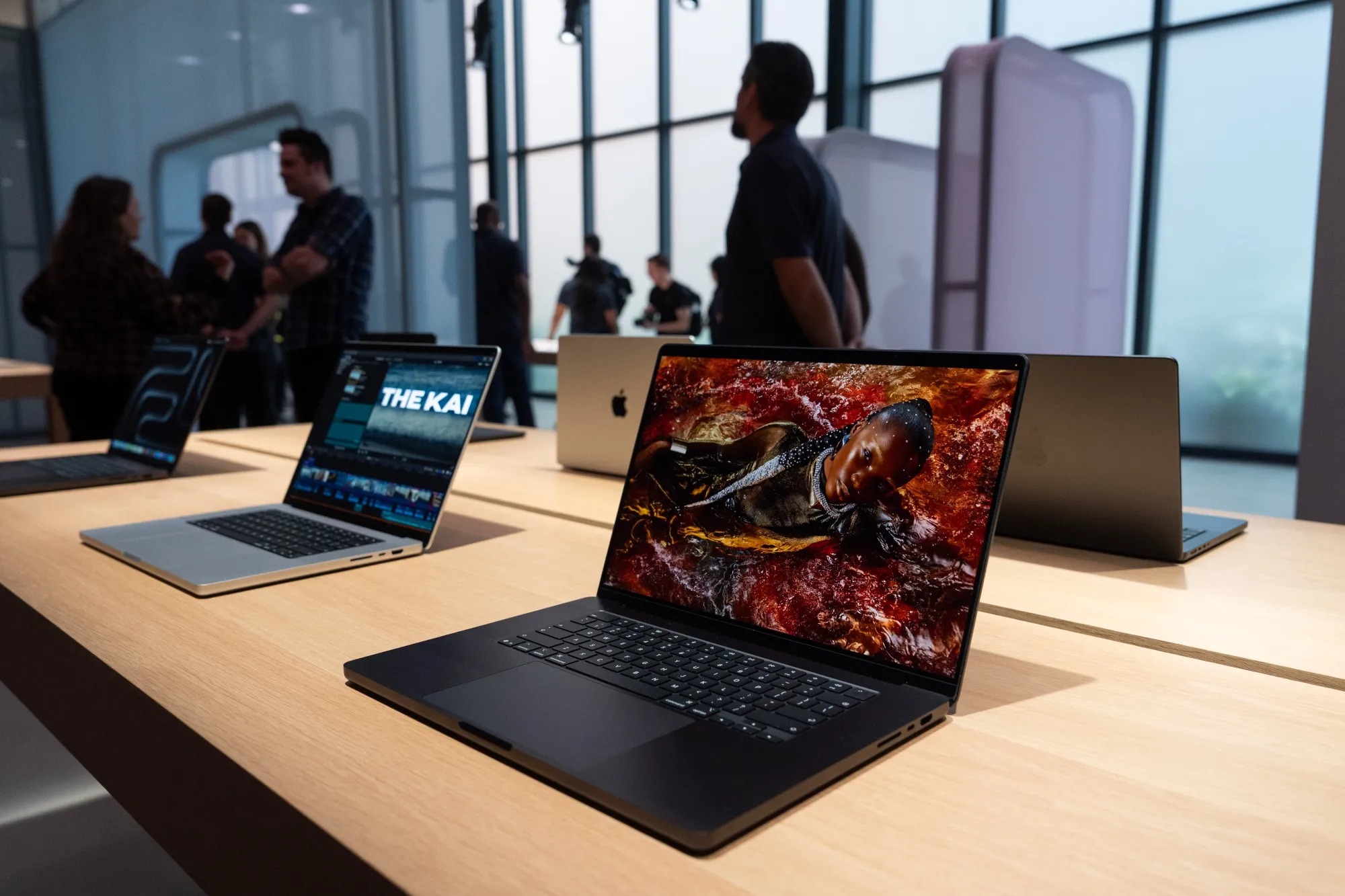
Even the base M7 chip alone will target memory bandwidth of about 240 GB/s, representing another massive leap that even outperforms the upcoming M6 chip.
A final stop before the great leap: The M5 Ultra chip
Before this new plan goes into full effect, Apple still plans to launch the M5 Ultra, the most powerful chip in its current generation, as part of the new and updated Mac Studio.
Reports indicate that the chip will feature about 36 CPU cores and 80 GPU cores, making it one of the most powerful processors in any personal computer on the market. Apple has already tested configurations supporting up to 768 GB of unified memory, though ongoing chip and memory shortages in global markets may affect final specifications and launch dates.
What does this shift mean for Mac users?
For professionals and creators who rely on Mac Studio or MacBook Pro devices for demanding tasks like 3D video editing, rendering, and training machine learning models, this simply means they will wait longer for a new “Pro” or “Max” chip upgrade. The M5 Pro and M5 Max chips will remain the most powerful options available on the market for a longer period until the arrival of the M7 generation.

However, the positive side is that when Apple finally releases those chips, they will represent a giant technological leap rather than just a traditional, boring incremental upgrade. This shift also reflects the economic pressures facing Apple and the entire industry, as severe component shortages have driven up costs and constrained supply chains, forcing the company to rethink its timelines and long-term plans.
Source:



Leave a Reply