
The Declining Influence of the Legendary Design Studio
During the Steve Jobs era, Jony Ive and his team at the Industrial Design Studio were the uncrowned kings of Cupertino. Their desires and ideas were the primary engine of the development process, and engineers and logistics officials had to adapt to their artistic vision no matter how difficult it was. However, as the famous journalist Mark Gurman reveals, this dynamic has changed completely in recent years.

Today, the industrial design team no longer has a real seat at the major decision-making table at Apple. The team has lost much of its historical influence and credibility, turning into a department that executes ideas rather than generating them. Even Evans Hankey, who took over leadership of the division after Ive’s departure in 2019, was not a designer in the traditional sense but a developer, and she did not possess the weight her predecessor enjoyed within Apple’s inner circle of decision-makers.
John Ternus: The Product Man Restoring the Passion
The real glimmer of hope lies in the personality of John Ternus, Apple’s head of hardware engineering. Unlike Tim Cook, who is known for his genius in managing logistics and supply chains, Ternus is a “product man” first and foremost. Reports indicate that he spends long hours inside the industrial design studios and is personally interested in restoring the influence and importance of this sensitive department.

This personal interest opens the door to an entirely new design language, especially with the massive development in artificial intelligence technologies (Apple Intelligence) and cloud data processing. This evolution allows Apple to reduce physical components inside devices and rely on the cloud, giving designers unprecedented freedom to create ultra-thin and lightweight devices, such as the upcoming slim iPhones and the foldable iPhone.
The Anticipated Roadmap for Apple Products
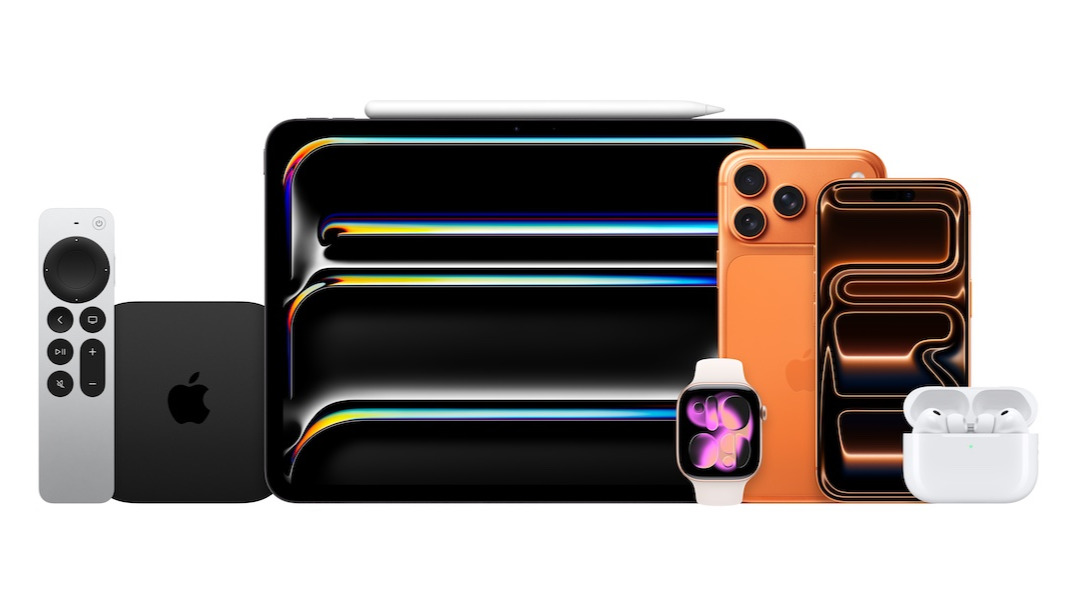
Based on leaks and internal plans, it seems Apple’s release schedule for the coming years is full of surprises that will mean a return to focusing on revolutionary design and engineering boldness:
Fall 2026:
-
📱 iPhone 18 Pro and iPhone 18 Pro Max (with larger cameras).
-
📱 Foldable iPhone (known as iPhone Ultra) with an ultra-thin design.
-
⌚ Apple Watch Series 12 and Apple Watch Ultra 4.
-
💻 All-new Mac devices with ultra-powerful processors.
-
📱 New budget-friendly iPad supporting full Apple Intelligence features.
-
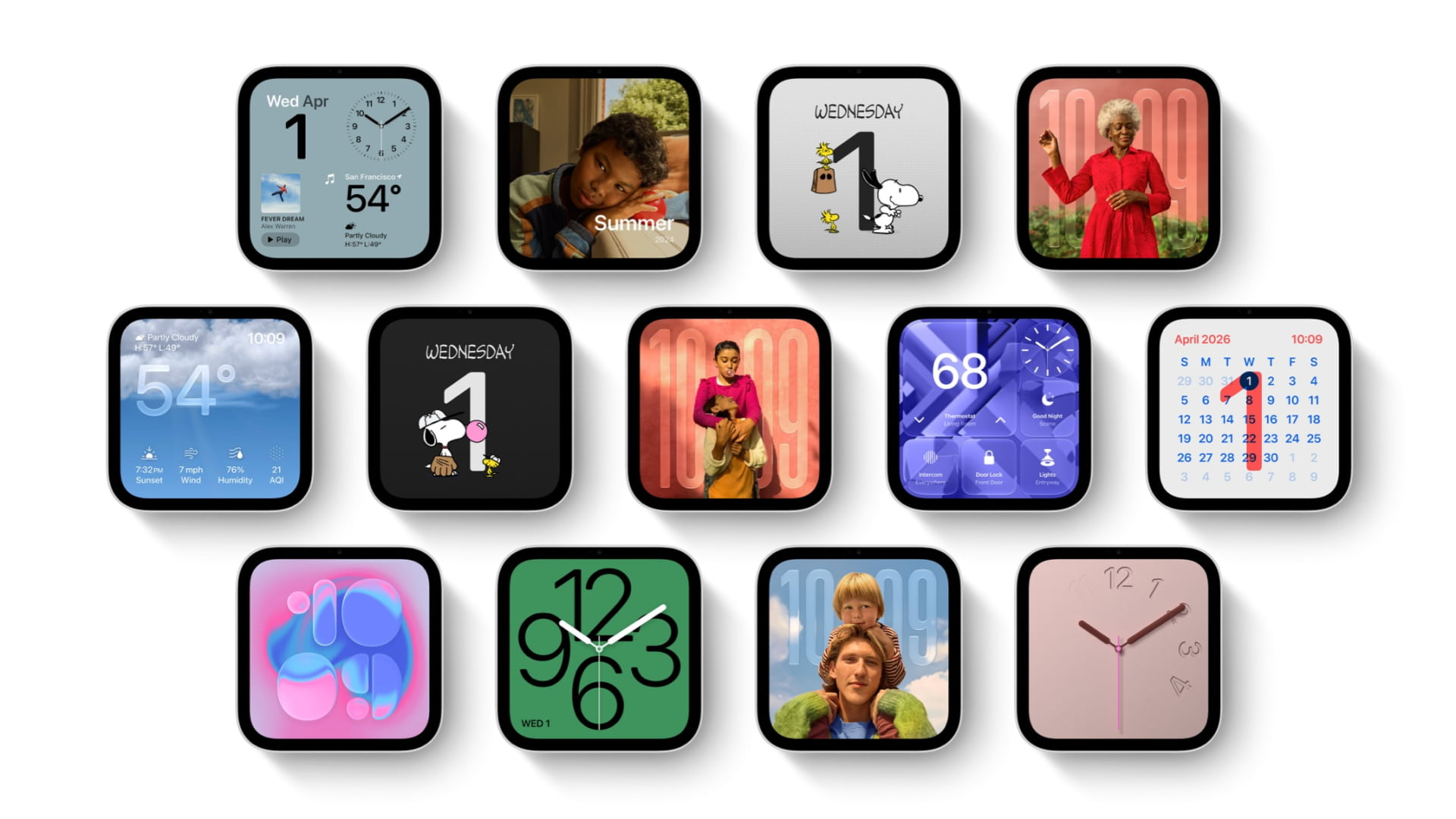
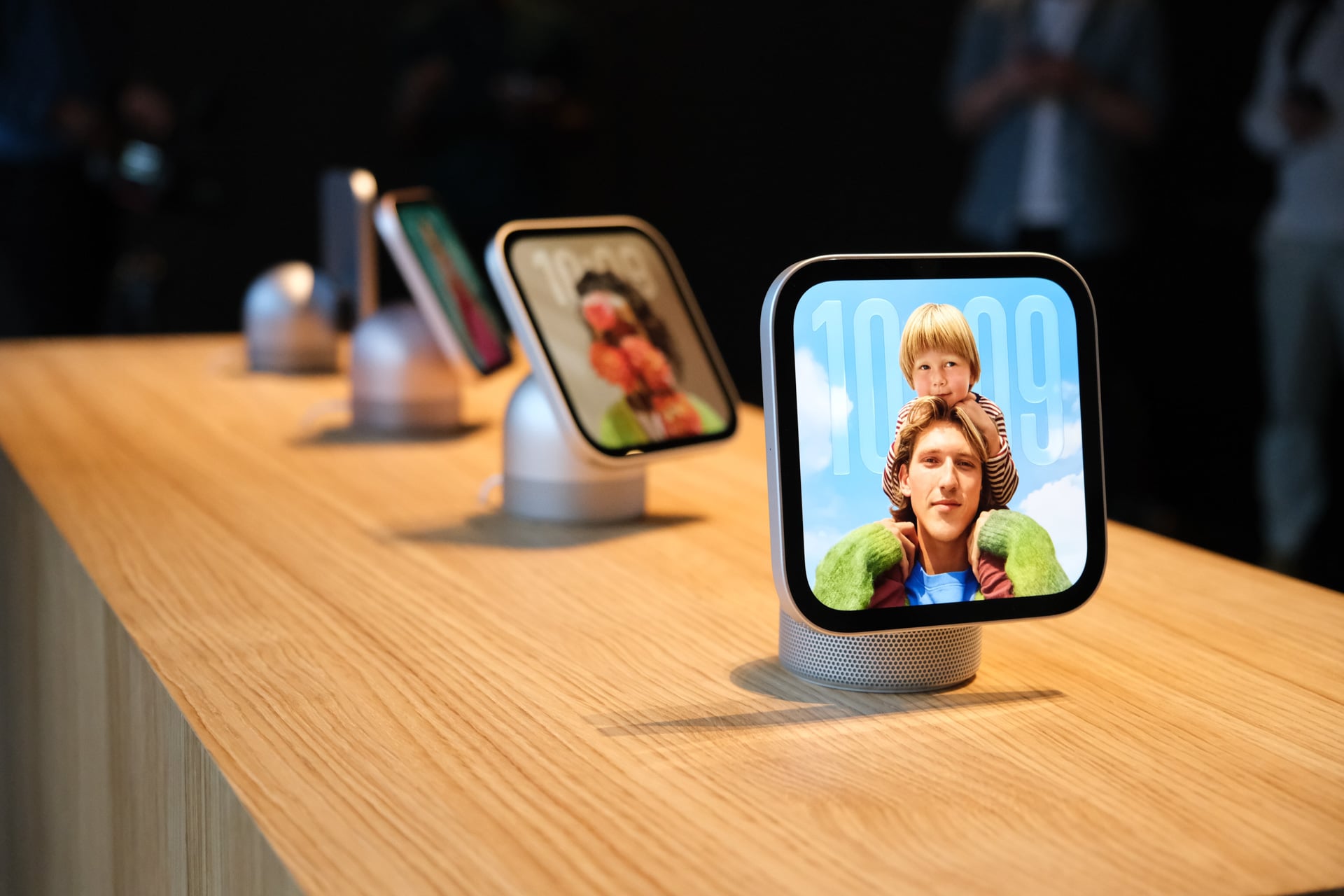
🏠 Smart Home Hub, representing an entirely new product category.
-
📱 iPad mini with a stunning OLED screen.
-
📺 New Apple TV powered by Apple Intelligence.
-
🔊 Updated HomePod mini supporting Apple Intelligence.
Spring 2027:
- 📱 iPhone Air 2 with a thinner and more advanced design.
Fall 2027:
- 📱 iPhone 20 Pro and iPhone 20 Pro Max (20th-anniversary editions with a revolutionary design and curved-edge screens).
- 📱 Second generation of the foldable iPhone.
- 🎧 AirPods equipped with cameras dedicated to interacting with Siri and artificial intelligence.
- 👓 Apple’s first-of-its-kind smart glasses with advanced augmented reality features.
Late 2027 or 2028:
- 🤖 Interactive home robot with a moving mechanical arm.
- 🥽 New versions of the Vision Pro headset with lower costs and practical designs.
Source:

Leave a Reply