The first reviews for the iPhone 18 Pro and iPhone 18 Pro Max have begun to appear across major tech platforms and YouTube channels, ahead of the devices officially reaching users and Apple stores this Friday. Following the significant design changes seen last year, Apple returns in this generation to solidify a philosophy of incremental improvement; the phone appears almost identical in its exterior appearance to the iPhone 17 Pro, while the actual upgrades are focused internally on processing, battery life, thermal management, and professional camera control. This brings to mind the famous “iPhone S” model years, such as the iPhone 4s, 5s, 6s, and their successors, which focused on refining the experience rather than visual dazzle.
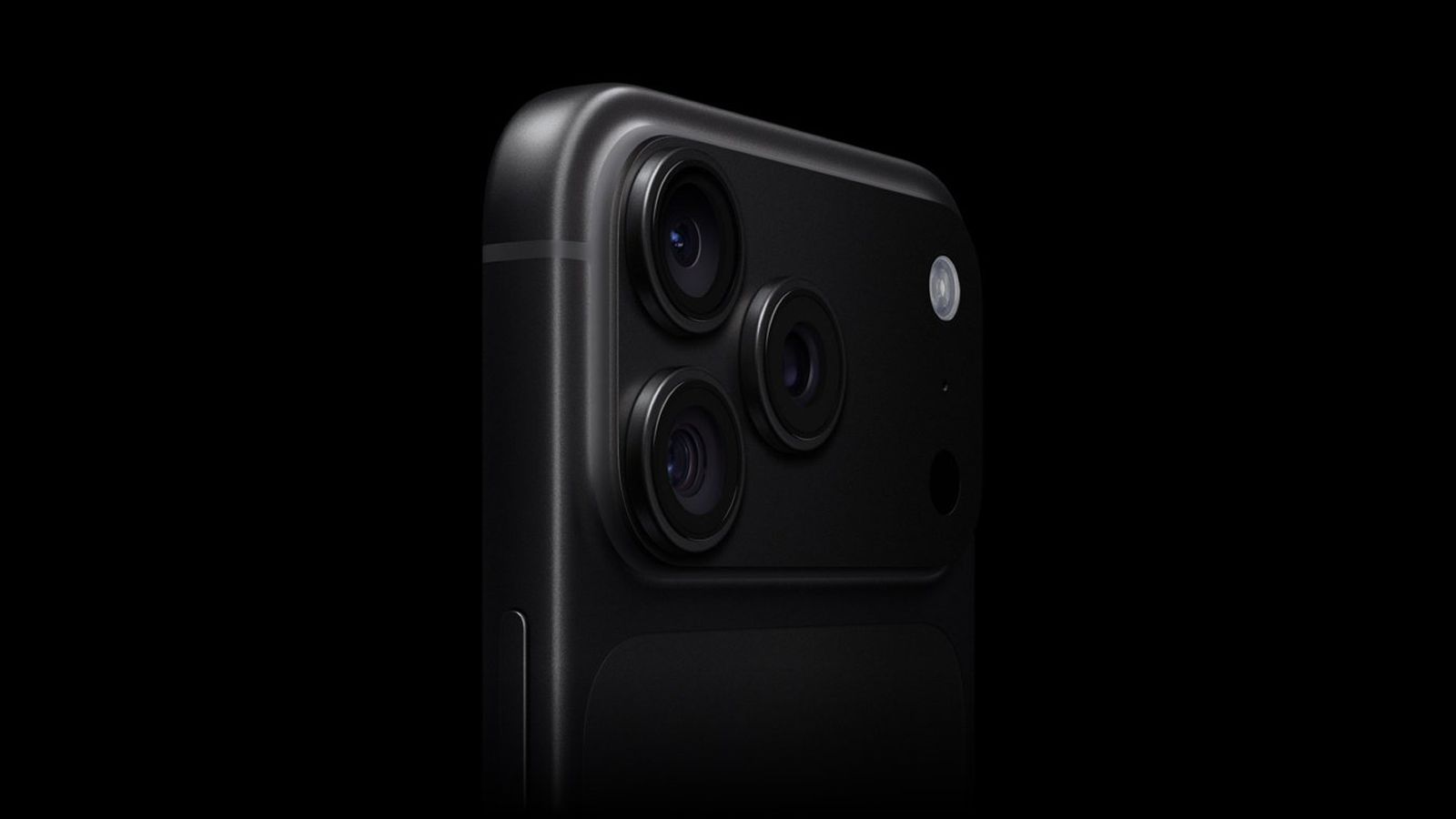
A20 Pro Processor and 3D Cooling System
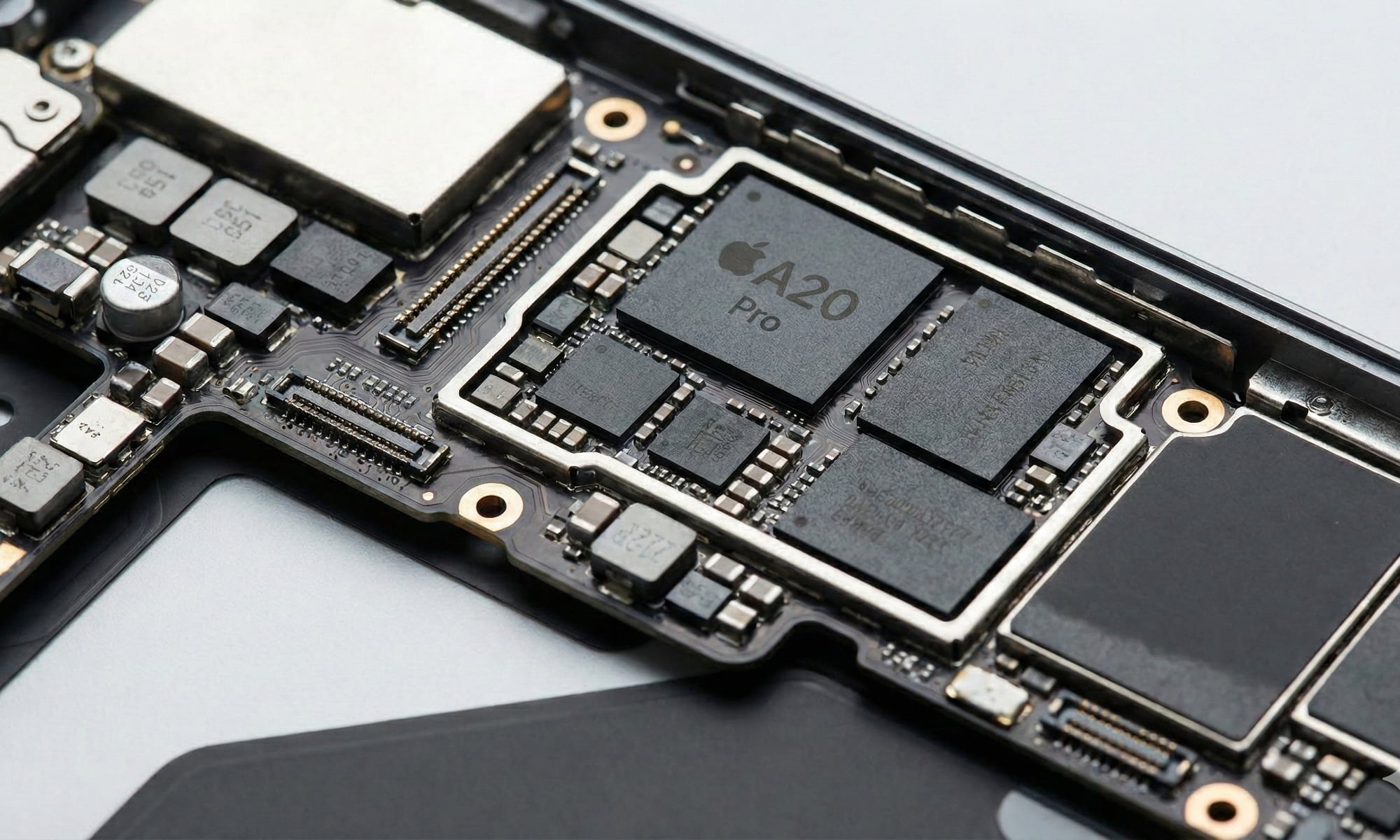
At the heart of the iPhone 18 Pro models beats the new A20 Pro processor, which is the first smartphone processor to be manufactured using the advanced 2nm process. According to Apple, this processor provides a CPU performance boost of up to 20%, while graphics processing speed increases by up to 40% compared to the previous A19 Pro chip.
Practical tests have confirmed these figures; Raymond Wong from Gizmodo conducted Geekbench 7 tests on both generations running iOS 27. The iPhone 18 Pro scored 4,027 points in single-core and 11,540 points in multi-core, clearly outperforming the iPhone 17 Pro’s figures of 3,258 and 9,167 points, which translates to a 24% increase in single-core and 26% in multi-core performance.
To ensure this superior performance continues without thermal throttling, Apple equipped the phone with a cooling system based on a vapor chamber three times larger than its predecessor. Reviewers noted a tangible improvement in heat dissipation; the device did not experience any unusual heating even while shooting 4K video at 60 frames per second in the peak heat of Cupertino.
Longer Battery, Faster Charging, and the New C2 Modem
The battery received its share of improvements, specifically in the iPhone 18 Pro Max model, which achieved a jump of nearly 15% in offline video playback compared to the previous generation. Apple also shortened the fast charging time, with reaching 50% now taking only 15 minutes instead of 20.
In field web browsing tests conducted by Tom’s Guide, the phone continued to excel by adding about half an hour of continuous use. The device results were as follows:
- OnePlus 15: 25 hours and 13 minutes
- iPhone 18 Pro Max: 18 hours and 27 minutes
- iPhone 17 Pro Max: 17 hours and 54 minutes
- Galaxy S26 Ultra: 16 hours and 40 minutes
- iPhone 18 Pro: 16 hours and 17 minutes
- iPhone 17 Pro: 15 hours and 21 minutes
Regarding connectivity, Apple adopted the second-generation C2 cellular modem globally in the iPhone 18 Pro, and in the Pro Max model outside the United States (as Qualcomm continued to supply the US market with the Snapdragon X80 modem). The C2 modem offers significantly better upload speeds while reducing power consumption by 15%, in addition to supporting ultra-fast mmWave networks.
Miniature Dynamic Island Displays 3 Activities
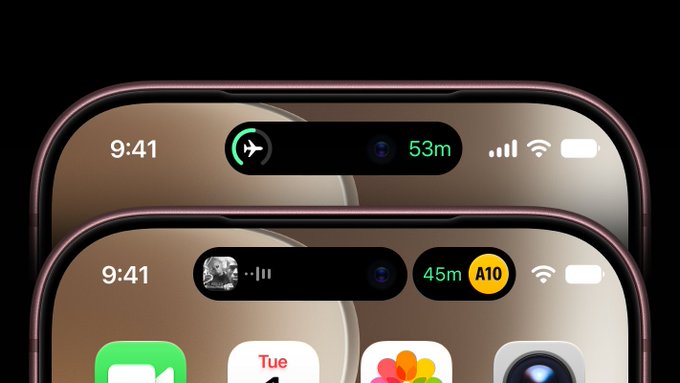
The screen received a geometric adjustment touch, consisting of reducing the dimensions of the Dynamic Island, which allowed the gained space to be utilized to support the display of up to three live activities simultaneously instead of just two.
Chance Miller from 9to5Mac confirmed that the real value of this change lies in the Island’s ability to show more detailed information in the right space when running two activities together. The popular flight app Flighty demonstrated this capability by showing a flight progress bar and additional information seamlessly, which was not possible in previous generations.
Camera with Variable Aperture and Professional Controls
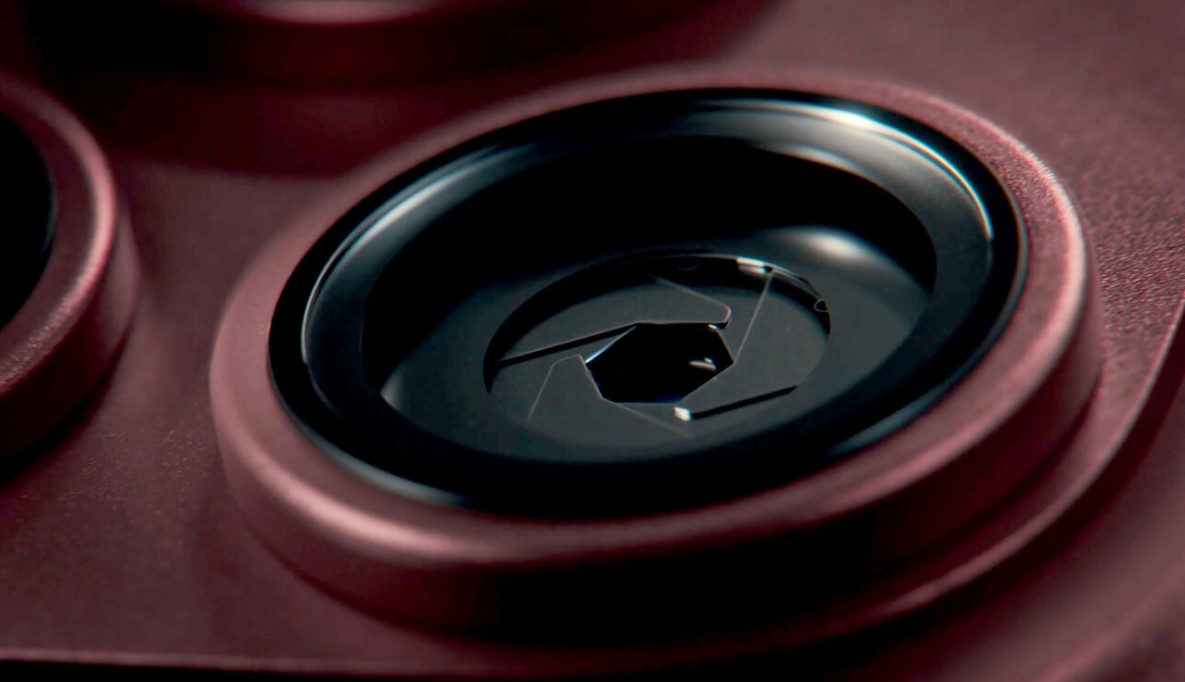
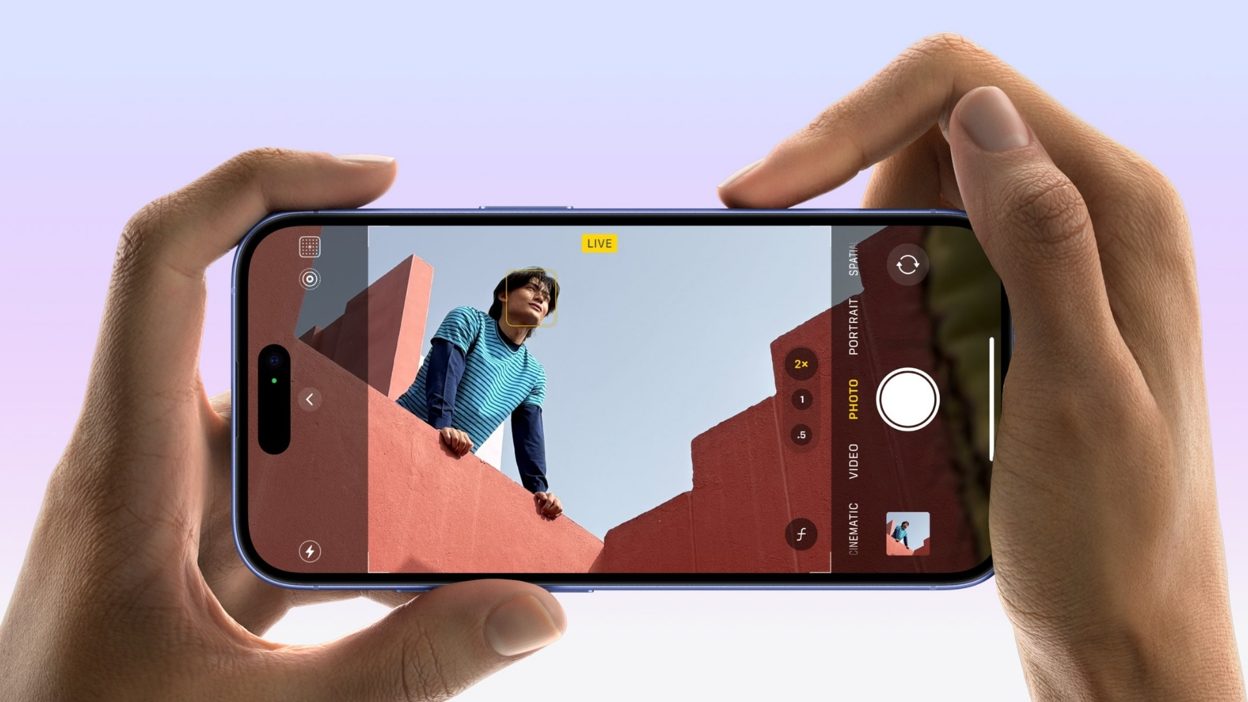
The most prominent upgrade in the imaging system is the 48MP main camera with variable aperture lens technology, which provides four physical options: ƒ/1.48, ƒ/1.8, ƒ/2.8, and ƒ/4.0 to control the amount of light falling on the sensor and the depth of field.
In his technical analysis for PetaPixel, Jaron Schneider praised Apple’s decision not to limit the lens to the widest aperture; tests showed that edge sharpness is negatively affected when using the wide ƒ/1.48 aperture in low light, which is physically normal. Meanwhile, detail sharpness peaks at ƒ/2.8, followed by ƒ/1.8, then ƒ/4.0, while ƒ/1.48 is the least sharp at the edges despite its superiority in gathering light and background isolation.
Apple supported this lens with professional controls in the Camera app that allow for adjusting shutter speed, white balance, and the histogram. Although Patrick Holland from CNET praised the presence of these options, he criticized their placement at the bottom of the control drawer, which makes them difficult to reach while shooting one-handed, expressing hope that they could be mapped to the side Camera Control button.
Summary of Opinions: Is it worth buying?
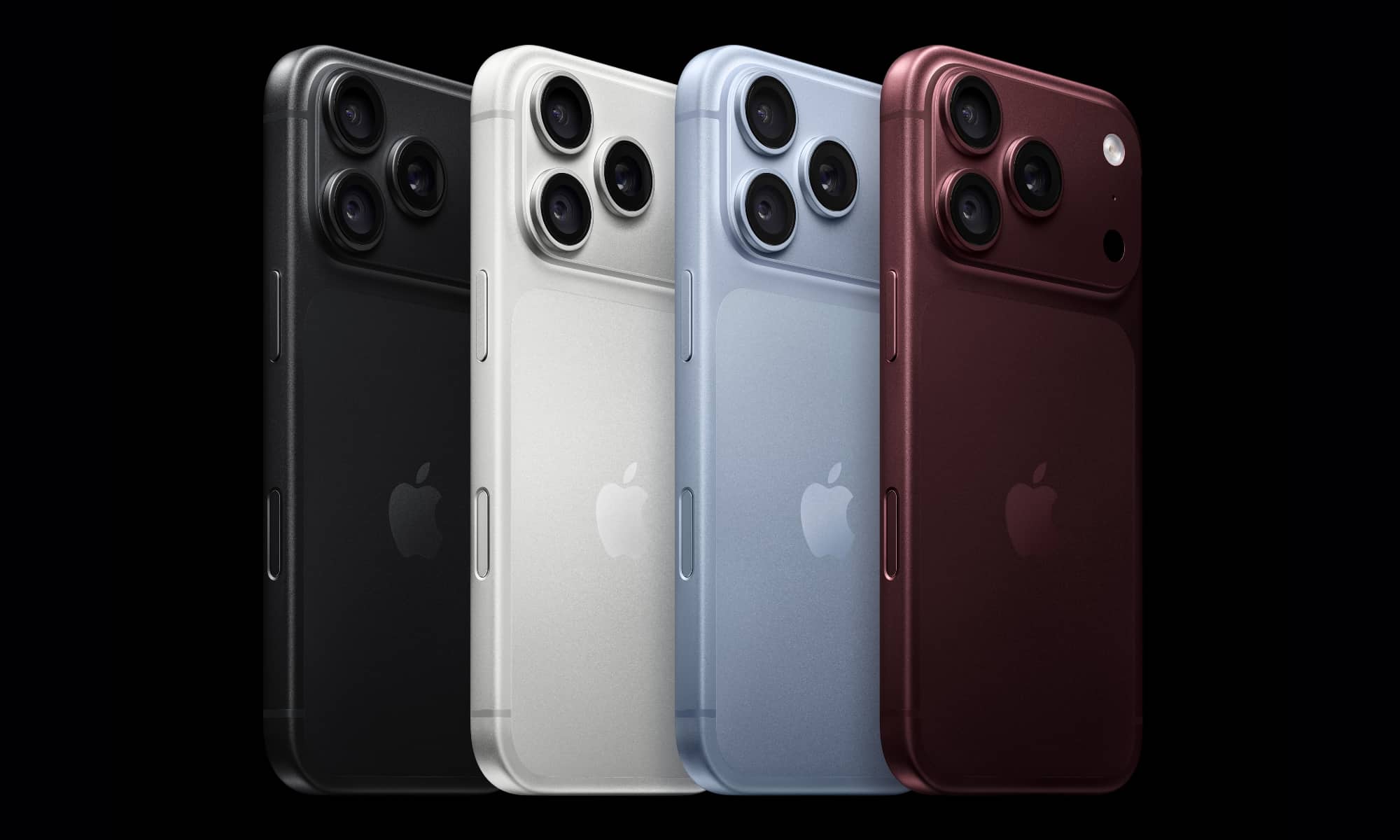
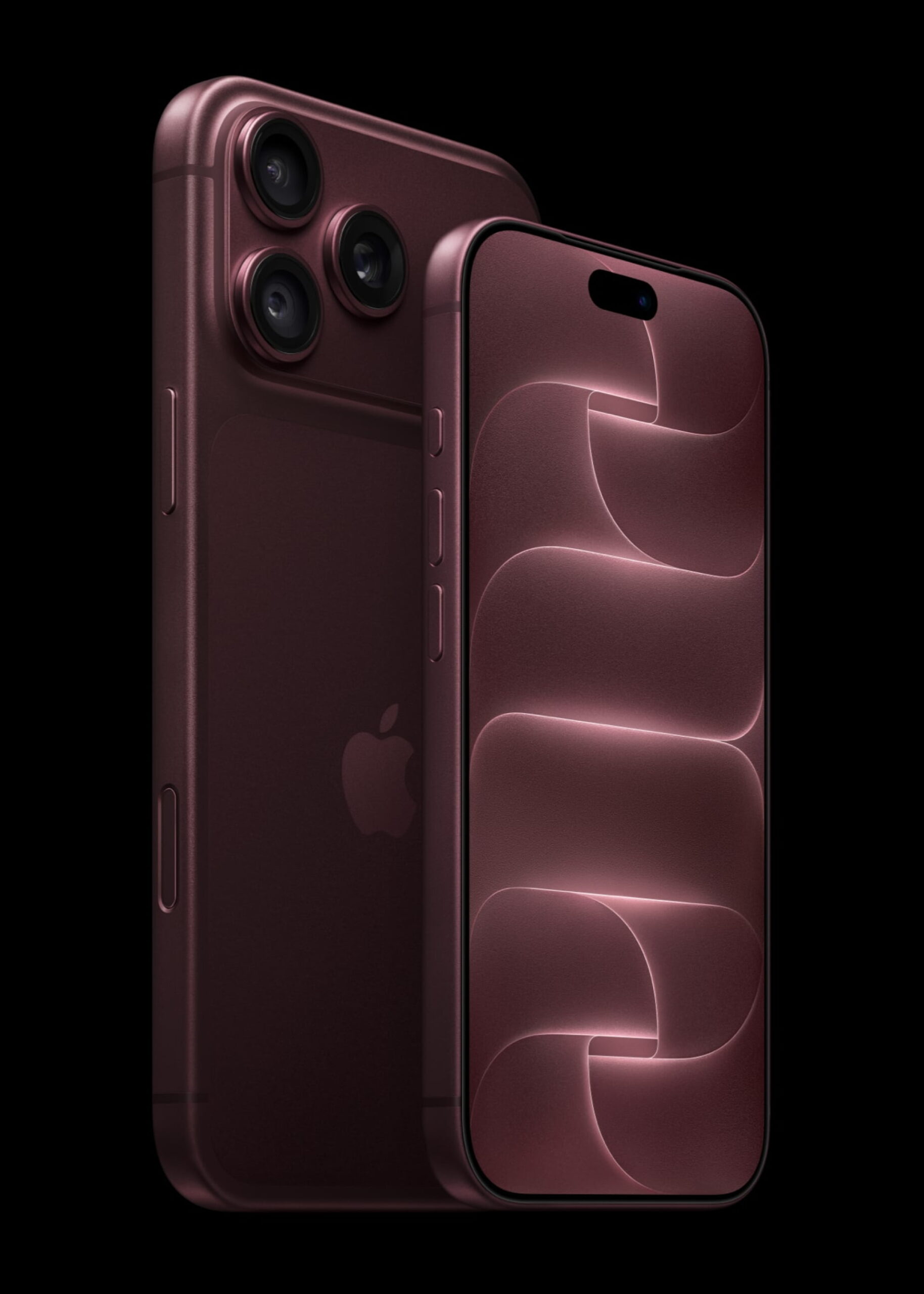
The phone is available in color options including Silver, the return of Jet Black, and two distinctive colors: Burgundy and Glacier. However, the consensus of reviews tends to describe the phone as “excellent but not exciting,” as Allison Johnson from The Verge put it.
Cherlynn Low from Engadget believes the phone stands in the shadow of the anticipation surrounding the foldable iPhone Duo, making the iPhone 18 Pro a straightforward classic choice that does not justify an upgrade at all for owners of the iPhone 17 Pro or even the iPhone 16 Pro. This is an opinion shared by Henry Casey from CNN, confirming that the variable aperture alone is not enough to change the daily photography experience in a way that warrants an immediate replacement.
All opinions ultimately agree on a simple principle: if you own an iPhone 14 Pro or earlier, the iPhone 18 Pro represents a huge upgrade in hardware power, battery, and charging speed, and it introduces you directly to the world of the all-new Siri capabilities in iOS 27. As for those who bought last year, your money is still safe in your pocket.
Source:
Leave a Reply