Not everything that glitters is gold! This is the case with the variable aperture lens in the iPhone 18 Pro, which seems like the leap that the iPhone camera has been waiting for for years, especially since it gives the user greater control over light, depth of field, and shutter speed. However, what many do not know is that the results of the variable aperture do not appear in every shot, and it has limitations that you might only discover when using the camera in a more professional way. For this reason, we will take you on a quick tour to learn the full truth behind the variable aperture in the iPhone 18 Pro. Is this lens really just a marketing gimmick, or is it a revolutionary feature in photography?

Variable Aperture
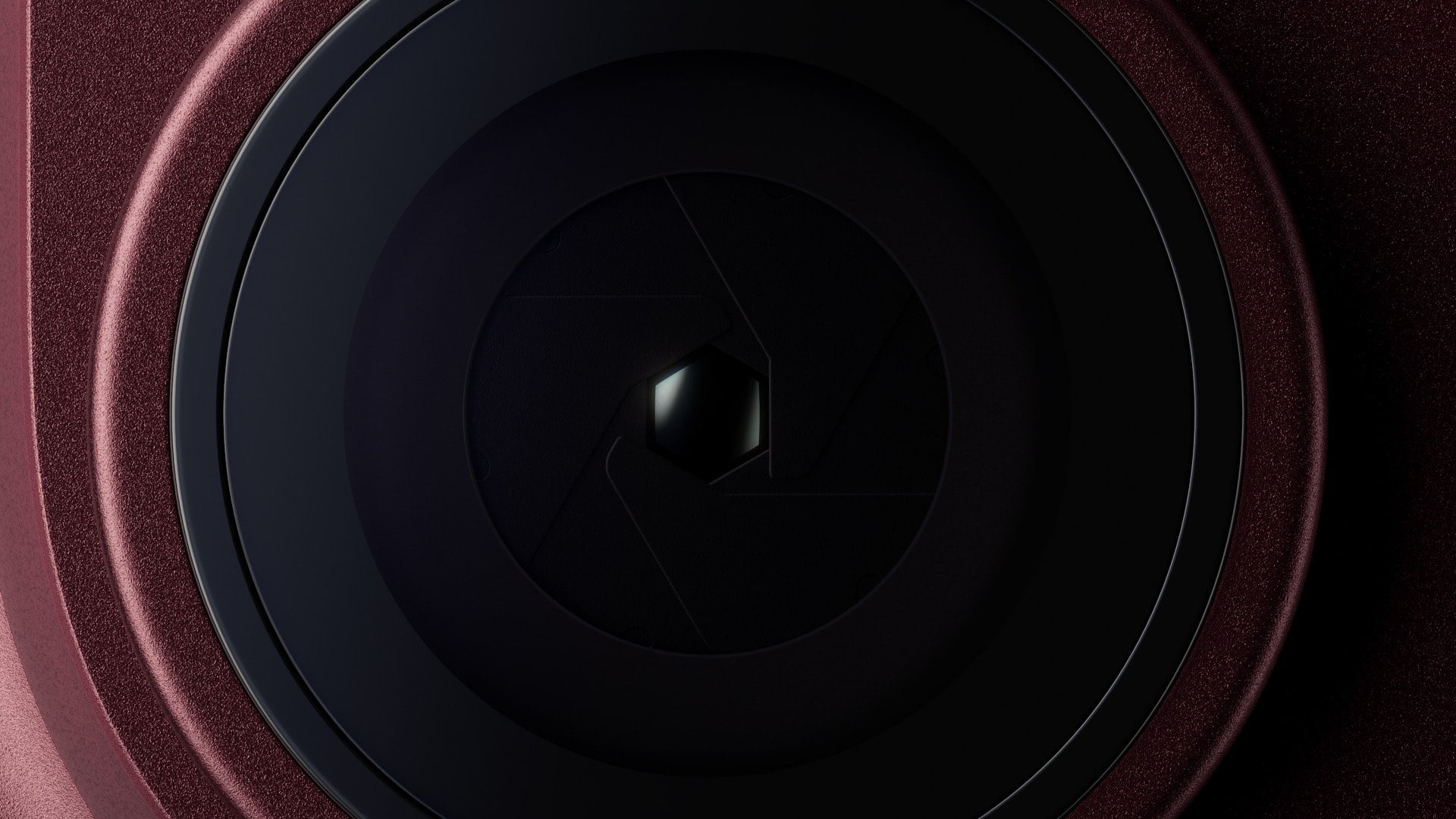
Most smartphones use a fixed aperture (f-stop), which is often wide to allow as much light as possible to enter, especially when shooting in dark places. For this reason, the phone relies on shutter speed in bright lighting so that the image does not become overexposed. Therefore, the camera with a variable aperture caught attention when the iPhone 18 Pro was unveiled, because it gives the phone a new ability to control the amount of light reaching the sensor.
To judge this new feature, we first need to know what the aperture does. It can be said that the new lens provides four settings: f/1.48, f/1.8, f/2.8, or f/4. Each setting determines the amount of light the lens allows to pass to the camera sensor. The irony here is that the smaller number means a wider aperture and more light, while the larger number leads to narrowing the aperture and reducing the amount of light reaching the sensor.
What happens when you change the aperture?
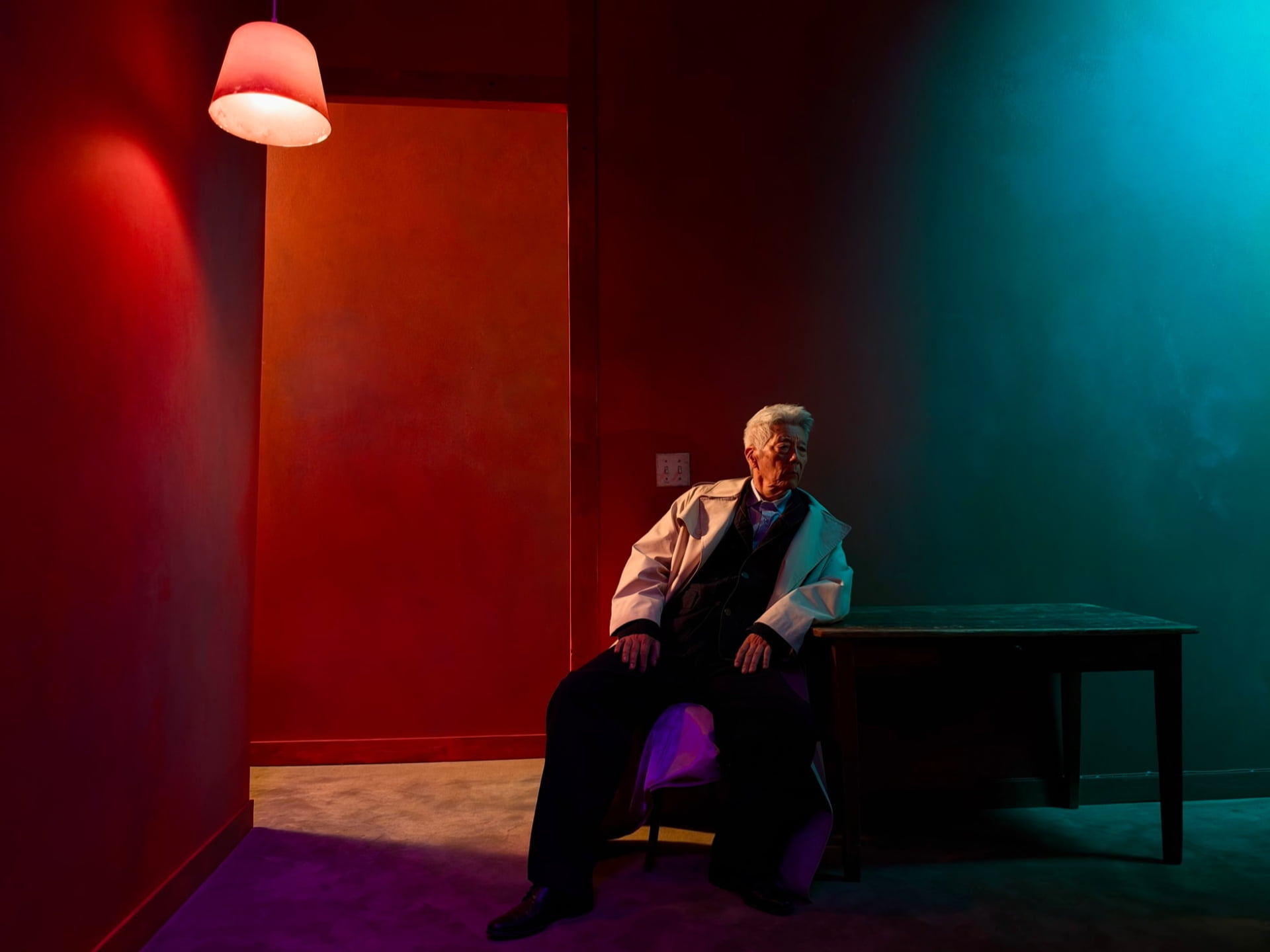
When using the f/1.48 aperture, the camera allows more light to enter, which is useful when shooting indoors or during scenes where lighting is limited. It can also help achieve a shallower depth of field, making the element close to the camera stand out more compared to the background.

When the aperture narrows to f/2.8 or f/4, the amount of light reaching the sensor decreases, but a larger area of the scene becomes in focus. This can be useful in some landscape photos or when photographing a group of people.
Sunstar Effect
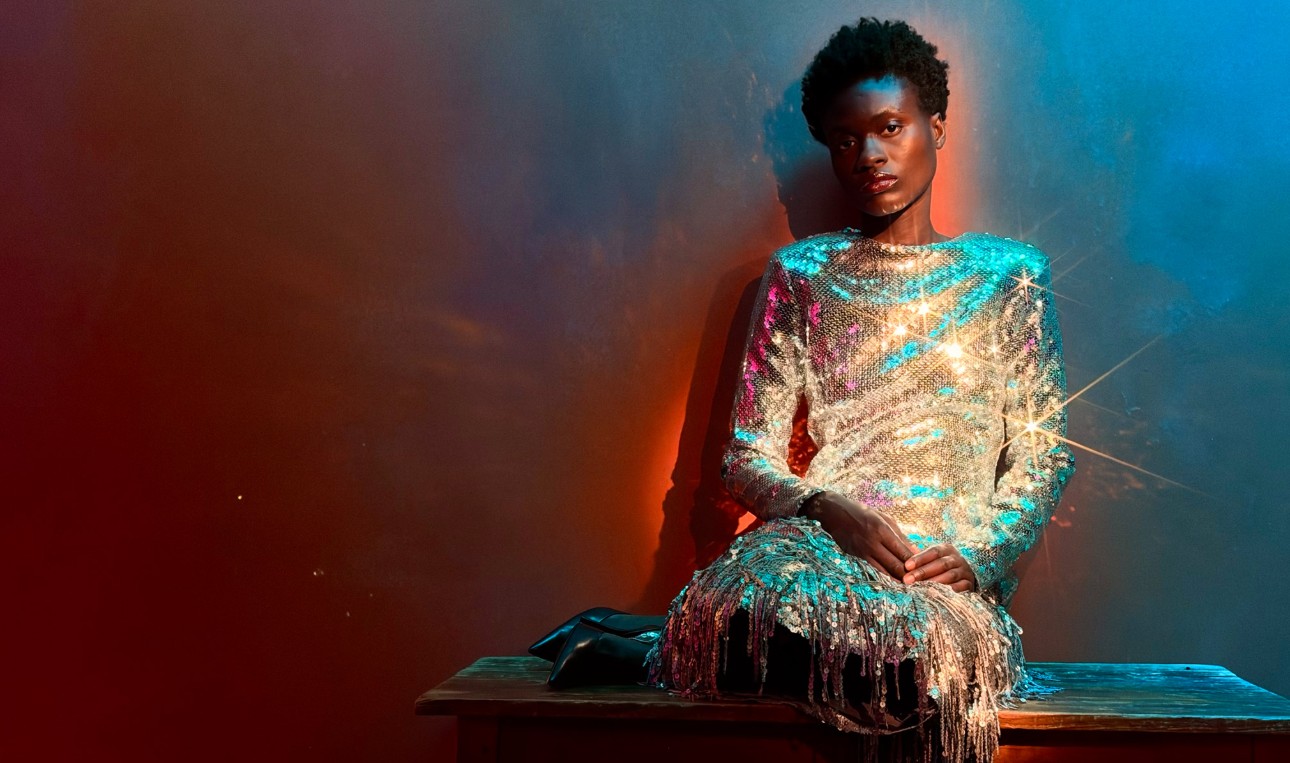
There is an important feature of the variable aperture, which is its ability to produce what is known as the sunstar effect around bright light sources. This effect appears when light rays pass through a narrow aperture, which can produce extended shapes that look like stars. This phenomenon occurs as a result of physical optical properties and not through computational processing. This effect can appear while shooting landscapes or cities, as well as when capturing a strong reflection of light on a piece of jewelry, or sunlight filtering through tree leaves, or light reflecting on the surface of water.
Manual Control for Professionals

Although the iPhone automatically adjusts the variable aperture, Apple has provided professional photographers and content creators with the feature of manual control over this lens. Through the settings, you will be able to adjust the shutter speed, aperture, and white balance, which allows for widening or narrowing the aperture and creating more precise and creative results according to the scene and lighting conditions.
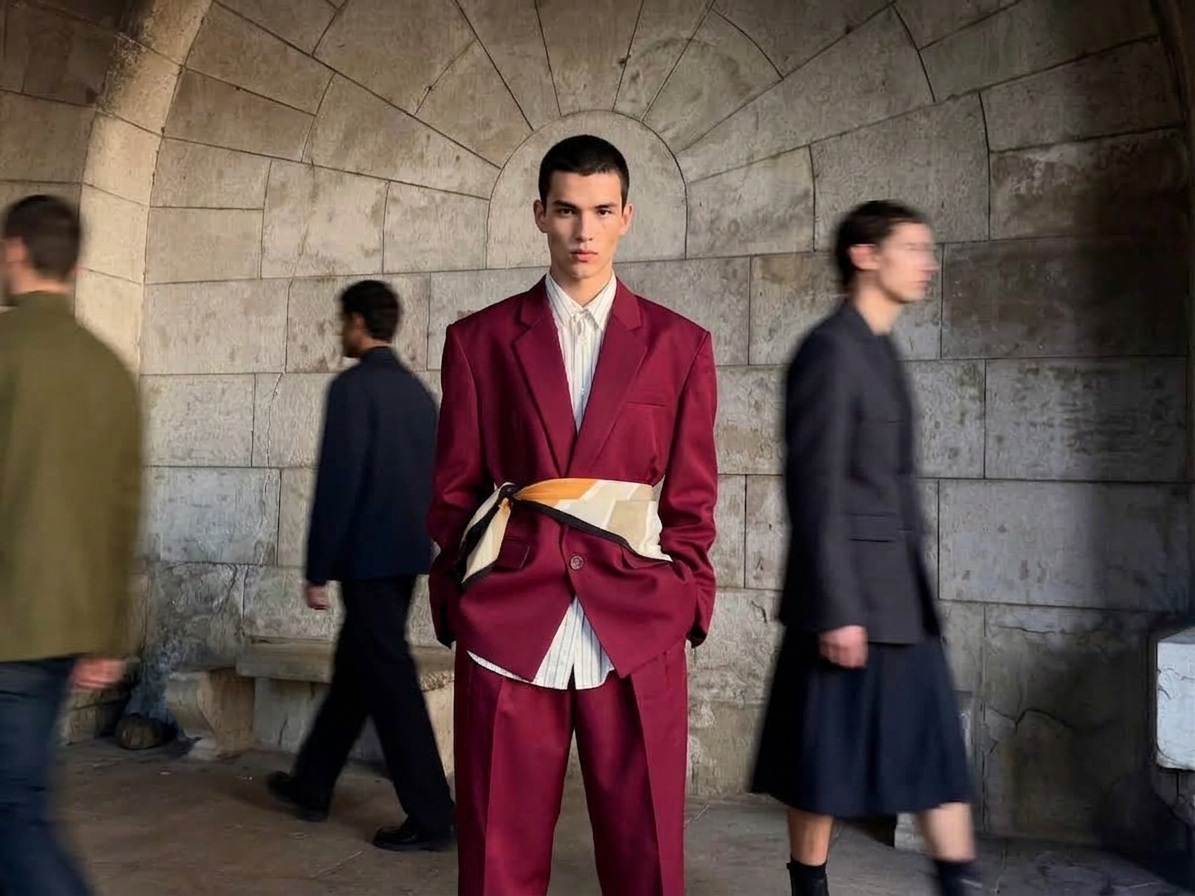
Thus, when a photographer wants to lengthen the shutter time, they can reduce the amount of light entering by narrowing the aperture. This allows for experimenting with slower shutter speeds that can be used to add intentional motion to the image.
For example, a shutter speed of about half a second can be used to make the movement of water in waterfalls and streams more fluid. While longer shutter speeds can be used in urban scenes to show cars and passersby in a blur that reflects movement.
Why won’t the iPhone 18 Pro replace ND filters?
Although the variable aperture gives the iPhone greater flexibility, it cannot handle all shooting conditions on its own. This is where Neutral Density (ND) filters come in, which are placed in front of the lens to reduce the amount of light entering it.
The importance of this filter increases when shooting in broad daylight, especially if the goal is to use a slow shutter speed to show motion. A photographer who wants to shoot a waterfall with a slow shutter speed, or shoot a busy street while showing the movement of people and cars, may need to reduce the light more than the variable aperture in the iPhone 18 Pro can provide.
The same applies when recording videos. Photographers often rely on what is known as a 180-degree shutter angle to get a natural amount of motion blur. This usually means setting the shutter speed to half the frame rate, such as 1/48th of a second when shooting at 24 frames per second, and 1/60th of a second at 30 frames per second. In indoor, night, or twilight scenes, the aperture range between f/1.48 and f/4 may be sufficient to achieve some motion effects and cinematic shots. But under strong sunlight, this range will not be enough. Here, ND filters become the practical solution.
The variable lens is not for all cameras
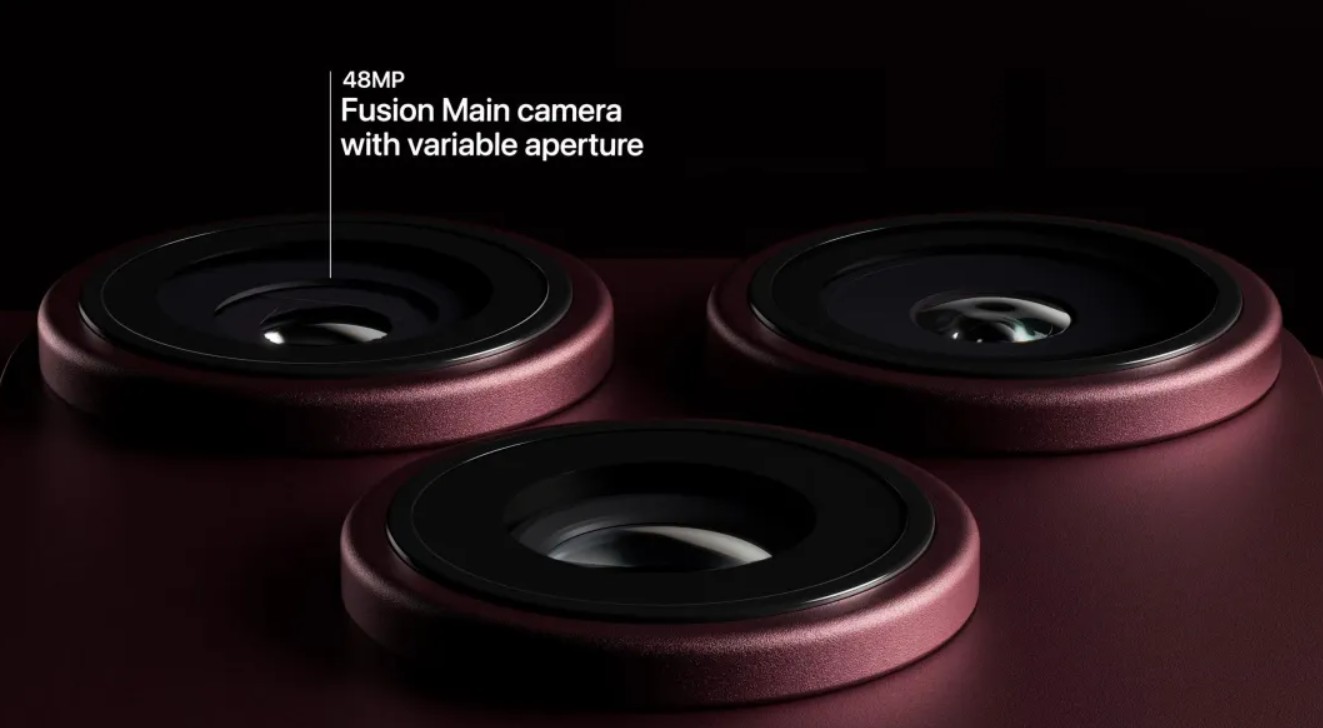
There is another point that many users overlook, which is that the variable lens is not available for all cameras on the iPhone. It is dedicated to the main 24mm wide-angle lens only. As for the 13mm ultra-wide camera and the 100mm telephoto camera, they retain the same design found in the iPhone 17 Pro without change.
Is the variable aperture worth all the hype?
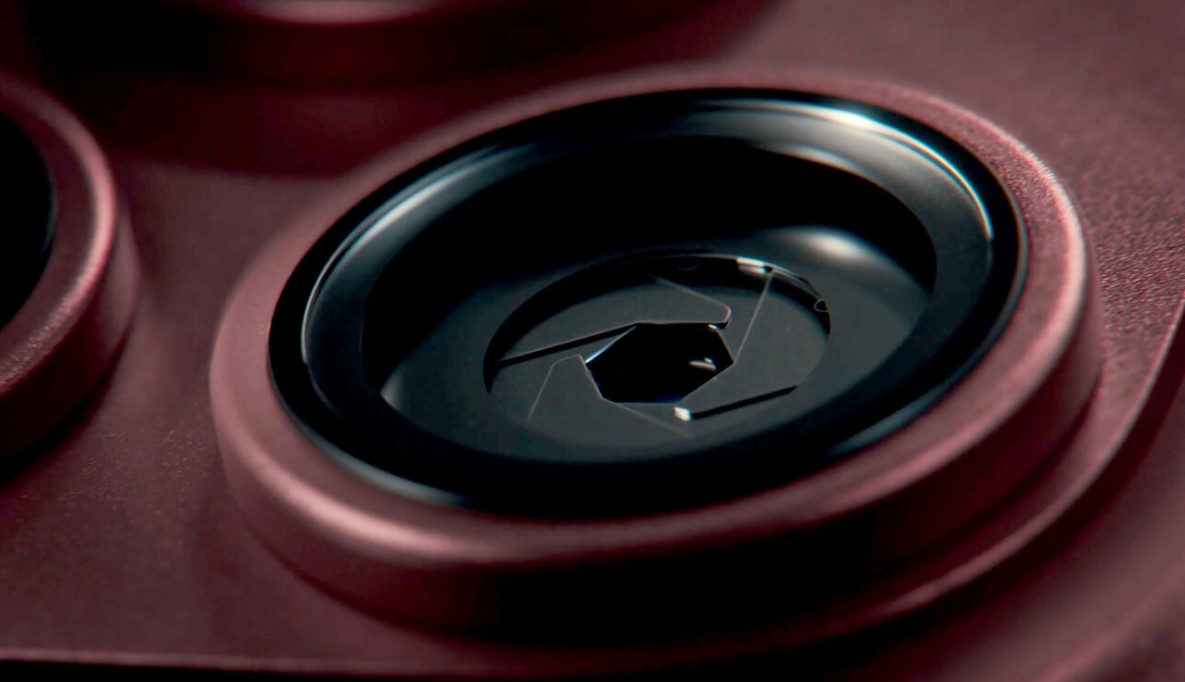
The variable aperture might seem like a revolutionary feature at first glance, but its true value does not appear the same way for all users. For the average user, the iPhone camera will automatically choose the most appropriate aperture in most situations, without the need to know what is happening behind the scenes or manually intervene in the settings. Even when looking for a blurred background, Portrait mode will still be able to provide the result that most users want easily.
But the picture changes when the phone reaches the hand of a professional photographer or content creator who knows how to take advantage of this extra space. The range extended from f/1.48 to f/4 gives greater control over the amount of light and depth of field, and becomes more important when using manual settings and techniques such as Long Exposure.
In the end, the variable aperture represents a real addition to the iPhone 18 Pro camera, but it is not the magical feature that will change the way everyone shoots. Its greatest value appears when the photographer takes advantage of controlling light, depth of field, and shutter speed, while some effects, especially cinematic shooting in daylight, still need an external ND filter. Therefore, the feature seems like an important step towards making the iPhone a more flexible tool for photographers, but it is not a final substitute for professional photography equipment.
Do you think the variable lens is really worth all this hype? Tell us in the comments!
Source:


Leave a Reply