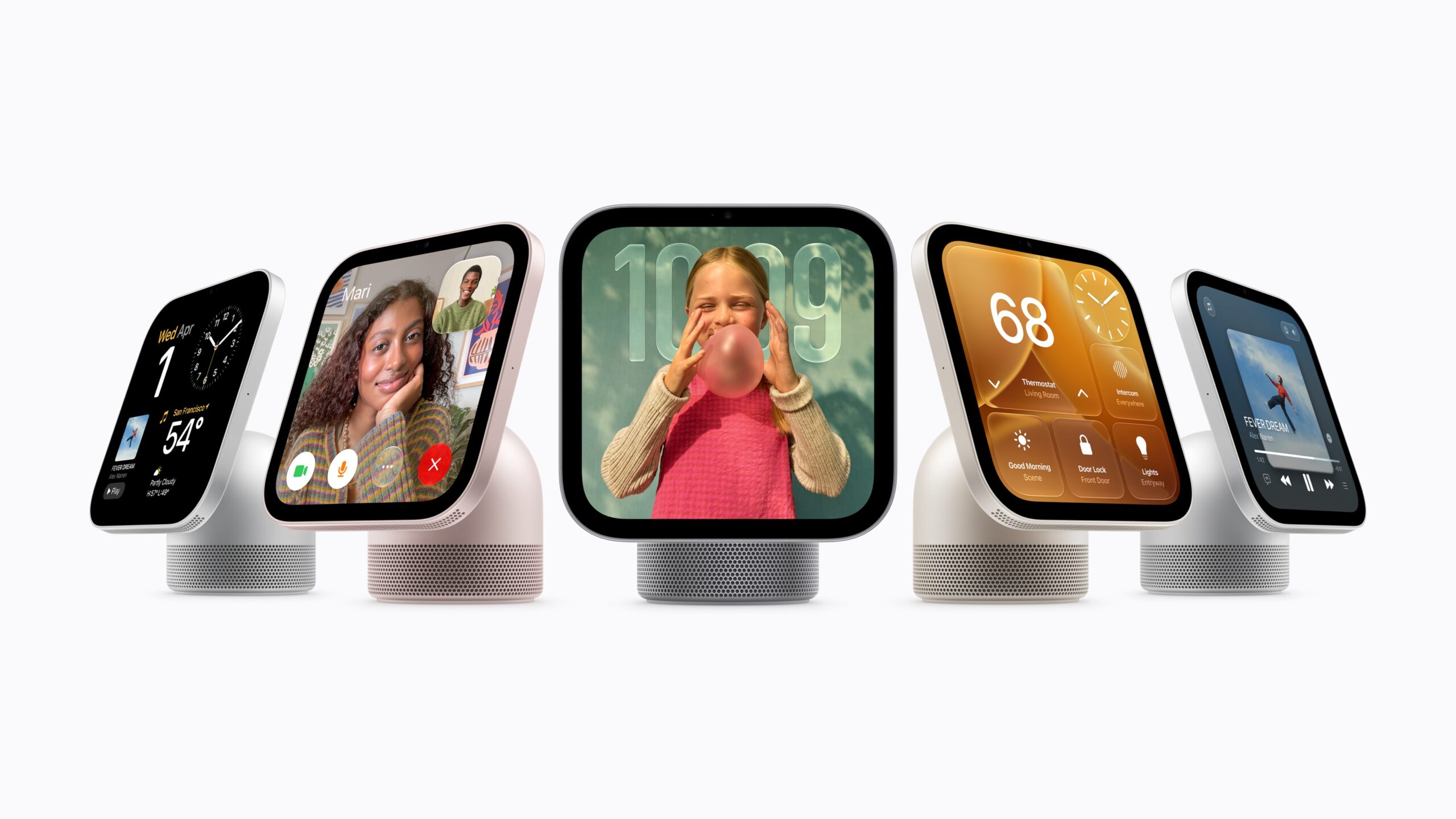
Apple no longer views the HomePod mini as a device solely tasked with playing audio and responding to voice commands. Instead, it is now considered part of a broader experience that can transform the home environment and the way we interact with it. With the second-generation HomePod mini 2, the small speaker hides capabilities that go beyond what its familiar design might suggest. This includes sound that adapts to acoustics moment by moment, lighting that pulses with the rhythm, and a smart assistant that can leverage your personal information. In the following lines, we decided to take you on a quick tour as we review 4 new features that make the HomePod mini 2 more than just a smart speaker.
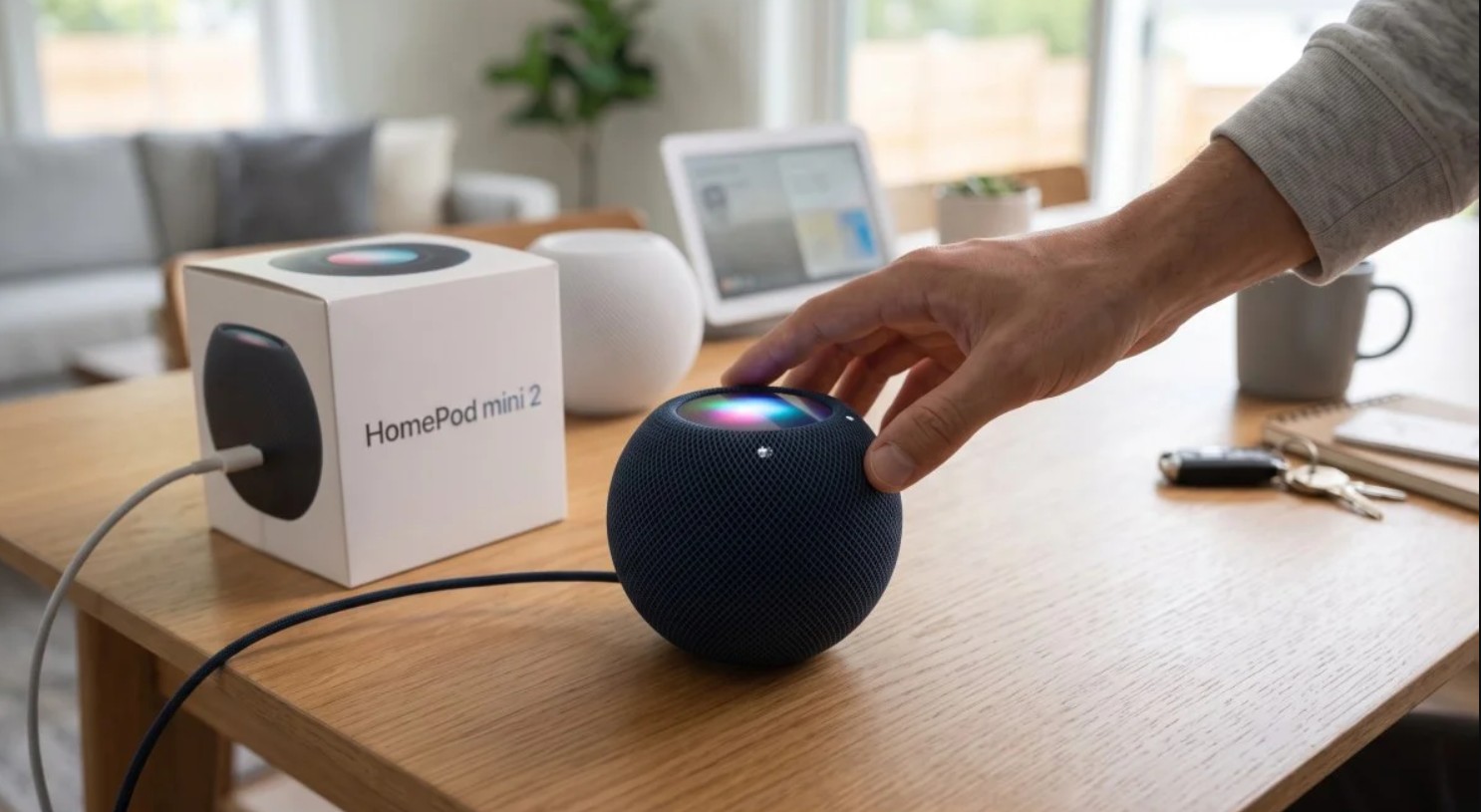
Siri AI Smart Assistant

The speaker is now capable of leveraging the new Siri AI features. This includes understanding personal context and accessing general knowledge. However, the speaker does not run these advanced capabilities independently; it requires a device compatible with Apple Intelligence, such as an iPhone 15 Pro or later, or a supported iPad.
Thanks to personal context awareness, the user can request an audio clip mentioned by a friend in a text conversation, play a podcast sent to them the previous night, or find a list created by a friend a year ago that wasn’t added to their Apple Music account. As for the general knowledge feature, it allows users to ask questions about various topics and receive answers using the user’s iPhone and Apple’s cloud processing service.
Furthermore, the HomePod mini 2 can recognize the voices of up to six people in the home to provide music recommendations tailored to each individual’s preferences. Apple says that family members using devices that do not support Apple Intelligence can also benefit from Siri’s general knowledge after enabling the feature on the speaker, with the ability to have natural conversations and get help discovering audio easily.
A More Realistic Audio Experience
Audio power was not the primary weakness of the HomePod mini, but rather its lack of deep bass, especially when relying on a single speaker. Therefore, Apple addressed this issue in the new generation through the S10 chip and advanced computational audio algorithms that analyze acoustics in real-time and adjust the dynamic range, volume, and audio performance accordingly.
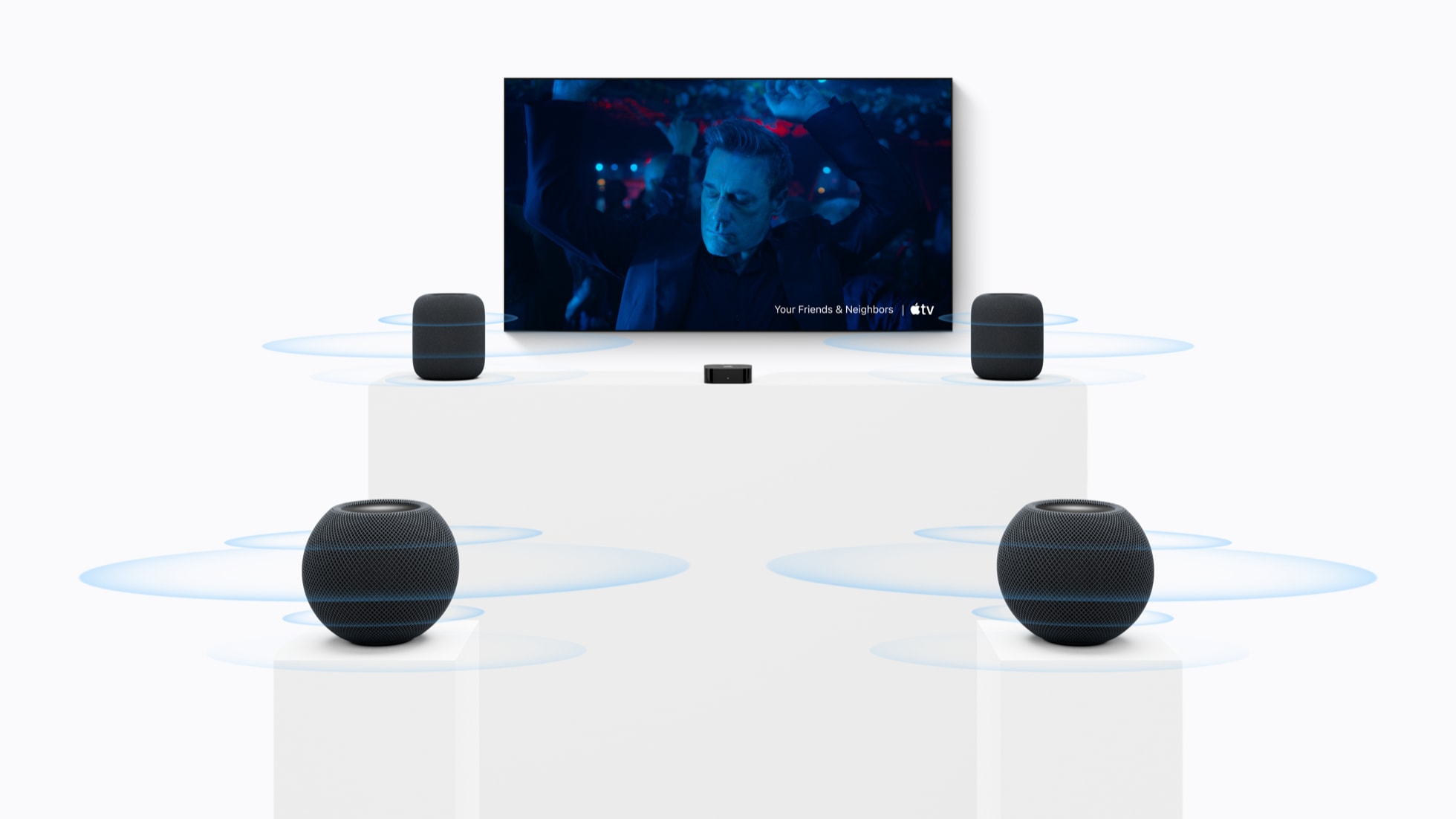
Additionally, up to four HomePod mini 2 speakers can be connected to the new Apple TV 4K to create a surround sound experience. Users can choose four of the new generation speakers, or combine two of them with two HomePod 2 speakers. The Apple TV 4K recognizes the position of each speaker and then adjusts the sound timing and levels according to their distribution in the room. Apple also allows the use of a pair of HomePod mini 2 speakers with other devices, such as an iMac equipped with an M4 chip, where the two speakers can be used to enhance the sound of movies, games, and FaceTime calls.
Note: The HomePod mini 2 does not support pairing with older HomePod or HomePod mini speakers.
Sound Glow Feature
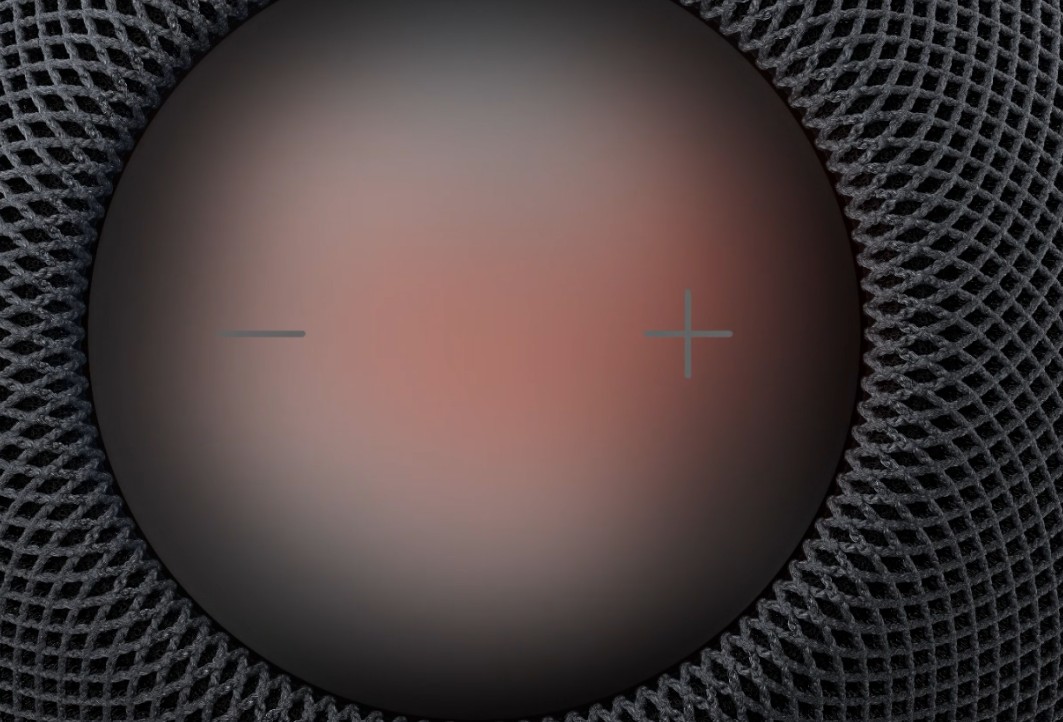
Apple adds the Sound Glow feature to the new speaker, which turns its top surface into a light area that glows and pulses in sync with the audio, responding to changes in low and high frequencies.
This feature is not intended to change the sound itself, but rather to add a visual display to the listening experience. When a song is played, the speaker can display lighting effects whose colors coordinate with the album cover shown in the current playback interface within Apple Music. The feature also allows the use of sound effects and ambient scenes to play animations that help create a relaxing atmosphere in the home. Apple confirmed that Sound Glow will also come to the second-generation HomePod via a software update.
Seamless Smart Home Control
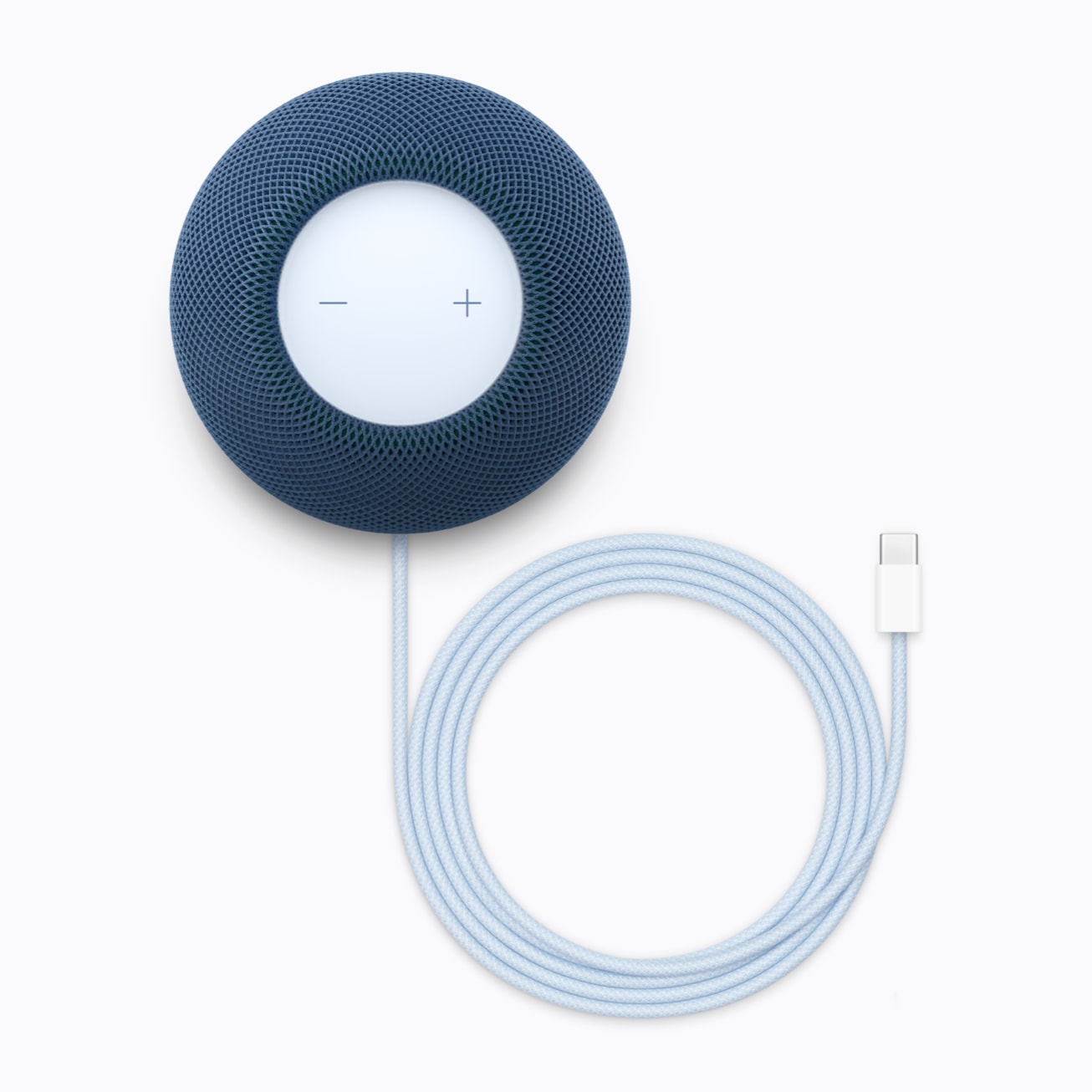
The original HomePod mini was capable of controlling home devices, playing audio, and executing some basic Siri commands. However, the second generation expands these capabilities through a more advanced chip and better integration with new smart home accessories. With Apple Home Collection devices, the speaker can help perform daily tasks, such as locking the front door, closing the curtains, adjusting the thermostat, and turning off the lights when getting ready for bed. It can also alert the user to someone’s presence at the door, whether it’s a delivery person, a friend, or a family member, while providing information collected by other smart home accessories.
On the iPhone, the user can create automated processes that work in integration with the HomePod mini 2 and the new Siri features. These processes can be set up using natural language or through the Shortcuts app, making it easier to control multiple devices and organize daily tasks.
But that’s not all; through the Sound Recognition feature, notifications are sent to the user’s devices when a smoke or carbon monoxide alarm sound is detected. Through the Home app, you will be able to listen and talk to those in the house to check on them and ensure there are no problems or dangers.
Finally, the HomePod mini 2 offers a more advanced experience that combines enhanced sound, artificial intelligence, interactive lighting, and smart device control. Despite its higher price, it gives Apple users a new way to enjoy audio and manage their daily devices from one place, making the small speaker a practical addition to a smarter home.
In your opinion, is Samsung still innovating its own path, or has it started following in Apple’s footsteps? Tell us in the comments!
Source:
Leave a Reply