When discussing foldable phones, eyes often immediately turn to the screen crease and fracture resistance. However, the real physical challenge that keeps hardware engineers up at night lies in the nightmare of heat; when the device is folded, its thickness doubles and the heat dissipation area is reduced by nearly half, while flagship chips continue to operate at full capacity to power two screens simultaneously. Nevertheless, new engineering details reveal that Apple did not stand helpless before this dilemma in the iPhone Duo. Instead, it exploited the supposed weak point—the hinge itself—to innovate an unprecedented cooling system in the world of smartphones.
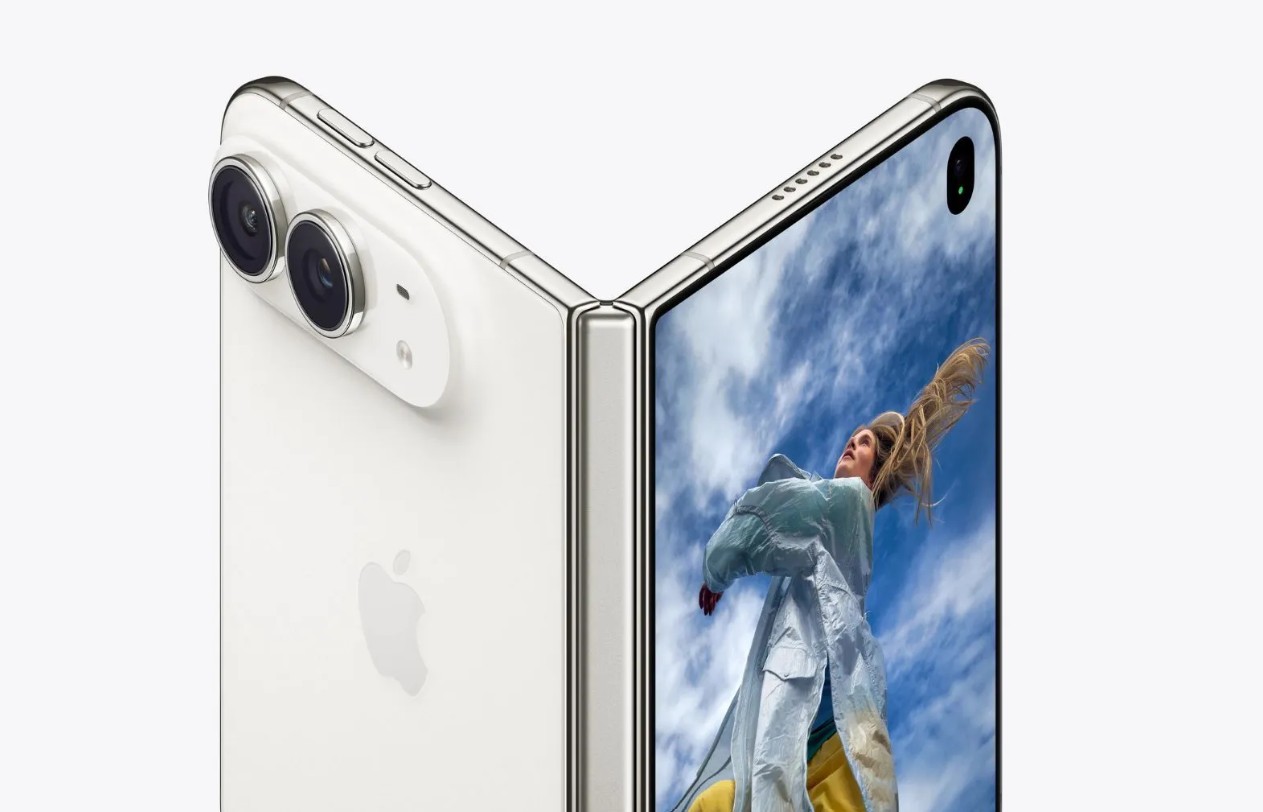
A Flexible Graphite Tube Piercing the Heart of the Hinge
In a lengthy interview with the PCMag platform, Dan Murray, Apple’s VP of Chip Engineering, and Binsabeh Barabadi, the Senior Director of Thermal Product Design at the company, spoke about the design dilemmas associated with developing the A20 Pro processor and the iPhone Duo. Barabadi noted that dissipating thermal emissions in a phone that doubles in thickness when folded was one of the most technically difficult aspects, which required thinking completely outside conventional engineering molds.
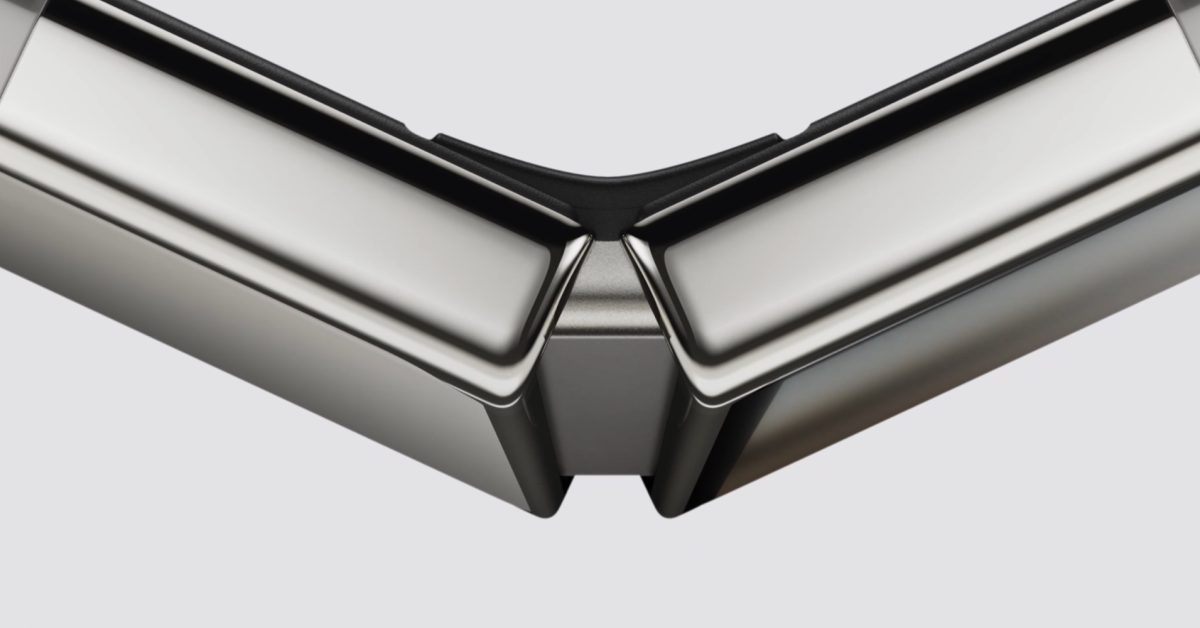
To solve this problem, Apple invented a flexible thermal tube made of graphite that passes directly through the hinge axis, connecting the two halves of the device with extreme smoothness. The function of this tube is to transfer heat generated by the chip from one half to the other, doubling the effective cooling area available to expel heat into the open air instead of trapping it. This part required intensive collaborative work between the thermal team and the mechanical engineering team to ensure that the graphite material would withstand thousands of opening and closing cycles without losing its superior thermal conductivity or suffering any structural damage throughout the phone’s lifecycle.
A20 Pro Chip and “Metal Over Foam” Material
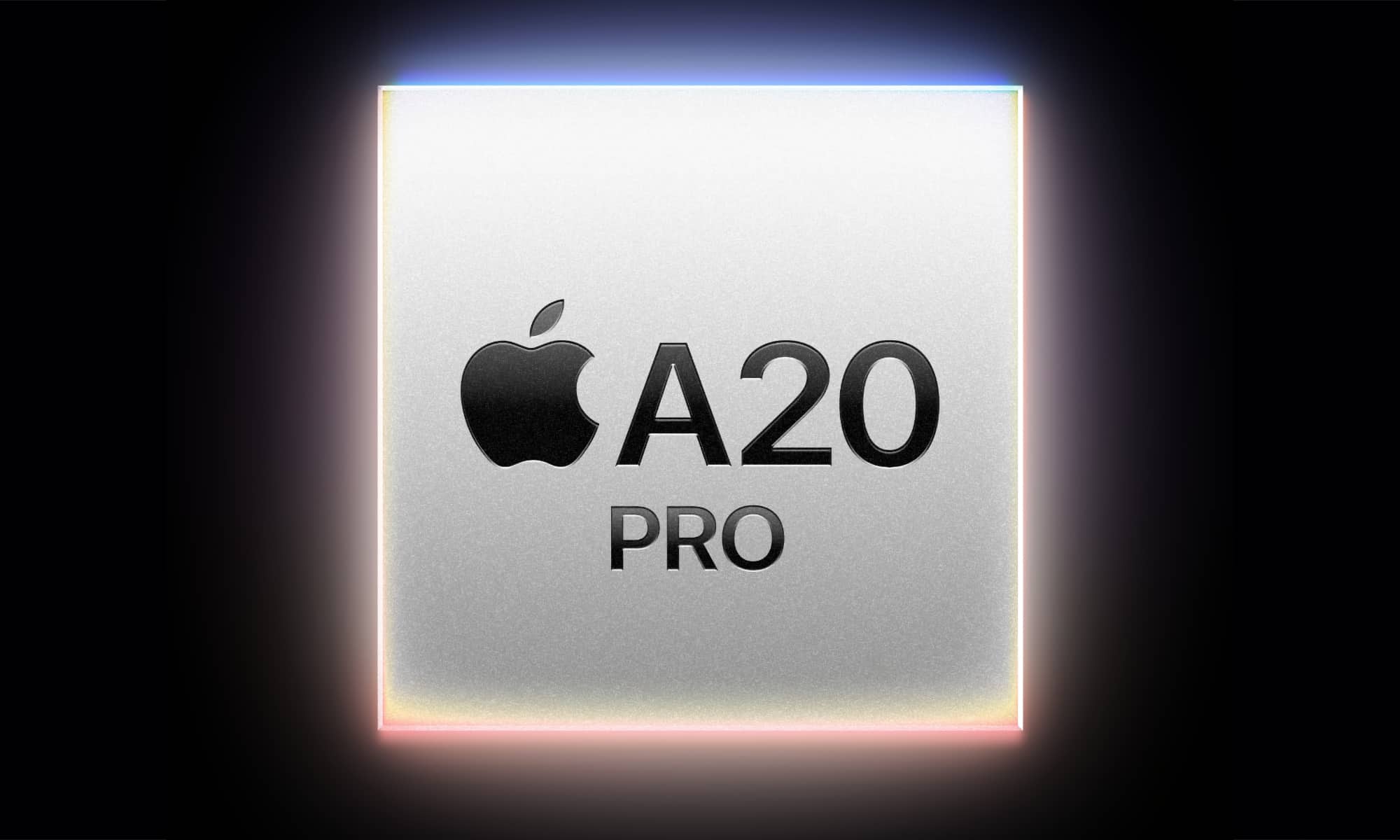
The thermal innovation did not stop at the hinge alone; the new A20 Pro chip, manufactured using 2nm technology, represents a qualitative leap in energy efficiency. It is the same chip that powers the iPhone 18 Pro devices alongside the iPhone Duo. However, due to the unique nature of the foldable phone, Apple equipped its version with an additional display engine to support running both the internal and external screens simultaneously with perfect smoothness, while including special hardware support to place the FaceTime camera entirely behind the internal screen without any annoying notches.
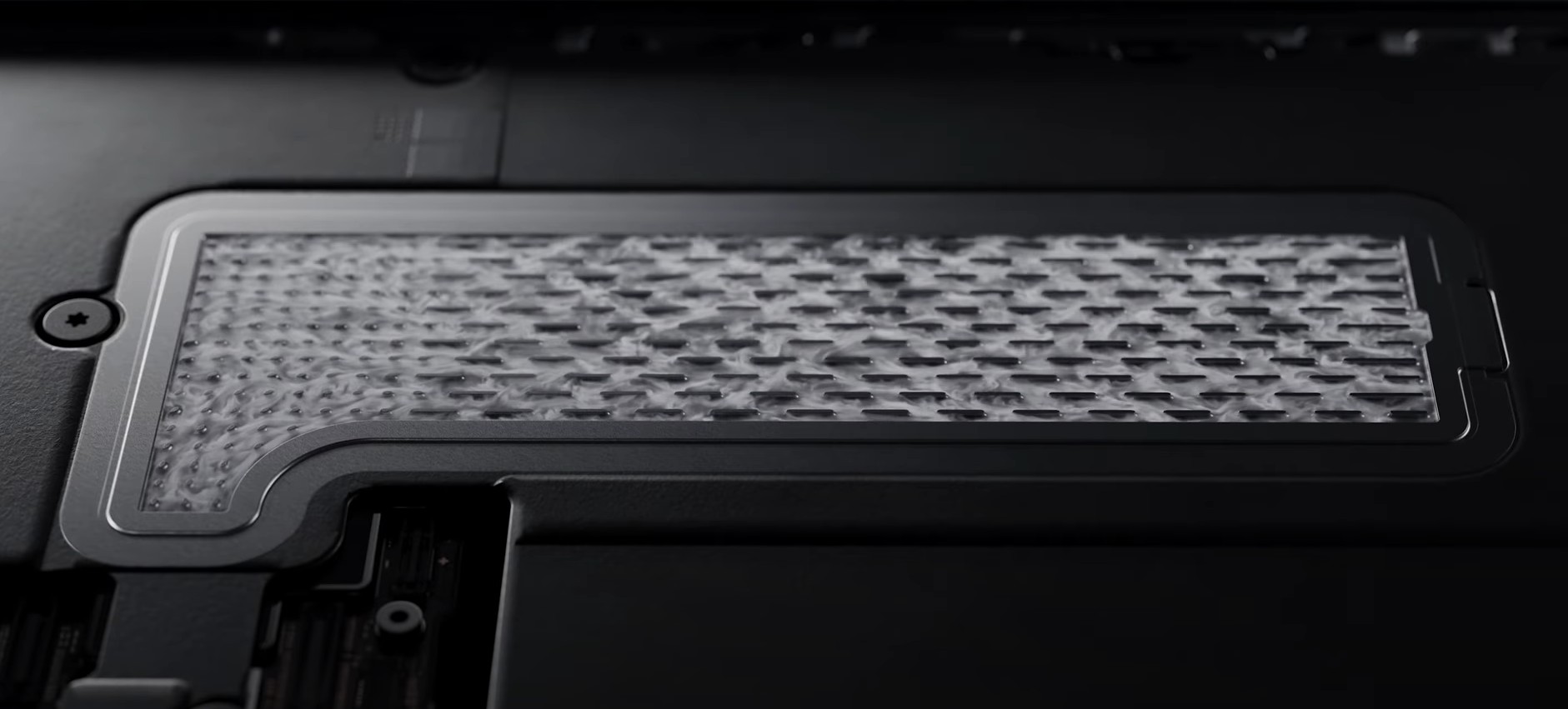
To ensure optimal cooling, Apple integrated a new vapor chamber based on an innovative material called “Metal over foam,” which is a flexible thermal and mechanical link that connects the processor and the vapor chamber with high efficiency, taking months of research to fine-tune its properties. In addition, Apple made an architectural decision to place the DRAM chips next to the processor on the board instead of stacking them on top as before, which prevents the accumulation of thermal hotspots and provides optimal stability even during the most intense gaming sessions and complex tasks.
Source:



Leave a Reply