Sensor Size: A Battle Decided by the Laws of Optical Physics
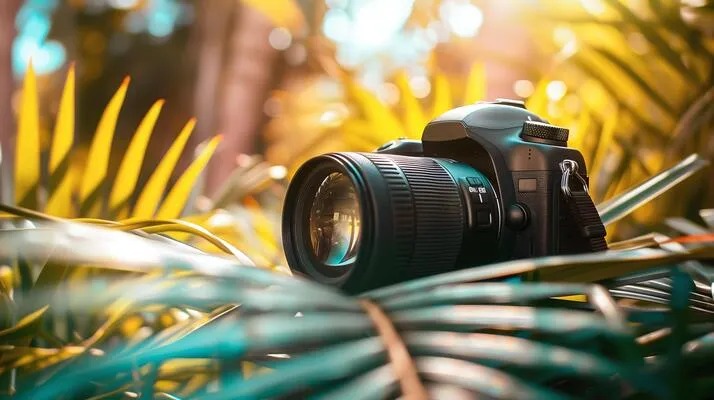
It is intuitive that DSLR cameras differ in their essence from smartphones. Although modern Apple phones are capable of competing with professional mirrorless cameras in image sharpness and portability, there is a fundamental difference that starts with the size of the optical hardware.
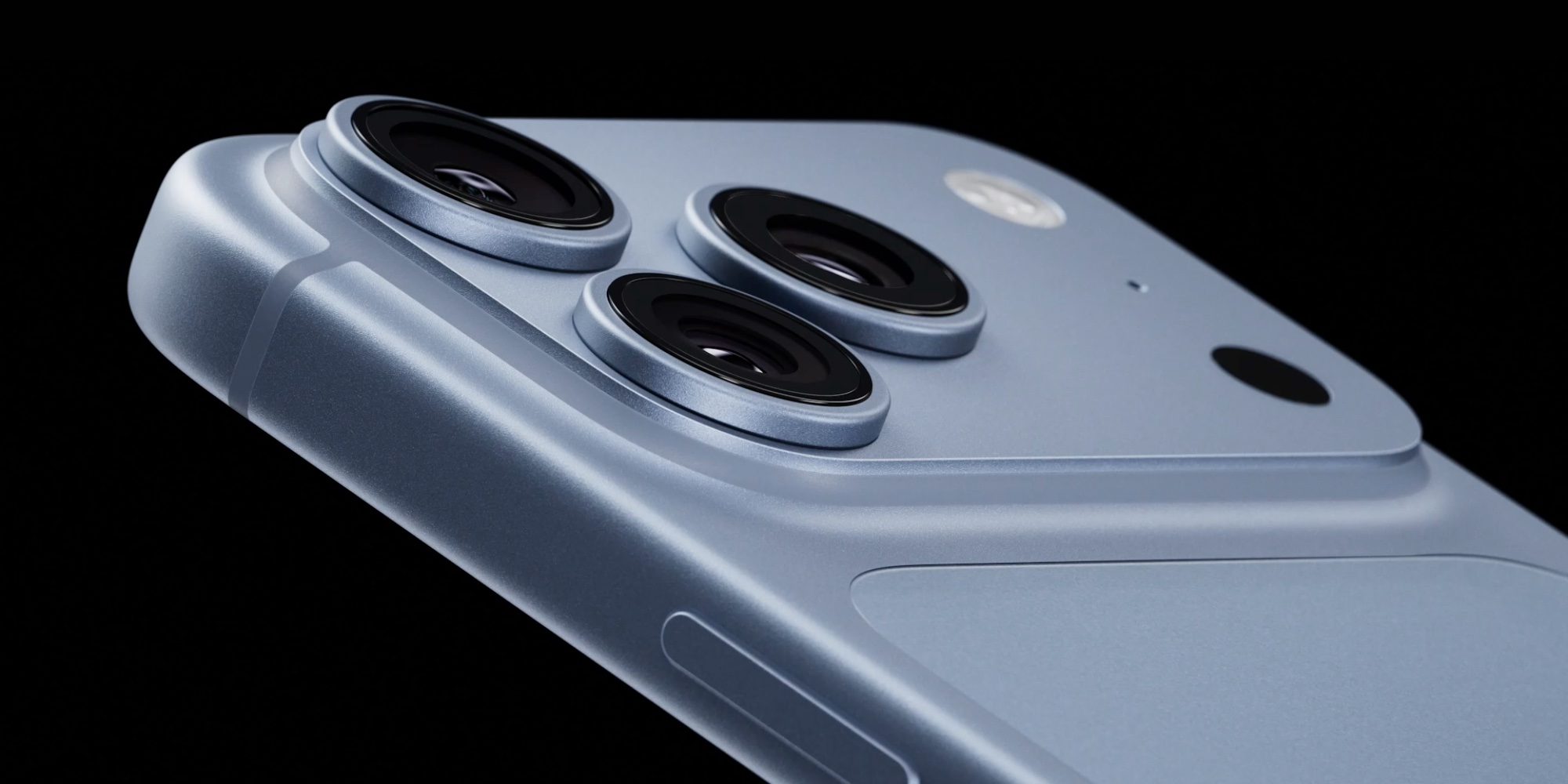
In the camera system of the iPhone 18 Pro and iPhone 18 Pro Max, we find three rear sensors; the main sensor measures about half an inch diagonally, while the other sensors sit at approximately a quarter-inch to cover the ultra-wide lens and the 4x telephoto lens. This gives the phone superior flexibility and variety in viewing angles compared to cameras dedicated to beginners, such as the Canon Rebel T7.
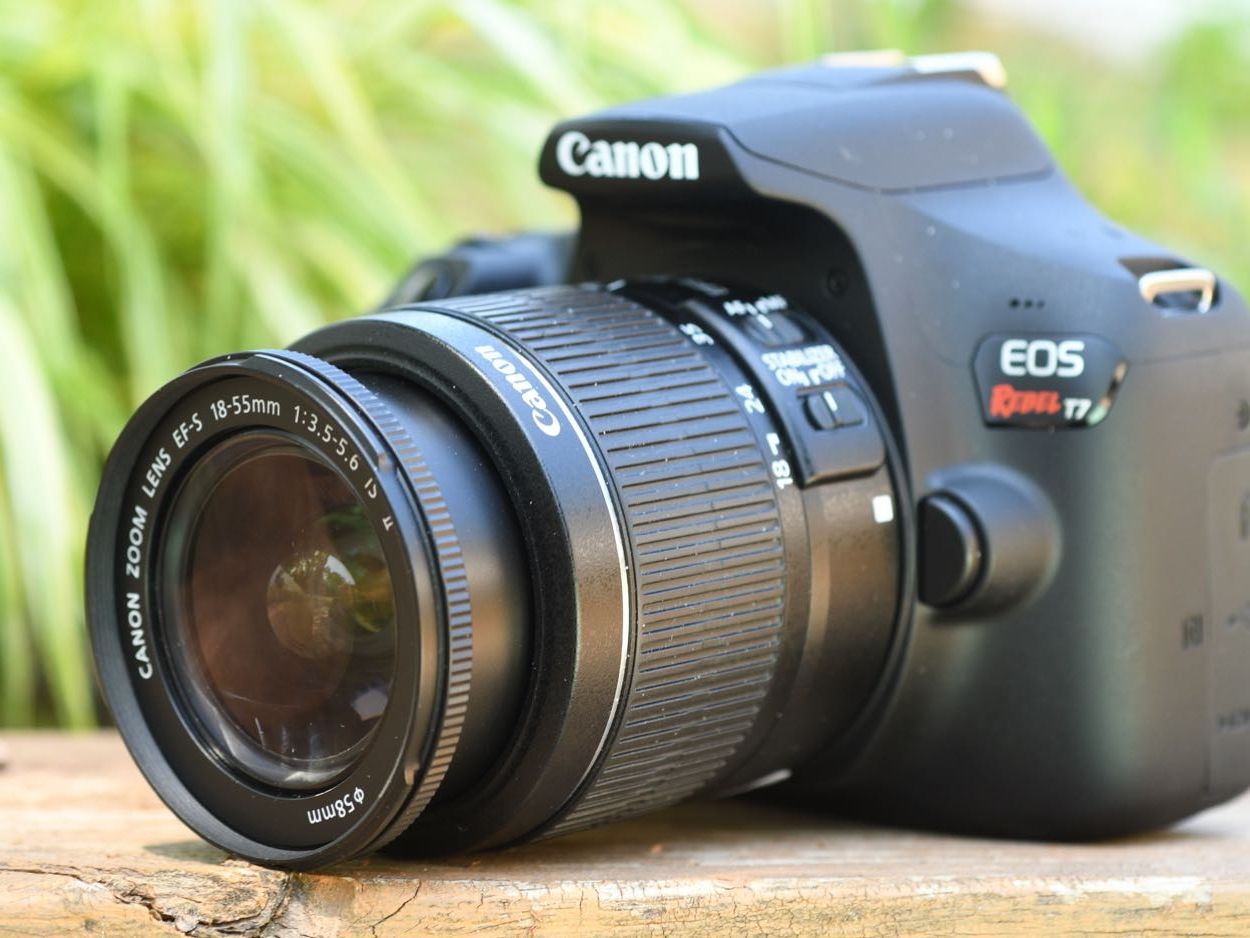
However, if we take a closer look at the individual sensor of the Canon Rebel T7, we find that its surface area is three times the area of the three iPhone sensors combined. This massive area means a physical capacity to absorb huge amounts of light photons, handle harsh and low-light conditions with superior stability, and provide true depth of field and pure colors that do not require patch-up processing to compensate for the lack of captured light.
These large sensors, in turn, require massive, carefully polished glass lenses, containing mechanical elements and advanced motors to move aperture blades or control smooth optical zoom while recording video. This clearly illustrates the distinct difference between a tool designed for a purely optical purpose and a multi-purpose phone.
The iPhone: The Magic of Computational Photography in a Multi-tasking Device
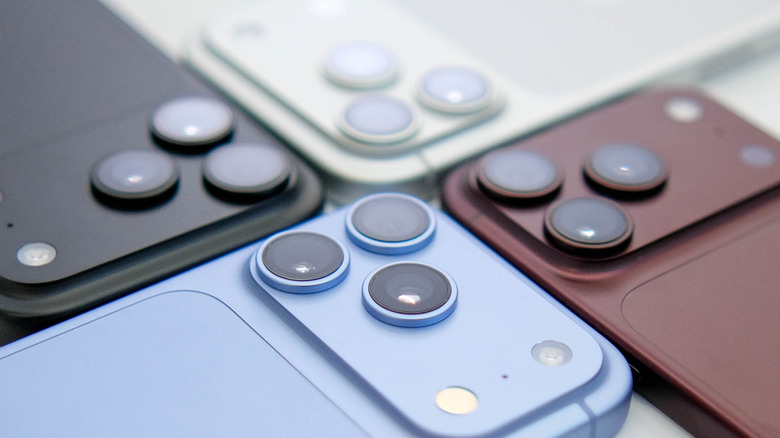
Smartphones are designed to provide an immediate flow of information; you take a photo or video and share it with the world in the same instant. At the same time, this device is required to run the heaviest games, make calls, and manage daily work tasks, with the most important condition being that all of this must fit into a slim body that slides into your pocket effortlessly. This constant struggle between portability, performance, and multi-functionality is what led Apple to the philosophy followed in its professional phones.
To overcome size limitations, Apple relies on advanced Fusion Processing techniques in the iPhone 18 Pro to produce images with intermediate focal lengths with remarkable skill. The system captures successive exposures at high speed: a 48-megapixel shot to collect the finest details, and a 12-megapixel shot for higher light sensitivity, then merges them into a 24-megapixel image that looks vibrant and full of natural detail. Apple has also added a variable aperture mechanism in the main camera to simulate what professional lenses do in controlling the amount of light and background isolation.
These solutions require enormous processing power and extremely precise engineering to deliver excellent results for a portable device, but they rely primarily on software intelligence to bridge the physical gap, which is completely different from how professional cameras operate.
Professional Camera: Absolute Specialization for Image Makers
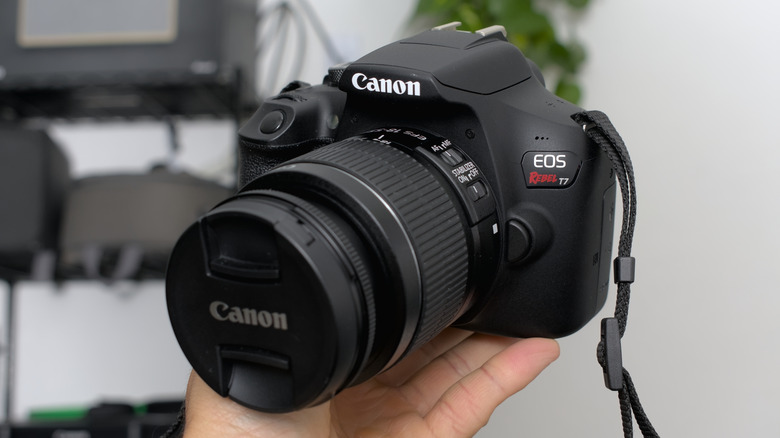
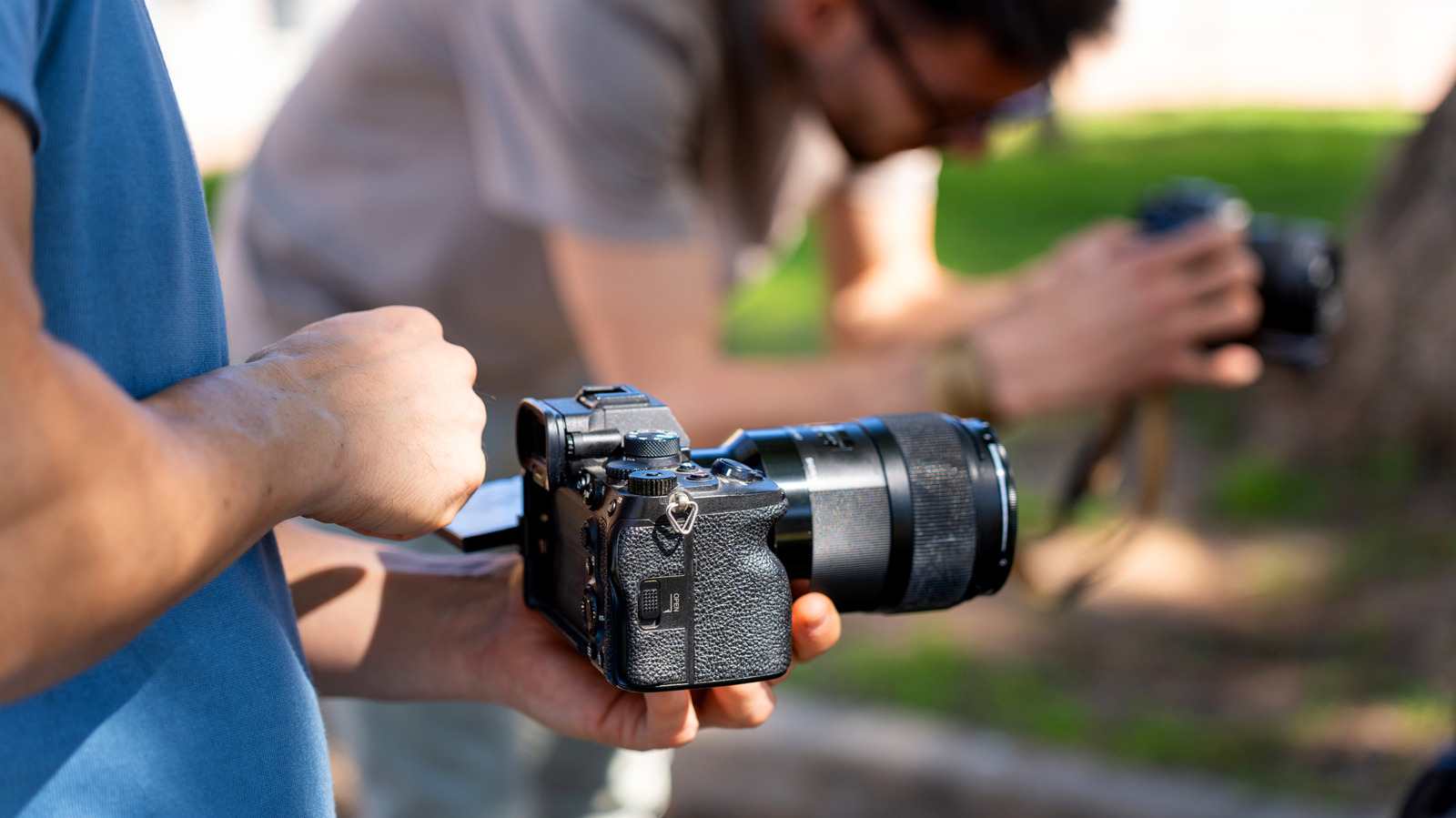
Cameras have undergone tremendous development over the past centuries, and most of the size and weight in DSLR cameras still stems from the mechanical mirror box that splits incoming light between the optical viewfinder and the autofocus sensor, a technology established since the eighties. With the advent of mirrorless cameras, the industry has dispensed with the mirror box in favor of more compact bodies, but the core philosophy has not changed: a complete device dedicated to capturing the moment with absolute precision.
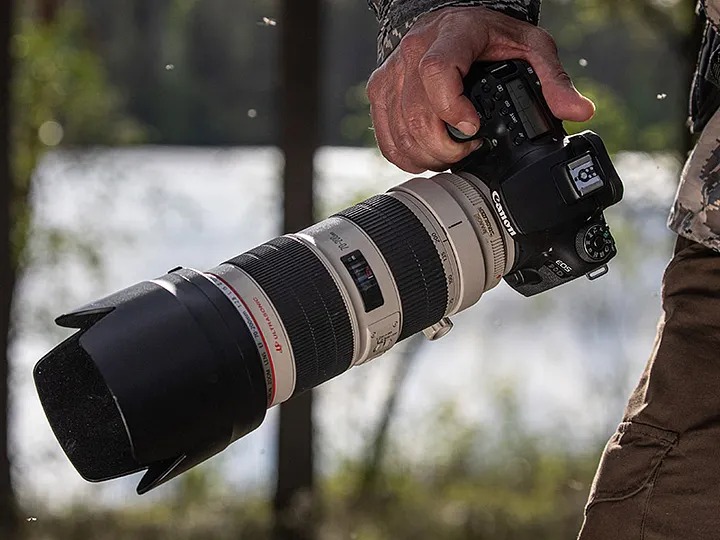
Professional cameras possess an arsenal of buttons, dials, and screens dedicated to direct manual control, and their processors are free from the complexities of running apps or network connectivity; all transistors are dedicated to recording raw light data coming from the glass with the highest possible precision. Moving from APS-C sensors to full-frame sensors means larger glass and fast, quiet focus motors that allow the photographer precise control over every shot without relying on algorithms that might misinterpret the scene.
You can certainly add external lenses and accessories to your iPhone to improve shot quality, but if you are serious about professional photography, you must realize the difference between an image automatically processed by a phone to suit phone screens, and a professional shooting environment that gives you complete sovereignty over the result and the entire shooting experience.
Source:



Leave a Reply