For many years, the glowing Apple logo on the back of MacBooks was not just a regular brand mark; it was a beacon that lit up conference halls, coffee shops, and university lecture halls around the world. When Apple decided to discontinue this shining symbol in 2015 and replace it with a polished metal logo to reduce screen thickness, Mac enthusiasts felt the loss of an intimate part of the device’s visual identity. Today, exciting details are surfacing that reveal the secret behind the serious consideration of bringing this iconic logo back to life, but this time in conjunction with a radical change the company has long resisted for years: a MacBook Pro with a touchscreen.
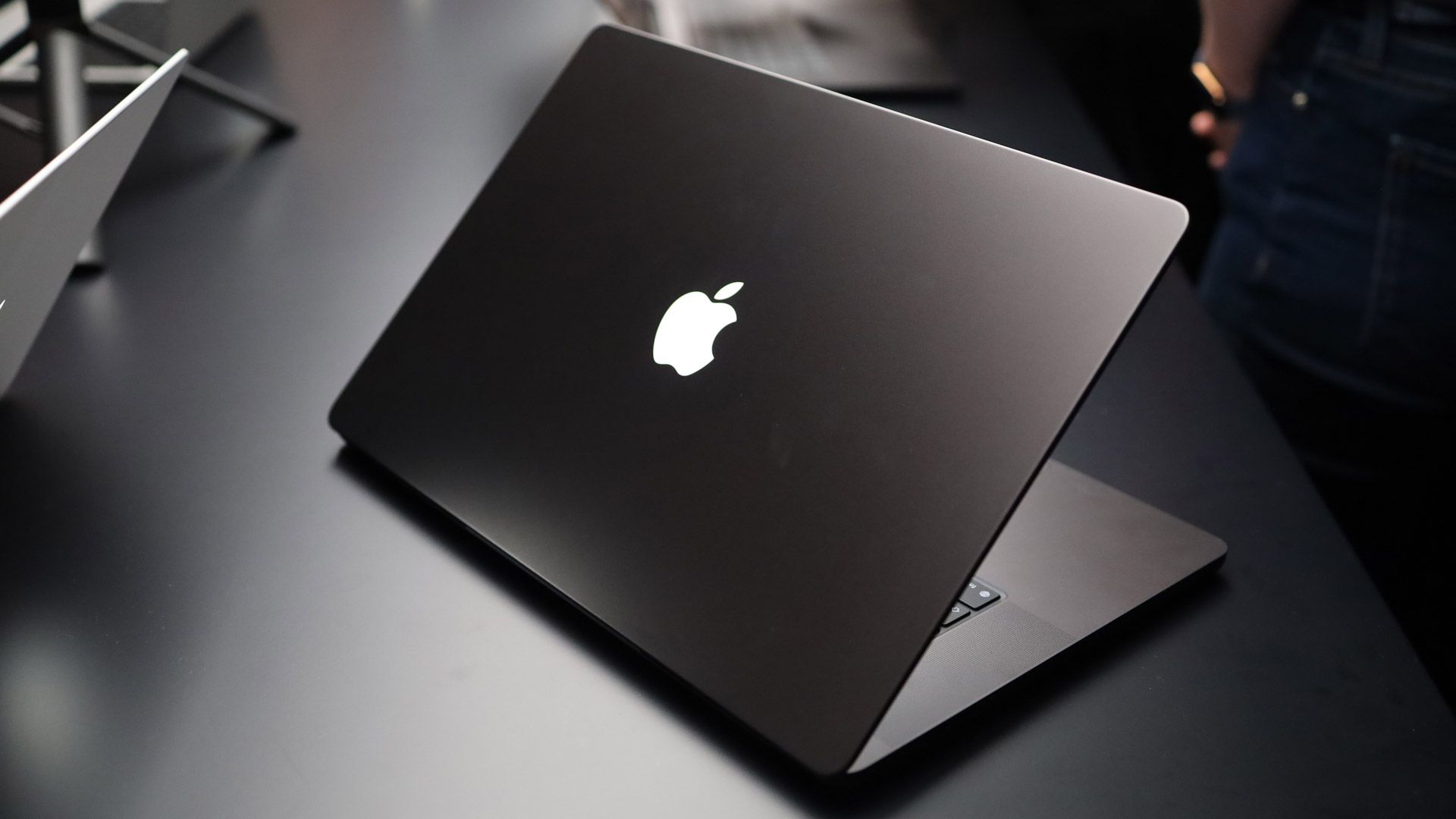
Memories of the old glow: How did it work and why did it disappear?
To understand the value of the return of this logo, we must remember how it originally worked; the old Apple logo was not equipped with an independent lighting unit or its own LEDs. Instead, it was simply a translucent plastic cutout in the metal lid that drew its light directly from the display’s own backlight system. The more you turned up your screen brightness to watch a movie or get work done, the brighter the Apple logo shone at everyone sitting across from you.

However, this clever trick clashed with Apple’s race toward extreme thinness. With the transition to modern Retina displays and ultra-thin chassis designs, keeping an open window on the back of the screen became an engineering nightmare that threatened the structural integrity of the lid. Worse, if bright, direct sunlight hit the back of the open logo, the light would penetrate the layers and appear as a faint, distorted spot in the middle of the display from the front, forcing Apple to draw the curtain on this classic feature.
MacBook Pro with a touchscreen: Breaking the taboo in Apple’s philosophy
Apple’s stance on equipping laptops with touchscreens has long been firm; Steve Jobs once described them as uncomfortable and causing arm fatigue. But with the significant evolution in user interfaces and the convergence of the macOS and iPadOS ecosystems, users have begun demanding the flexibility of direct interaction with the screen, especially creators and designers accustomed to touch and the Apple Pencil on iPad Pro devices.

The shift toward touchscreens in upcoming MacBook Pro devices requires a comprehensive re-engineering of the entire display lid; the screen is no longer just a static display panel, but a surface that requires extreme rigidity to withstand finger pressure without wobbling or bending, and this is precisely where this shift intersects with the return of the glowing logo.
The engineering secret behind the return of the glowing logo
The return of the glowing logo on MacBook Pro devices equipped with touchscreens will not rely on the old, naive technology, as relying on light passing through the screen has become completely impossible with the expected transition toward OLED technologies or highly complex panels. The secret lies in patents recently filed by Apple for independent and intelligent backlight layers.

Instead of a simple cutout, the new technology relies on integrating a one-way mirror or a microscopic reflective layer supported by independent, highly efficient, and low-power lighting elements, such as micro-LED units. This solution gives Apple the ability to make the logo look like a luxurious metallic mirror when the device is closed, and glow softly and intelligently when the user opens their device, without affecting the thickness of the chassis or the color accuracy of the sensitive touchscreen.
Source:

Leave a Reply