It seems that Apple’s upcoming HomePod is currently living in a gray area, and the reason? The delay in upgrading the personal assistant Siri with artificial intelligence. Honestly? This delay might be the best thing that has happened to the anticipated HomePod 3. Before Apple unveils the new generation, there are real gaps that make this smart device seem much less intelligent compared to its competitors.
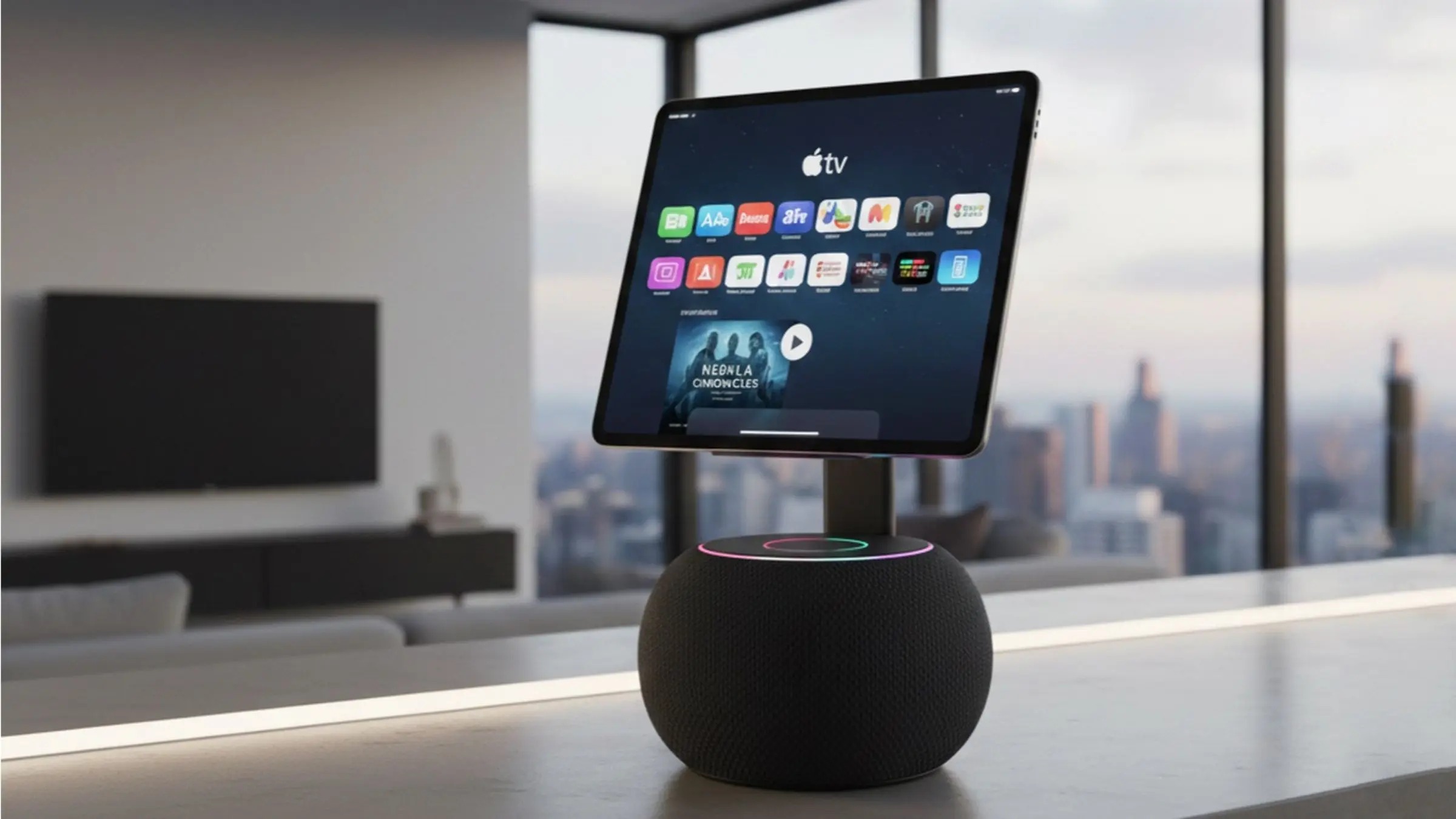
The problem with the HomePod has never been the hardware; the sound is stunning and the integration with the Apple ecosystem is fantastic, but the user experience feels like it’s from the last decade! If Apple wants the HomePod 3 to be the heart of the smart home, a faster chip and a shinier design won’t be enough this time.
Siri Desperately Needs a Dose of Artificial Intelligence
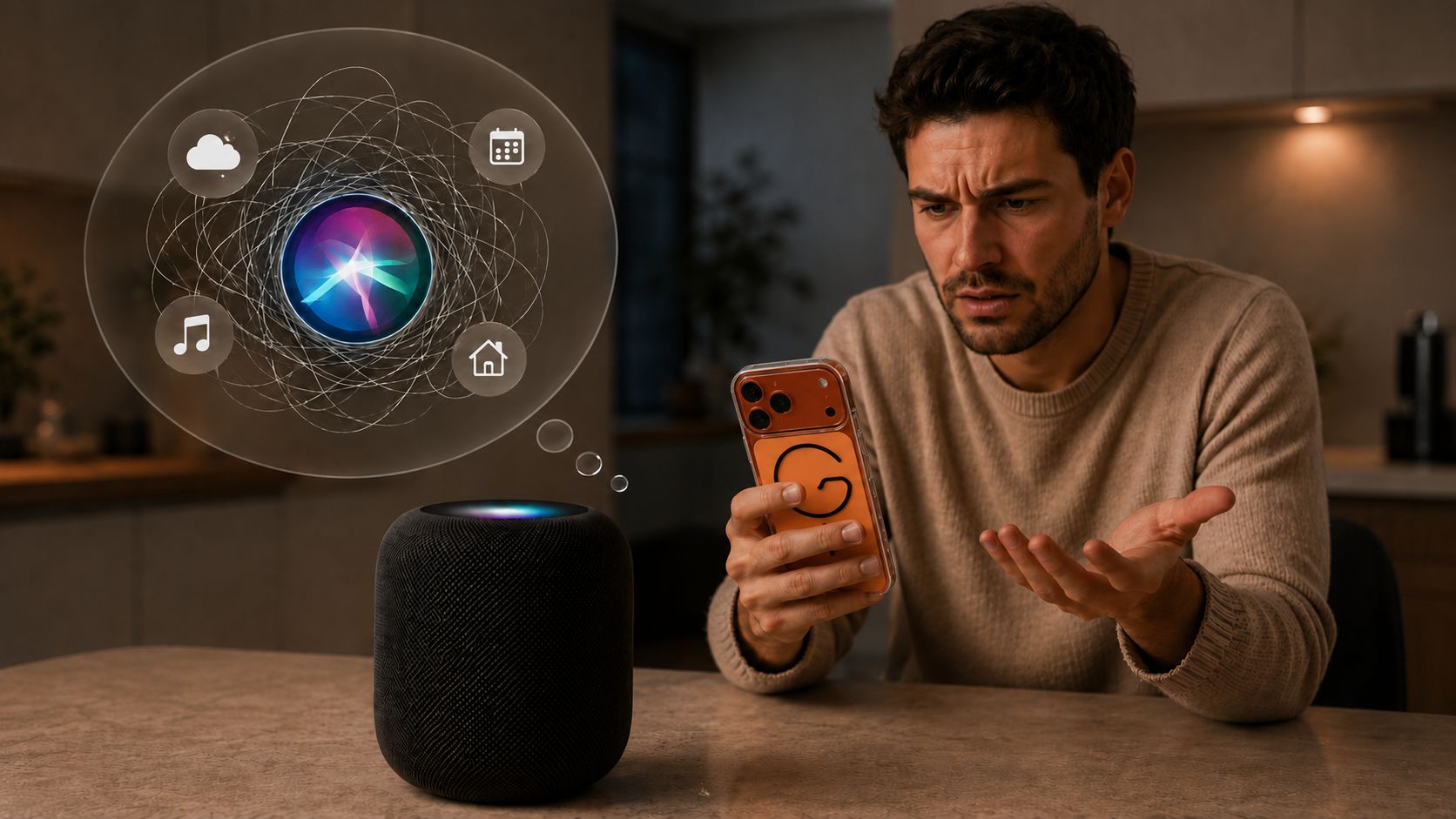
This is why Apple must rebuild Siri entirely based on Apple Intelligence. The HomePod is a device that relies primarily on voice, and if Apple launches it without solving this dilemma, the HomePod 3 will look outdated on the very day it hits the market.
Improving Integration with Spotify and Other Services
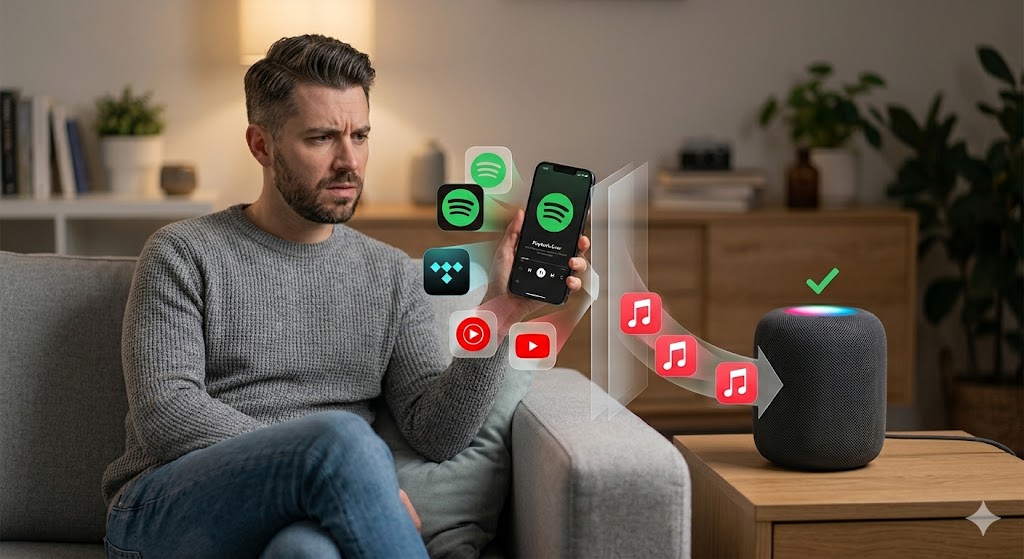
It is no surprise that the HomePod works wonderfully with Apple Music. But as soon as you take one step outside the walls of the Apple ecosystem, chaos begins. Spotify support is currently shaky, and the Handoff feature between devices feels like a game of chance.
Ask Siri to play something on Spotify or Tidal, and you will often encounter an error or be forcibly redirected to Apple Music. Perhaps this monopoly was acceptable five years ago, but selling a smart speaker for $299 that does not integrate seamlessly with the world’s most popular music services is frustrating for users. With the HomePod 3, Apple must treat Spotify and YouTube Music as primary options without the need for tricks or workarounds.
A Real Screen Would Turn the Device into a Practical Masterpiece
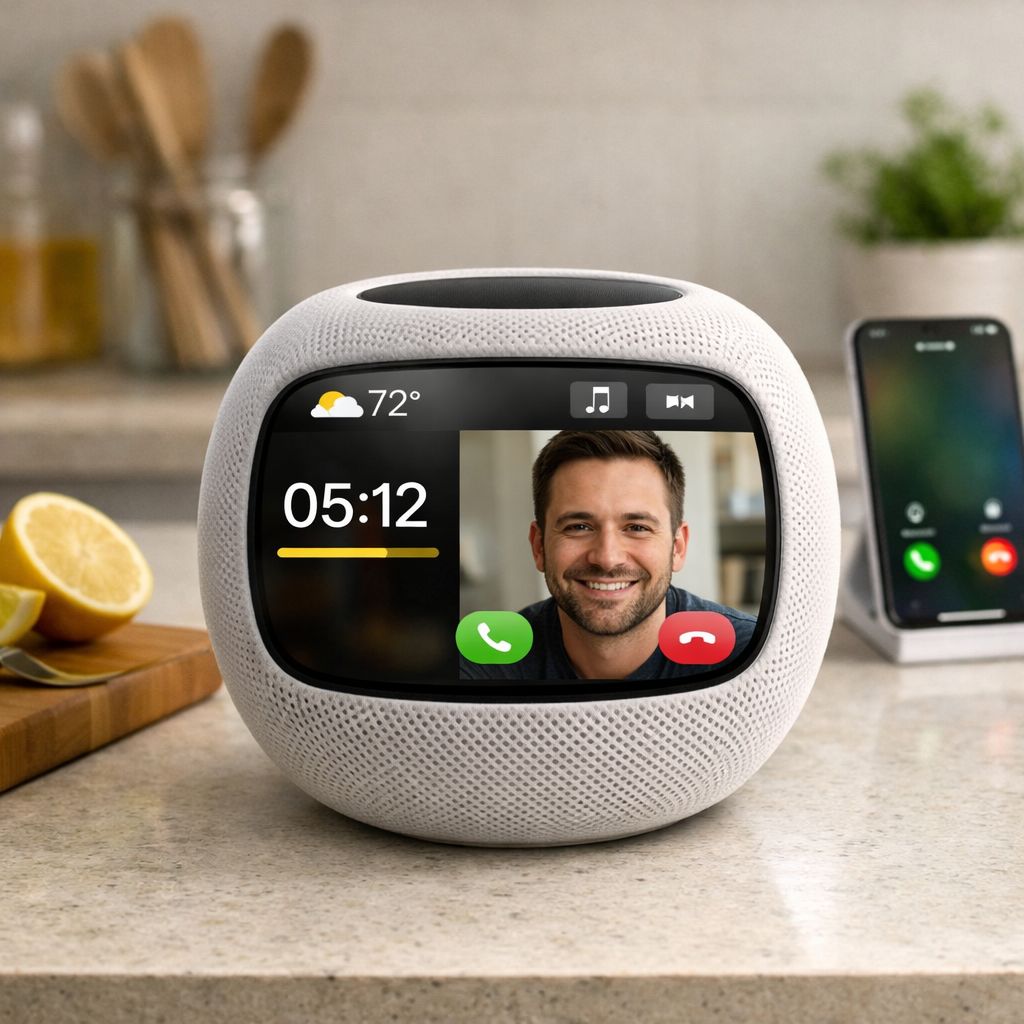
While smart speakers from competitors come with interactive screens, the HomePod still lives in a world of pure sound, a gap that has become hard to ignore. Adding a screen to the device is not a compromise, but a long-awaited feature. The screen would turn the HomePod into a true hub for the kitchen or living room, where you can clearly see cooking timers or make FaceTime calls without needing to hold your iPhone.
Launching the HomePod 3 in 2026 without a screen would be a very stubborn move. Also, the screen would give Siri a place to display her answers instead of them evaporating into thin air. This is where Apple can excel; most competitors’ screens look cheap and plastic, and an Apple screen with its sophisticated design and integration with Apple Intelligence would easily sweep the market.
The HomeKit Platform Still Needs Stability
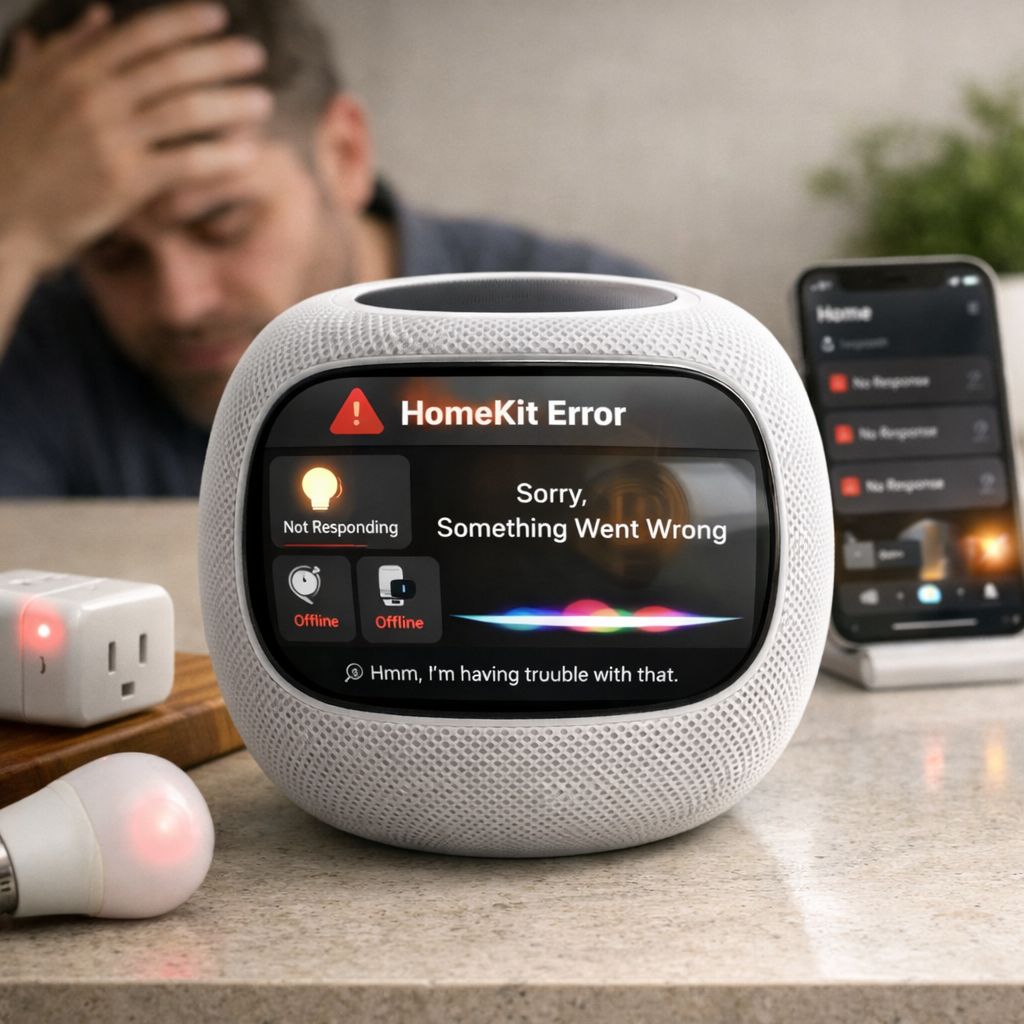
Apple has long marketed the HomePod as the primary hub for managing your smart home. Although the idea sounds tempting on paper, the actual reality is complex and full of bumps. HomeKit-compatible accessories are abundant, but automations sometimes fail for no clear reason, leaving Siri to answer you with her famous and provocative phrase: “Sorry, something went wrong.”
The magic of the smart home lies in its complete reliance on smooth operation; as soon as you have to open the Home app on your phone because the speaker refused to respond to your voice command, that magic disappears completely. The HomePod 3 must offer a more reliable and stable version of the HomeKit platform.
Voice Recognition Should Be More Personal and Reliable
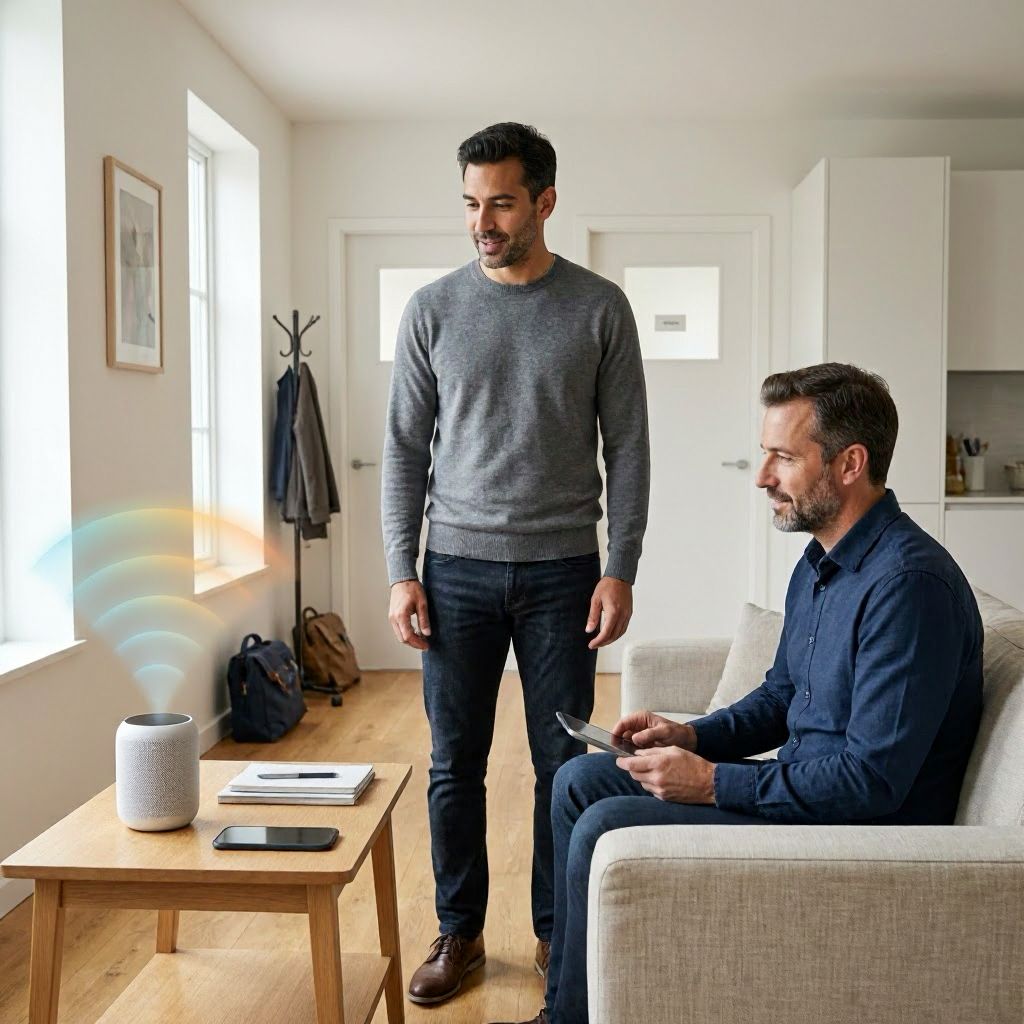
The HomePod can currently recognize different voices to provide personalized answers, but in practice, the device sometimes gets confused or refuses to provide personal information for privacy reasons. The HomePod 3 must understand who is speaking to it immediately and accurately to provide a personalized experience for every individual in the house.
For example, the device should know which office the user is currently heading to in order to provide them with their specific traffic updates, or play the music his wife prefers as soon as it hears her voice. These details seem small, but they represent the essence of a smart product. Apple Intelligence promises to deliver this personal and secure experience, and if Apple fails to achieve this on its own speaker, that would be a real problem.
Source:
Leave a Reply