Despite the immense popularity that iPhones enjoy around the world, they are not the ideal choice for every user. Choosing a phone does not depend solely on the brand, processor power, or camera quality; it is linked to your daily usage habits, your actual needs, and even the budget you are willing to spend. It can be said that the ongoing debate between iPhone and Android users will not end anytime soon, because each system has real strengths that attract a specific group of people. But setting aside technical fanaticism and superficial comparisons, we will take you on a quick tour to explore practical reasons why an iPhone might not be suitable for you, regardless of its high quality.
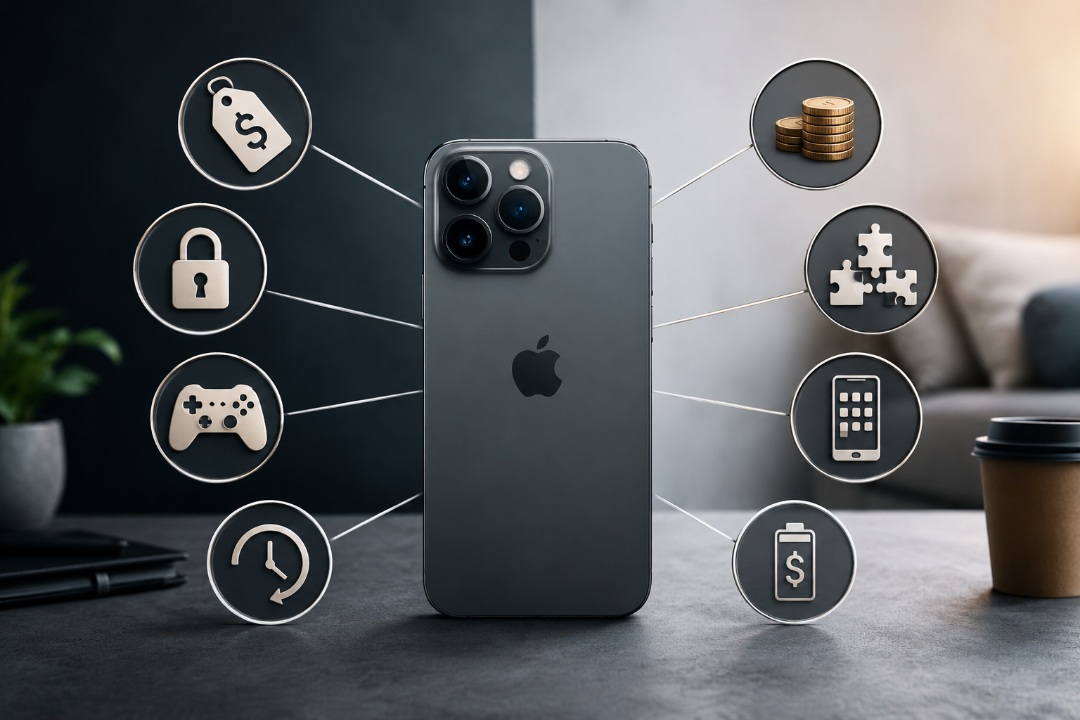
Price vs. Value
In the flagship category, the prices of phones have become quite similar, but the problem arises when you look at what you get for the amount you pay. Apple still reserves some essential features only for its most expensive phones, while Android companies offer them in their lower-priced models.
For example, many mid-range Android phones now offer high-refresh-rate screens, multiple cameras, massive batteries, and fast charging speeds—things you might have to pay much more for within the Apple ecosystem.
As for the budget category, it is almost entirely dominated by Android, where you can buy a low-priced phone that offers a stable experience and specs suitable for most users, whereas Apple’s cheapest phones are still expensive compared to what competitors offer.
Therefore, if you are looking for the best value for money rather than just a brand name, you might find Android options more compelling.
The Closed Ecosystem
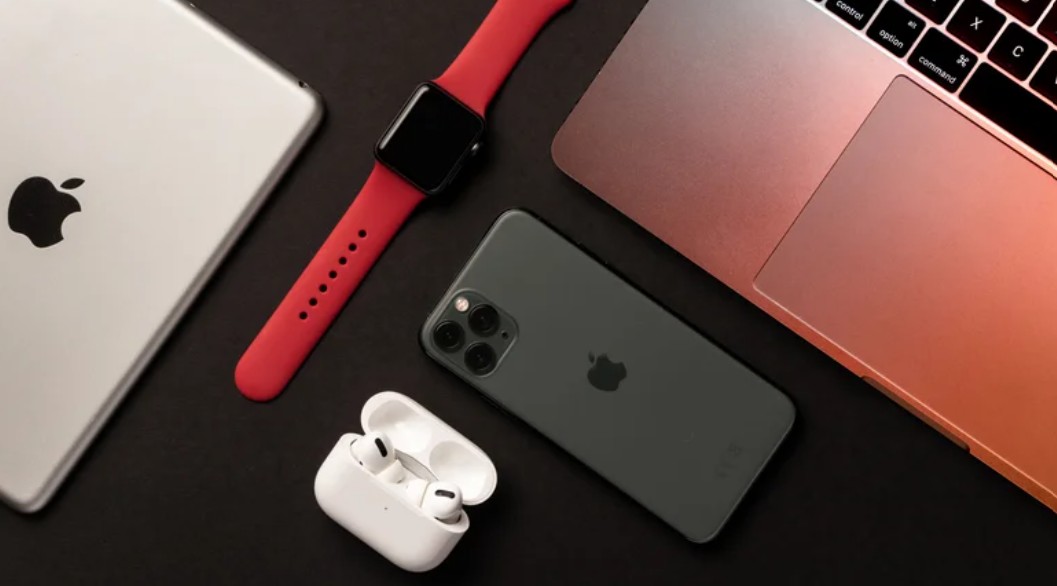
One of Apple’s greatest strengths is also one of its most notable weaknesses. The integrated ecosystem provides a very smooth experience when you own multiple devices from the same company, but it can turn into an annoying restriction if you use products from other companies.
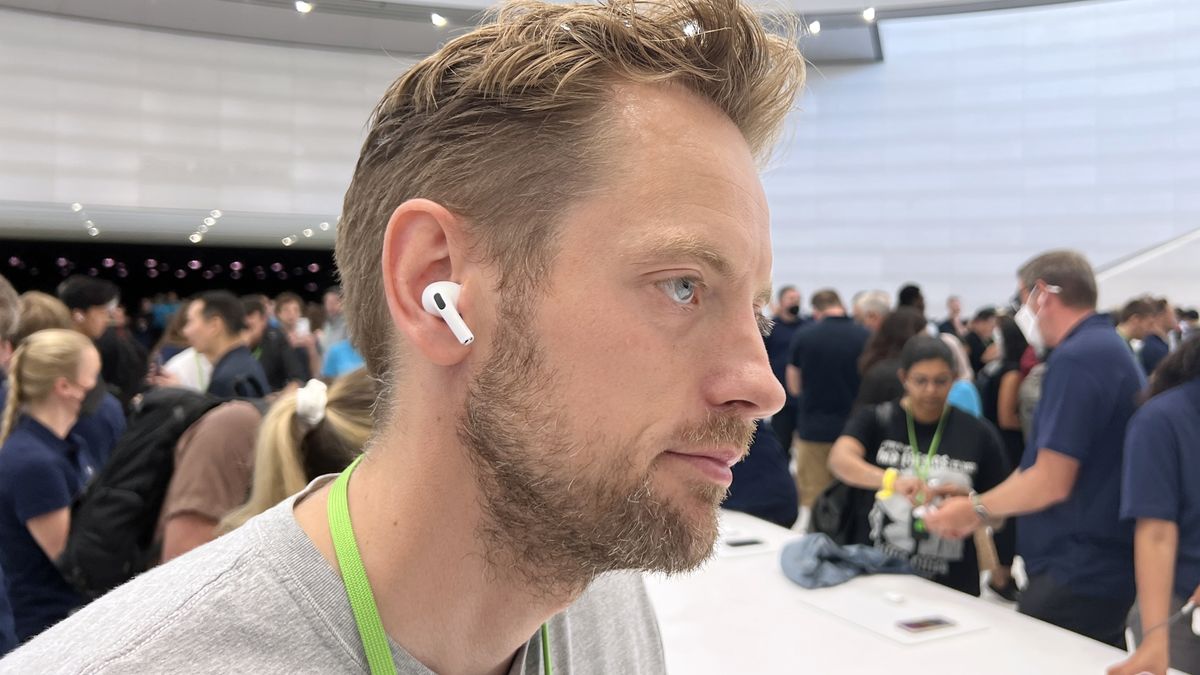
Many of the iPhone’s true features only work at full capacity within the Apple ecosystem. File transfers, data syncing, cross-device control, and even some daily services become more convenient when you have a Mac, AirPods, and an Apple Watch.
However, if you rely on a Windows PC, headphones from a different company, or an Android-based smartwatch, you will discover that part of the iPhone experience that is advertised is not fully available to you.
In other words, buying an iPhone sometimes doesn’t just mean buying a phone, but entering an entire system that may later push you to spend more money on additional devices and services.
iPhone and Gaming
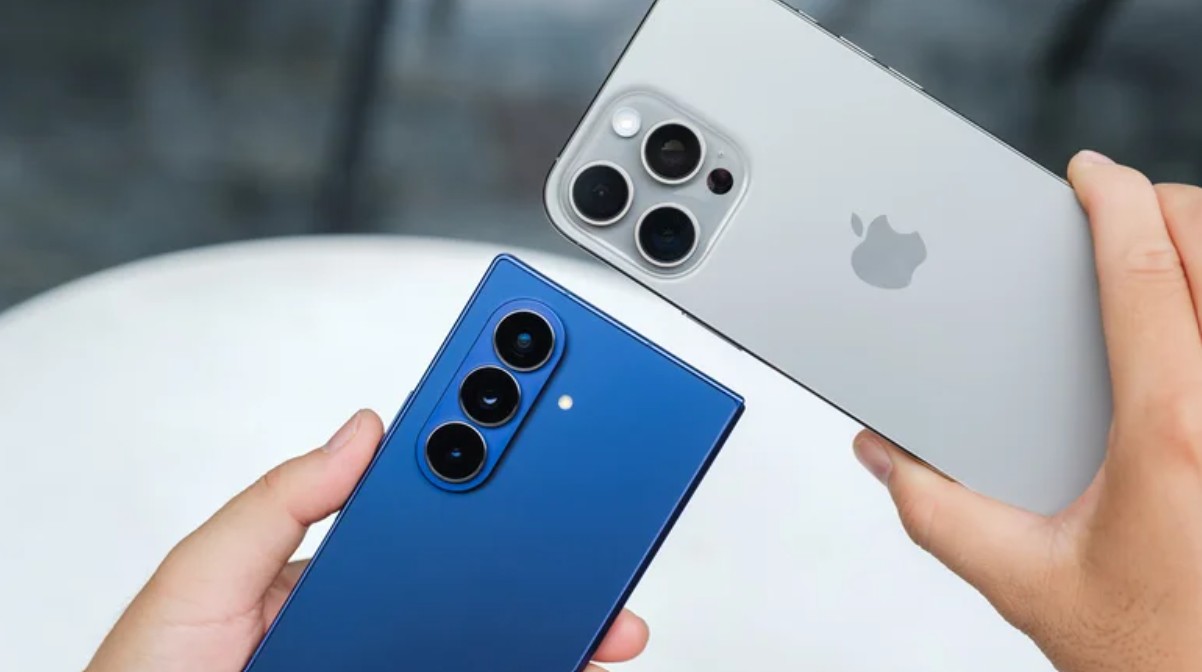
Despite the significant improvement in the performance of Apple’s processors, the iPhone remains relatively limited when it comes to open gaming experiences or running PC games in unconventional ways.
In contrast, some Android phones have begun to approach the concept of a miniature laptop, with the ability to run PC games smoothly to give the user an experience closer to a computer.
On the iPhone, gaming options remain mostly tied to what is officially available within the App Store or via cloud streaming services, which may not be enough for users who enjoy a free experience or modification and customization.
Therefore, if you are a fan of powerful, open-world games or are interested in turning your phone into a comprehensive gaming platform, Android might give you much more room.
End of Support (Clinical Death)
Apple is credited with the long support period for its phones, as it is one of the best companies in this regard. But the problem begins when support officially ends.
In the Android world, there are development communities and alternative systems that allow for reviving old phones and giving them new updates even years after the manufacturer has abandoned them. Some devices can run modern versions of Android despite their age, thanks to open-source projects like LineageOS.
On the iPhone, it’s different. When updates stop completely, the phone becomes clinically dead, and over time, it becomes more susceptible to losing support for modern apps and services without any real alternative solutions.
Not everyone may care about this point, but it is very important for those who prefer to keep their phone for many years instead of constantly changing it.
Hidden Taxes
There is a common impression among developers that iPhone users are more willing to pay, unlike the ‘stingy’ or ‘poor’ Android user (a confirmed fact, of course). This has clearly reflected on the prices of some apps and subscriptions within the App Store.
For this reason, in many cases, you will find apps that are free on Android while being paid on iOS. Or you might find the same subscription at a higher price within the Apple store compared to subscribing from the service’s official website or the Google Play Store.
It can be said that the reason is not just about the users, but also about store policies and the relatively high fees charged to developers, which drives some to increase prices to compensate for Apple’s commission.
These differences might seem simple at first, but over time they turn into an ongoing additional cost that the user feels, especially if they rely on productivity apps or paid services on a daily basis.
In the end, we can confidently say that the iPhone is one of the best smartphones on the market, offering a stable and smooth experience whose quality is hard to deny. But that does not mean it is the ideal choice for everyone. There is a user looking for the best camera, another who cares about price, and a third who wants the freedom of customization, gaming, or using the phone for many years without restrictions. That is why no phone can be considered the best in an absolute sense. The real decision should be based on your own needs, not on the hype surrounding the brand. Sometimes the iPhone is indeed the most suitable choice, and other times Android gives you much more freedom and value for what you pay.
Do you prefer iPhone or Android, and why? Tell us about your experience in the comments!
Source:
Leave a Reply