You look at the bottom of your iPhone every day, and you see a row of small holes that seem like a normal part of the phone’s design. You may have assumed, like many users, that they are all for the speakers or the microphone, without realizing that those openings perform an important function that most users don’t notice, playing a key role in powering features the phone relies on daily. In this article, we reveal the full truth behind these mysterious holes on the iPhone 17 and explore the role they play and why Apple was keen to integrate them this way into the design of its phones.
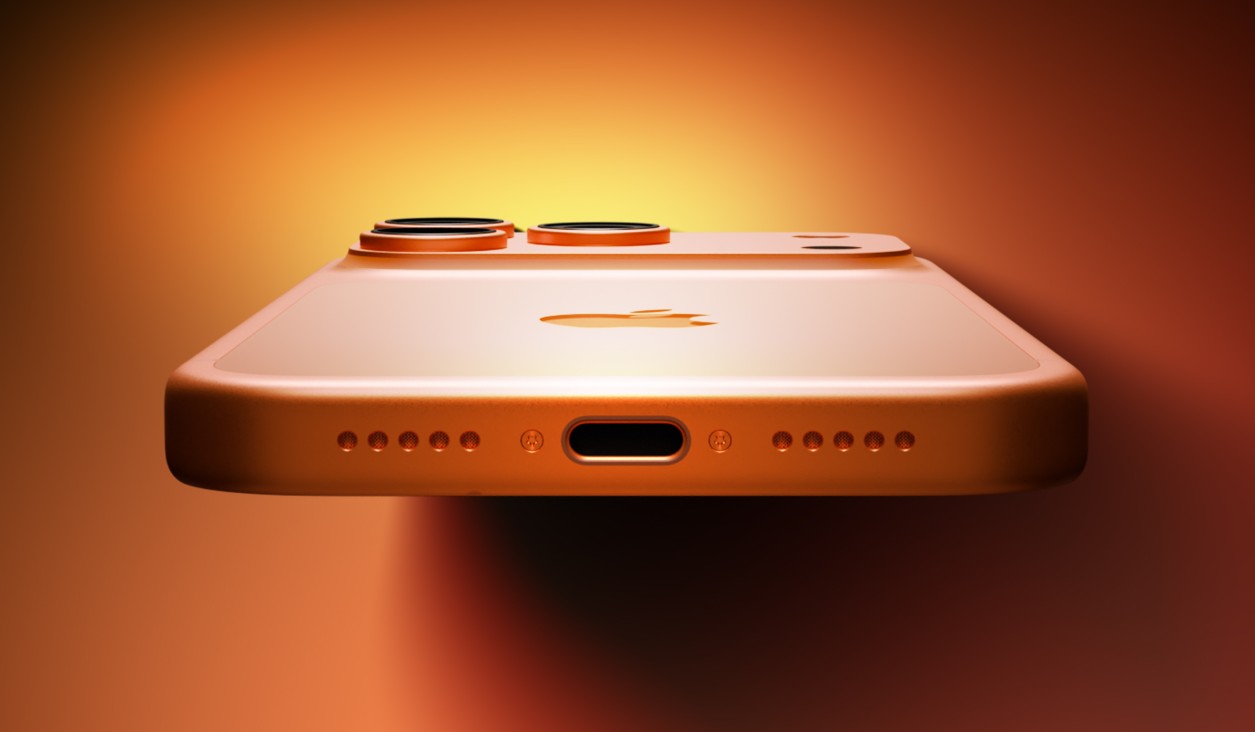
Not all holes are for sound
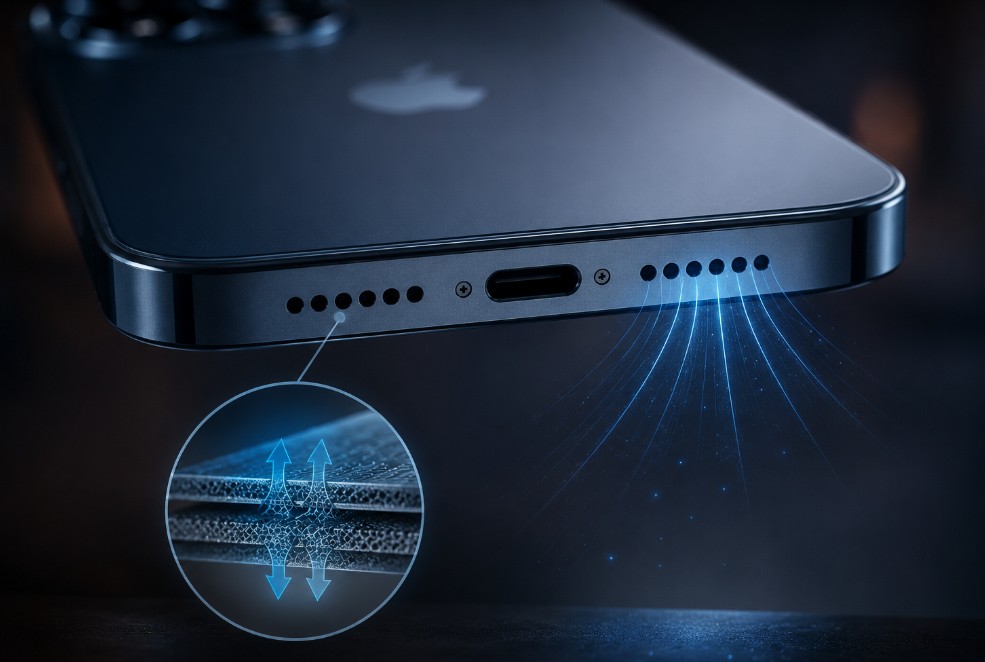
When looking at the bottom of the iPhone, the openings on either side of the charging port look identical, but their functions are not the same. The speaker responsible for playing music and audio clips relies on only one side, while the other side contains ventilation holes for the barometric pressure sensor (barometer), an important component inside the phone that helps collect data about the surrounding environment. Apple designed these openings to allow only air to pass through, while providing protection to prevent dust, dirt, and water from entering the device, unless the openings are damaged or directly punctured.
Why does the iPhone need a barometer sensor?

The iPhone relies on the barometric pressure sensor, or barometer, to perform a number of functions that work in the background without the user noticing. When using weather apps, the phone can leverage changes in atmospheric pressure to help analyze weather conditions, as high pressure often indicates stable weather, while a drop may be an indicator of approaching rain or storms. Rapid changes in pressure can also provide early indicators of changing weather conditions.
It is not limited to weather; this barometer sensor also helps determine altitude above sea level more accurately, which is utilized by walking, running, and hiking apps, as they can calculate the change in elevation during movement and improve physical activity data.
A design that combines function and appearance
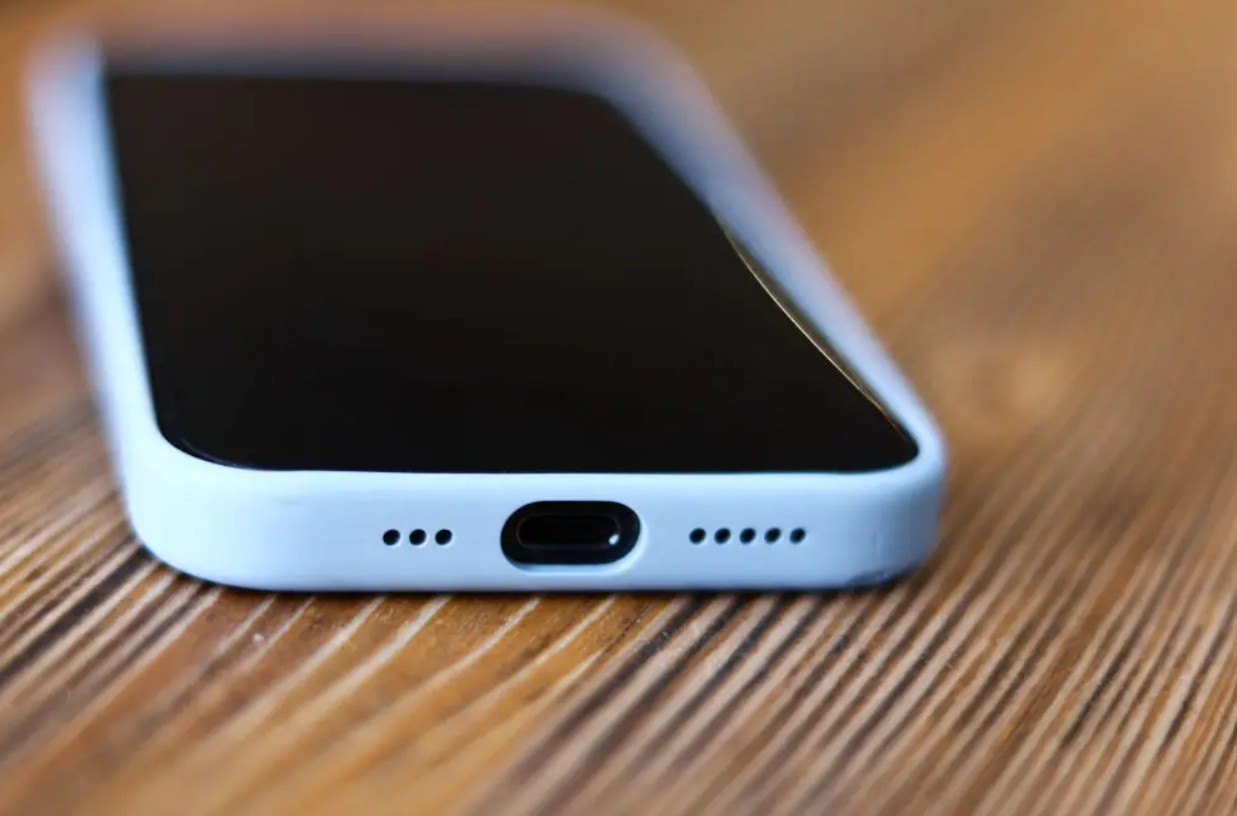
In addition to their technical role, Apple ensured that the bottom openings look symmetrical in design, even if they do not perform the same function. This symmetry gives the iPhone a more balanced and elegant appearance, while hiding behind it one of the components the system relies on to perform a number of important functions.
Privacy indicators you might not notice

The barometric pressure vents are not the only hidden feature in the iPhone, as the device also includes privacy indicators that appear at the top of the screen in the form of colored dots to alert the user when certain sensitive components of the phone are being used. The green dot appears when an app is using the camera, while the orange dot indicates that the microphone is active, and the blue dot indicates the use of location services.
These indicators are a quick way to know if an app is accessing the camera, microphone, or location at the moment, which helps the user detect any unexpected use of these permissions. If you want to know which app is responsible for any of these indicators appearing, simply open the Control Center by swiping down from the top-right corner of the screen, and the system will display the name of the app using the camera, microphone, or location at that moment.
We have reached the end of our article after learning about the purpose of the holes at the bottom of the iPhone. It can be said that those small openings may seem like just a part of the phone’s design, but in reality, they perform an essential function as they help the barometer sensor work efficiently, which is reflected in the accuracy of weather data, altitude, and tracking various activities. This is the secret of Apple’s success, where its philosophy lies in integrating advanced technologies into a simple and elegant design. What the user sees as just an aesthetic element may be the key to features that work silently in the background to improve the user experience and the accuracy of some apps and services.
Did you know the true function of the holes at the bottom of the iPhone? Tell us in the comments!
Source:



Leave a Reply