The competition between the iPhone and Android has always been intense, and users switching from one system to another has been a recurring event with every new generation of phones. However, in 2026, the picture looks different. Most users no longer see a real reason to change the system they are accustomed to, despite the significant progress made by Android phones in recent years. And despite Google’s massive investments in Pixel phones and the development of an integrated ecosystem of devices and services, Apple still maintains one of the highest user loyalty rates in the smartphone market. But why? This is what we will find out in this article, as we explore the secret behind why iPhone users stick to their phones despite the power of Android devices.
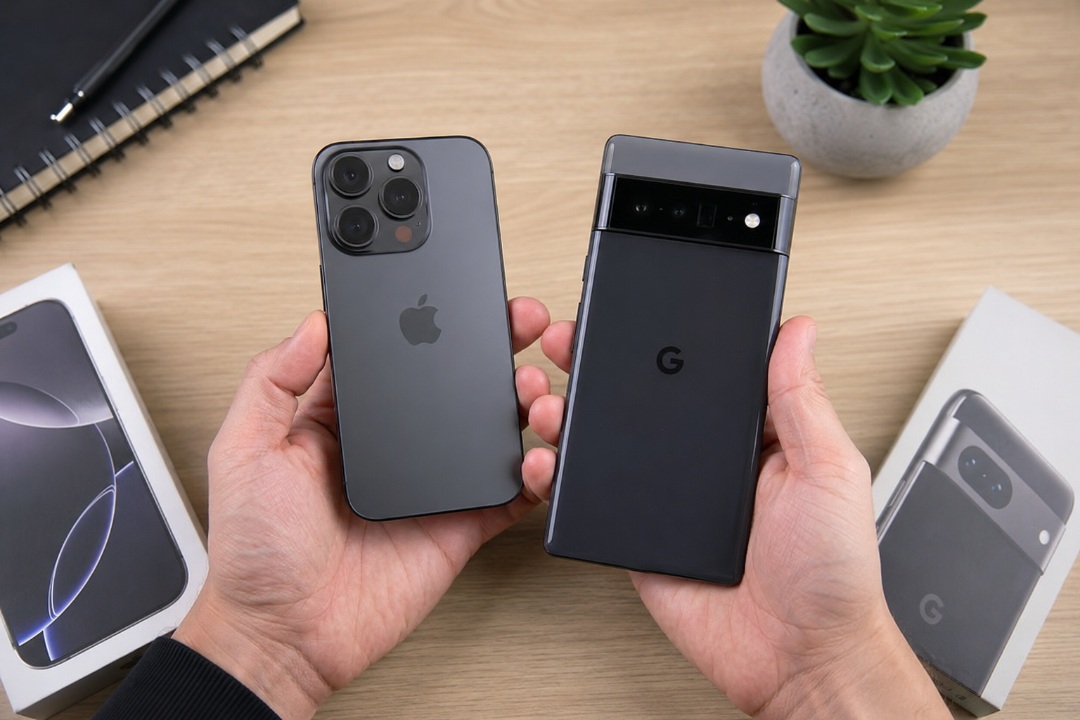
iPhone Dominance
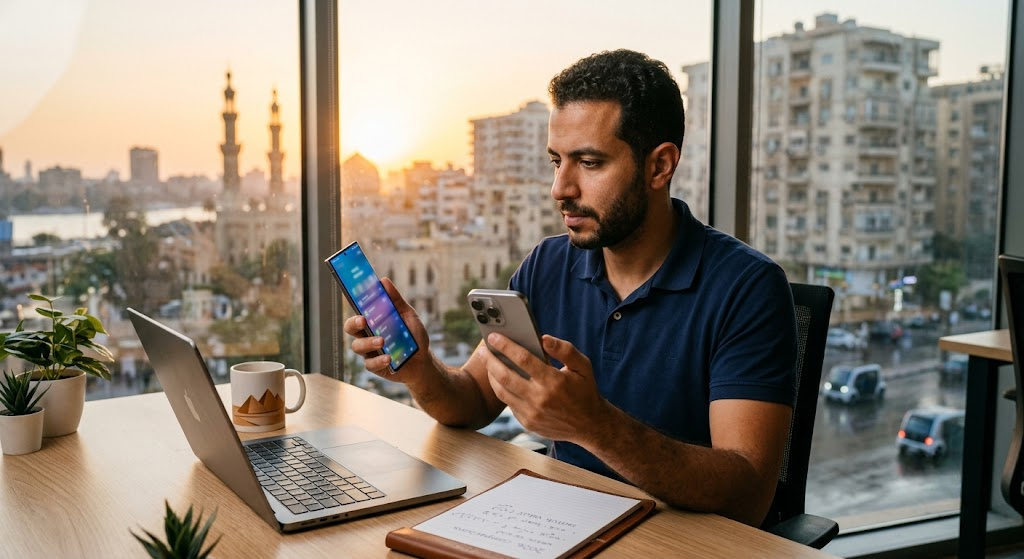
In 2021, I made the decision to abandon the Android system and move to the Apple world by purchasing an iPhone. It can be said that this experience rearranged my priorities regarding what I really look for in a smartphone. Although I still generally recommend that my friends buy Android phones instead of iPhones, I fully understand why most of them ignore this advice. This was confirmed by a report released in March 2026 by the Consumer Intelligence Research Partners (CIRP), which showed that Apple users are holding onto their phones for longer periods than ever before. While Apple’s customer base is known for its extreme loyalty, the recent rise in customer retention rates seems remarkable in light of recent market developments. However, when analyzing the data carefully, we find that the reluctance of iPhone users to switch to Android is not surprising at all.
Development without Purpose
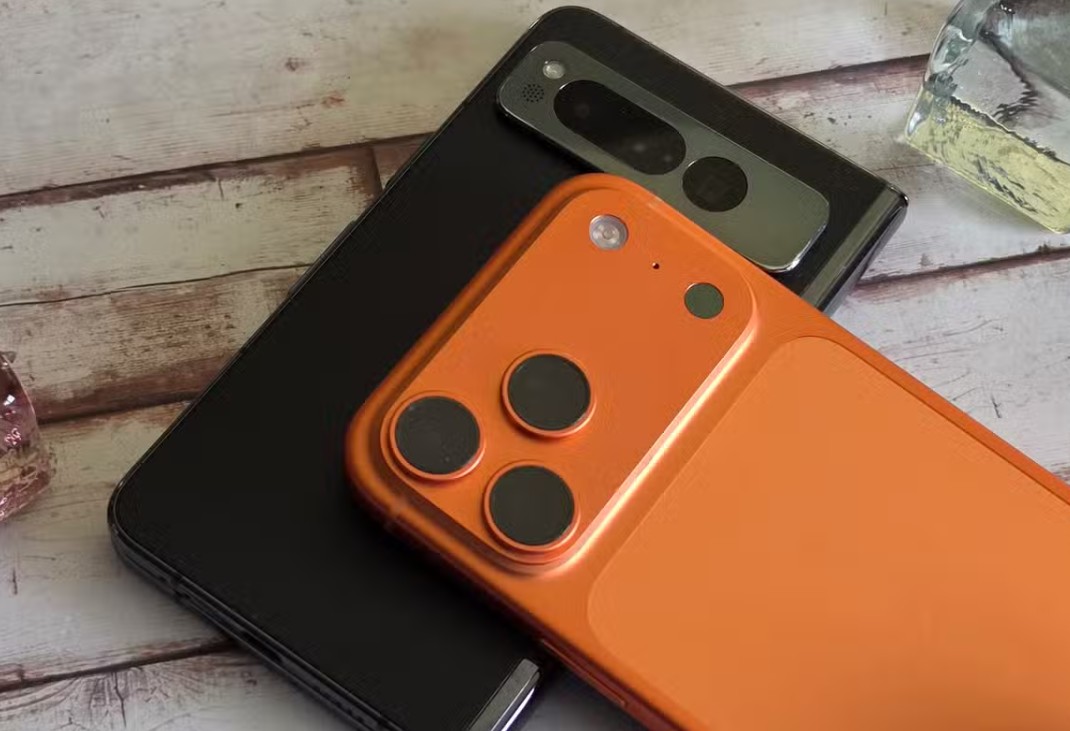
Google has succeeded in turning the Pixel series into one of the best Android phones, especially after the launch of the Pixel 8, as the devices have become more elegant and powerful. The company has also expanded to build an ecosystem that includes phones, tablets, smartwatches, and laptops.
Additionally, Apple’s adoption of the RCS standard helped bridge the gap previously imposed by iMessage, and the Android system has become more mature in terms of design, interface, and ease of use. Despite this, this development has not translated into the number of users switching from iPhone to Android as Google had hoped.
When Leaving Becomes Costly
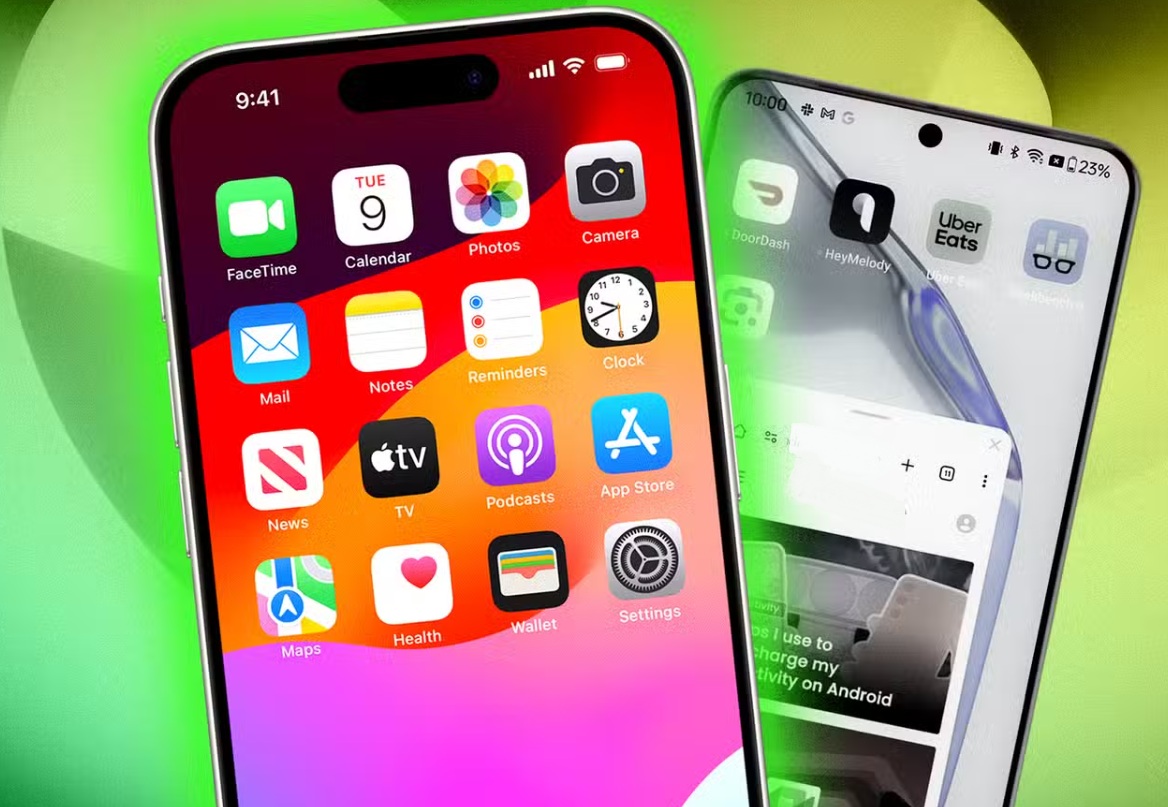
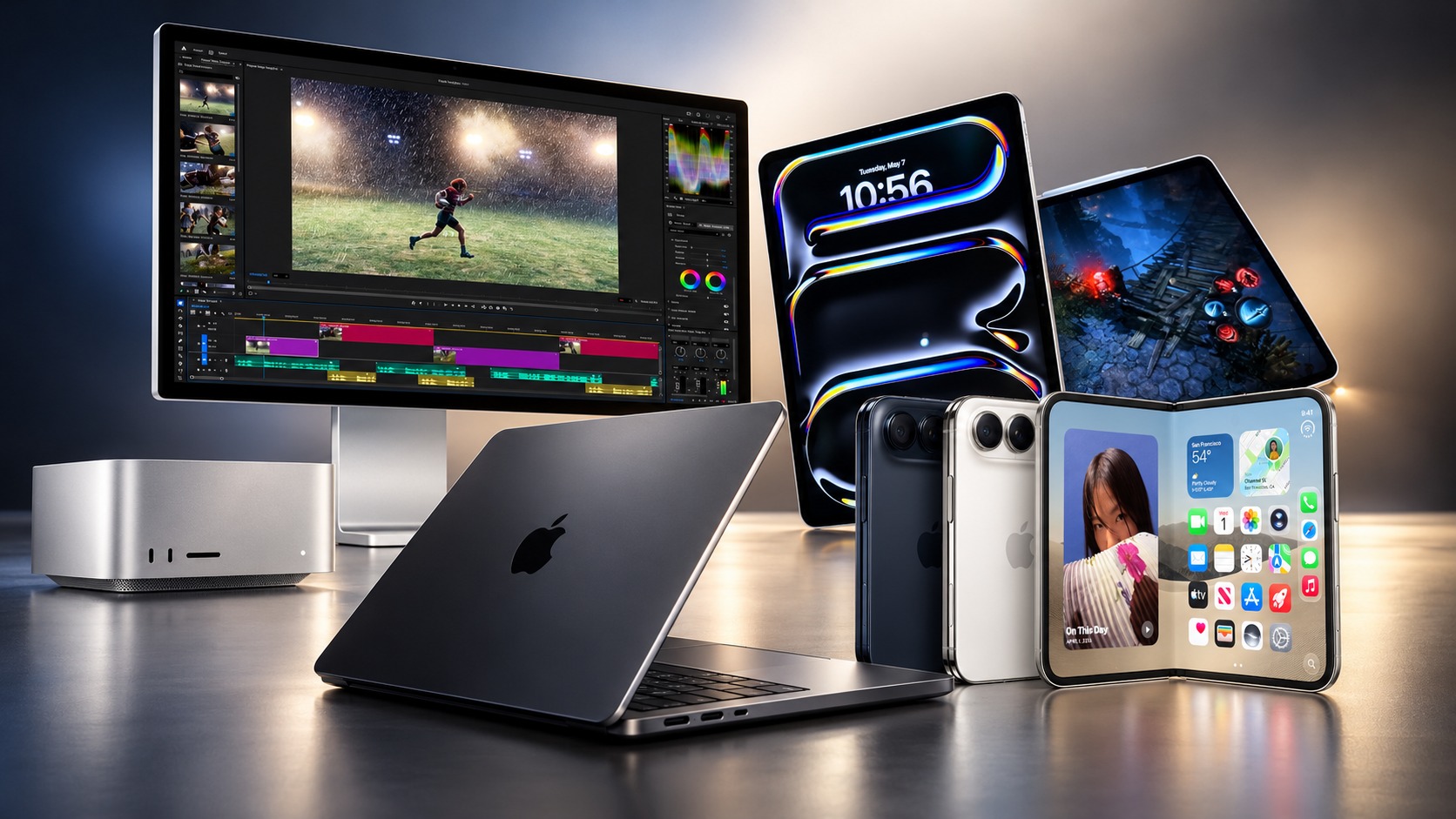
One of the biggest reasons users stay within the Apple ecosystem is the integration between its devices. When a user owns a Mac, iPad, Apple Watch, and AirPods alongside an iPhone, switching to another system becomes a complex decision because all these devices work together in harmony, providing an experience that is hard to give up.
You might ask, what about the user who only owns an iPhone? Why don’t they feel the need to switch to Android? Simply because they find in their phone a stable and easy experience that meets their daily needs without effort. For those who prefer a device that works smoothly from the first moment and do not want to spend time navigating complex settings and numerous customization options, the iPhone remains a comfortable choice that is hard to replace.
Simplicity from the Start
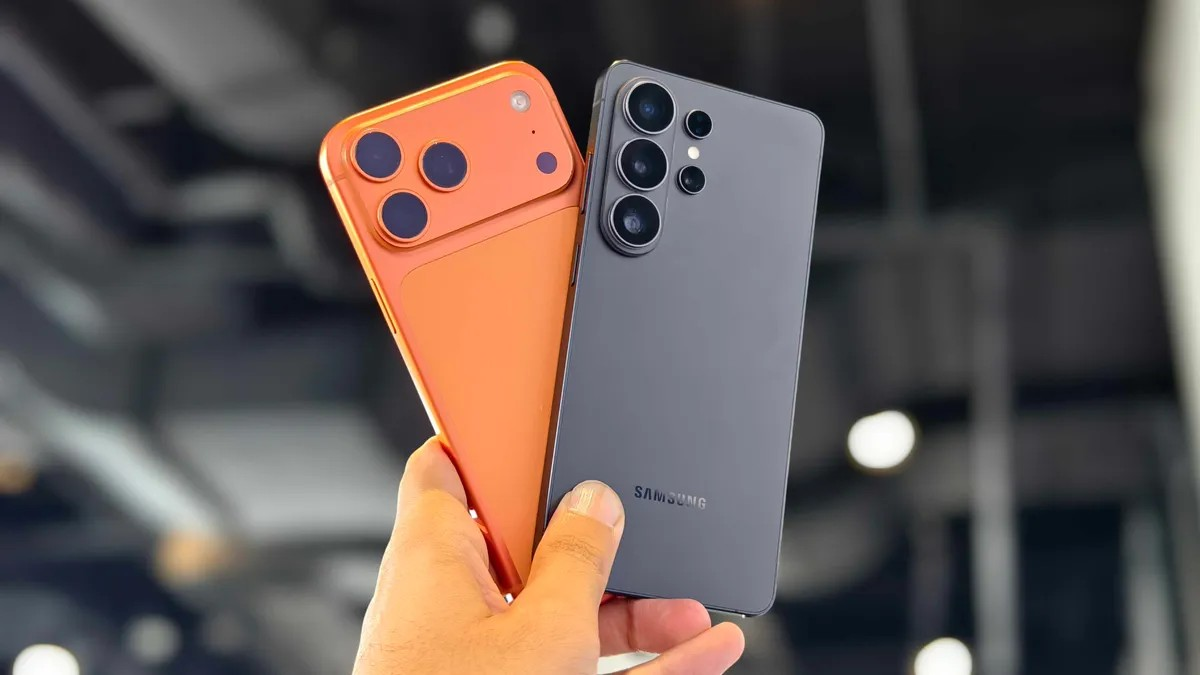
One of the most influential factors in a user’s decision is the initial setup experience. An iPhone user can walk into an Apple Store and walk out 20 minutes later with an iPhone ready to go without any issues. Meanwhile, some Android phones, especially from a company like Samsung, offer a chaotic experience crowded with pre-installed apps, multiple settings, and additional services.
Although the Android system gives the user greater customization freedom, the abundance of built-in apps and services can make the experience less simple for the average user. For this reason, many believe that Pixel phones offer an experience closer to the iPhone philosophy because they rely on a clean interface that is largely free of unnecessary apps.
The Advantage Still Belongs to Apple
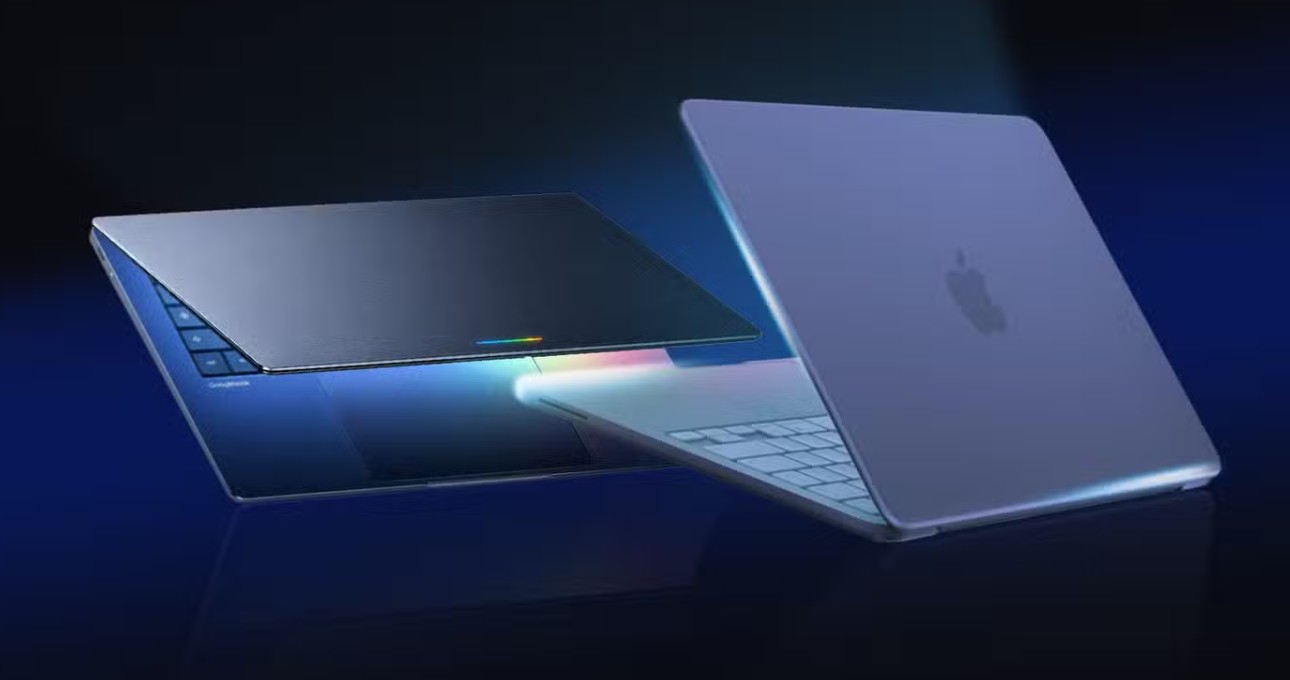
Google continues to work on expanding its ecosystem, as leaks indicate that the Pixel 11 phone and the Googlebook laptop will offer a unified design identity and new features that rely more on artificial intelligence. The Pixel 11 is also expected to receive distinctive design elements like Pixel Glow to unify the company’s device identity. However, even with these developments, many analysts believe that relying increasingly on artificial intelligence features alone will not be enough to trigger the leap that would push iPhone users to change their phones and join Android.
Finally, it can be said that years ago, switching between iPhone and Android gave the user a clearly different experience. Today, the decision has become a matter of personal preference, as smartphones have become very similar in terms of performance, cameras, apps, and basic services. That is why the question is no longer “Which system is better?” but rather “Which one suits your usage style more?” If you are comfortable within the Apple ecosystem, you will not find a strong reason to leave. Similarly, if you are an Android user satisfied with your experience, switching to an iPhone will not be a radical change in how you use your phone.
If you had the choice today, would you stay with the iPhone or switch to Android? And why? Let us know in the comments!
Source:
Leave a Reply