During the Worldwide Developers Conference (WWDC), Apple unveiled iOS 27 and its new suite of systems in a quieter and more integrated manner than usual. Instead of the traditional transition between systems one after another, the company focused on what the unified Apple ecosystem will receive this fall, starting from AI-powered Siri capabilities and advanced Apple Intelligence features, to enhanced child protection tools. While the boundaries between the iPhone, iPad, and Mac have become more blurred with a unified design language, iOS 27 remains the star everyone is waiting for.

iOS 27 supports your old phone… but there’s a catch!
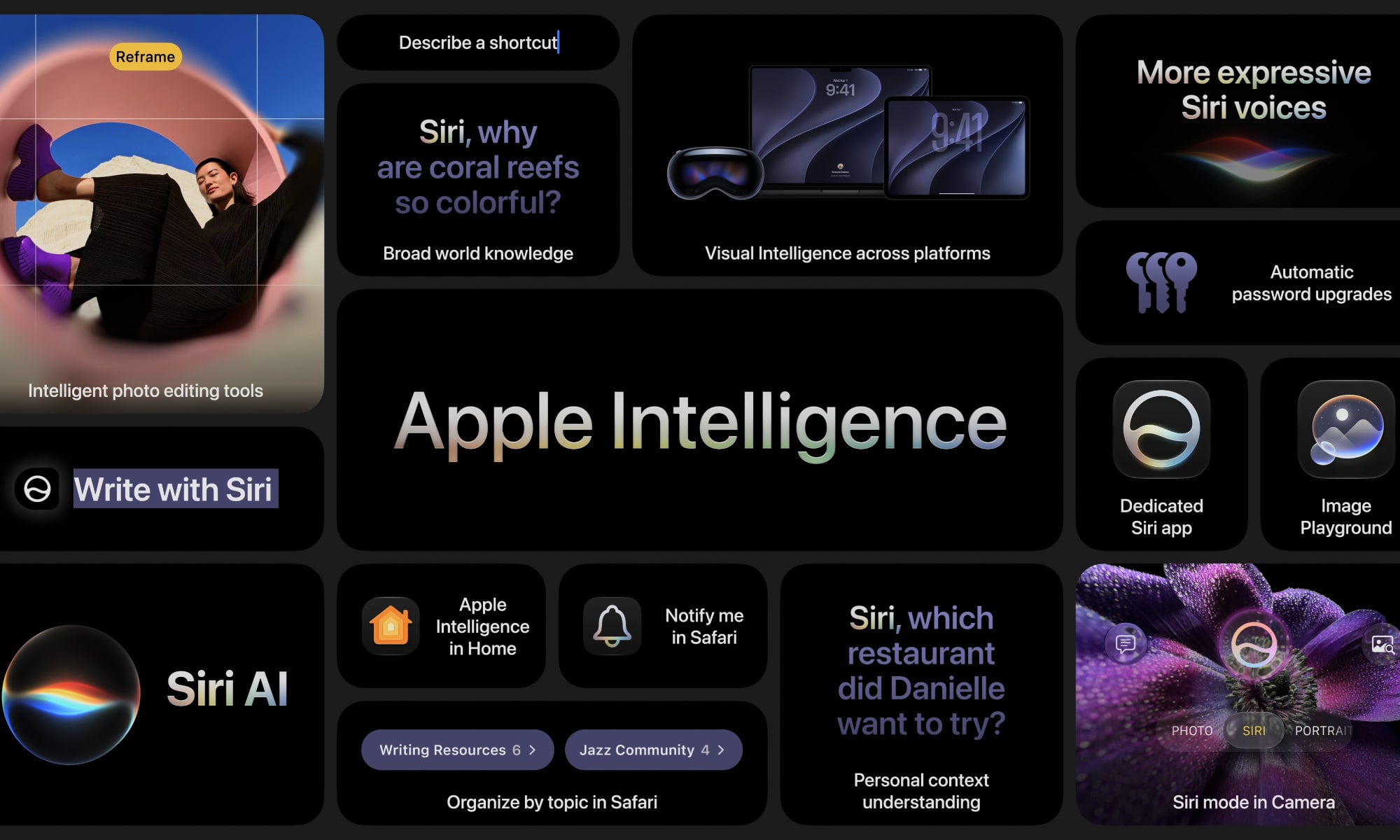
The good news announced by Stacey Ford, Apple’s Vice President of OS Program Management, is that iOS 27 will not abandon any of the phones that were supported in the previous version. Thanks to a new and advanced CPU scheduler developed by Apple, the system will run smoothly even on older phones, dating back to the iPhone 11 series. This means that if your phone is currently running iOS 26, you are fully eligible for the new update.
But wait, no need to celebrate too much! System support does not mean getting all its features. Apple Intelligence features remain exclusive to the iPhone 15 Pro and later models. In fact, this time Apple has decided to raise the bar even higher, making the most powerful and intelligent features require hardware we have only seen in its latest phones.
The 12GB RAM hurdle: Why the iPhone 17 Pro specifically?
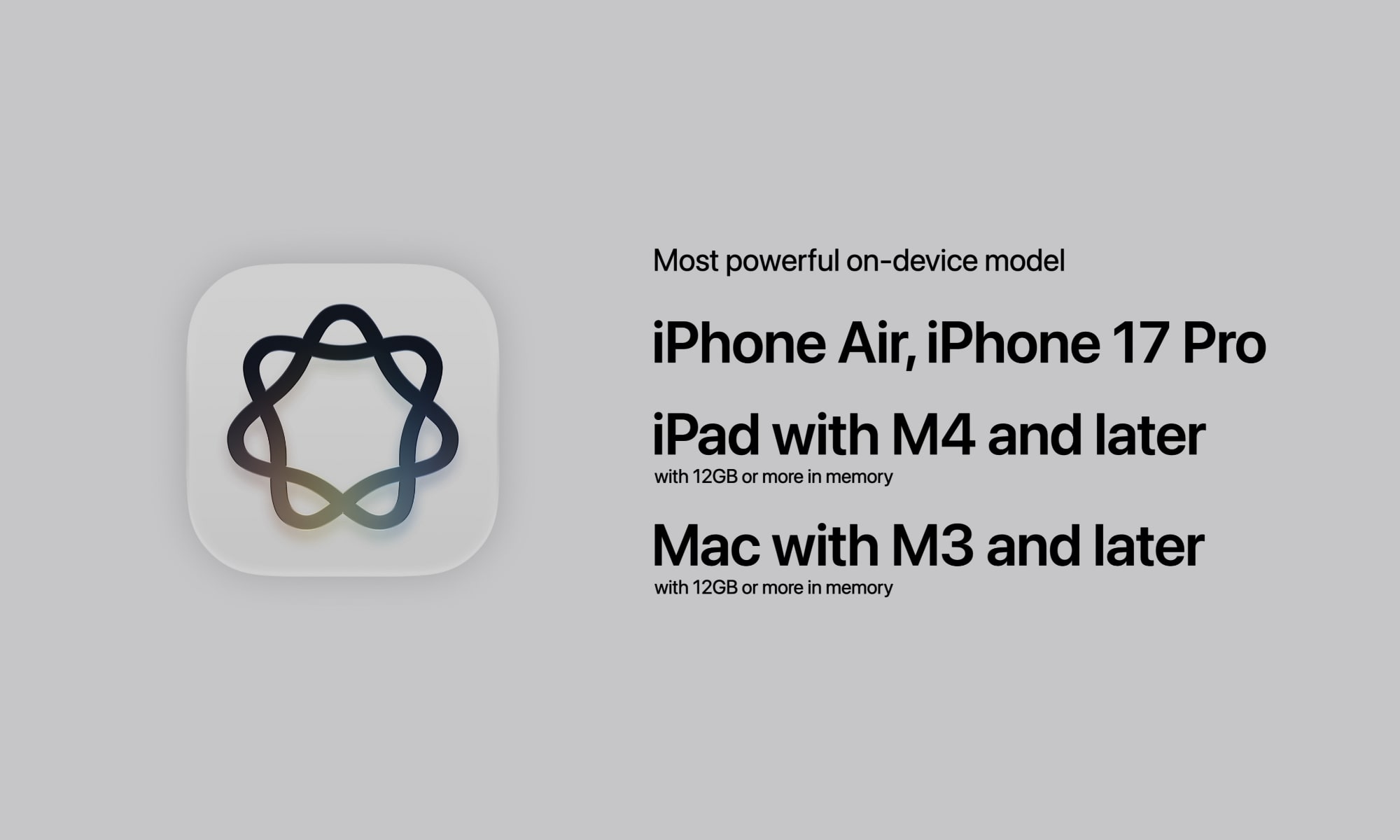
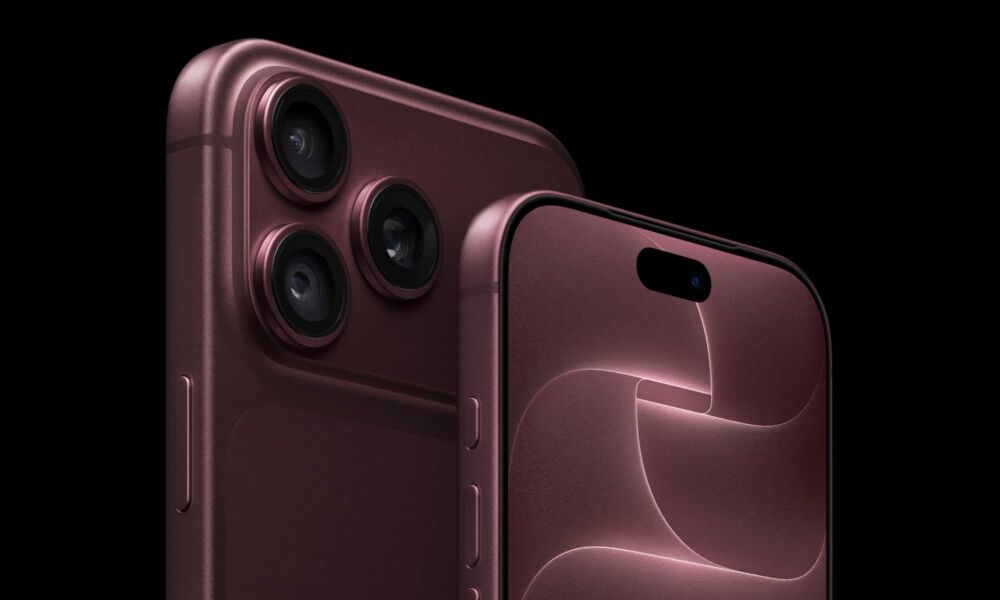
In an unexpected surprise, Craig Federighi indicated that the most advanced AI features, such as new expressive Siri voices and advanced voice dictation, will be limited to only three current phone models: the iPhone 17 Pro, iPhone 17 Pro Max, and the newcomer, the iPhone Air. The reason behind this strict limitation is not so much the power of the processor as it is the capacity of the RAM.
The large language model that runs locally on the device consumes a massive amount of memory, which led Apple to set a requirement of “12GB of RAM or more” to run these advanced features. This requirement clearly explains why the base iPhone 17 is absent from the list, and why Mac devices require M3 processors or later, and iPad devices require M4 processors or later, provided they have at least 12GB of RAM.
For iPad users, this means that advanced AI features will not work on an iPad Pro with an M4 processor unless you have the 1TB or 2TB version (which comes with 16GB of memory), or if you purchase an iPad Air with the new M4 processor, which offers 12GB of memory as standard for all storage capacities.
History repeats itself: The ongoing RAM battle with Apple
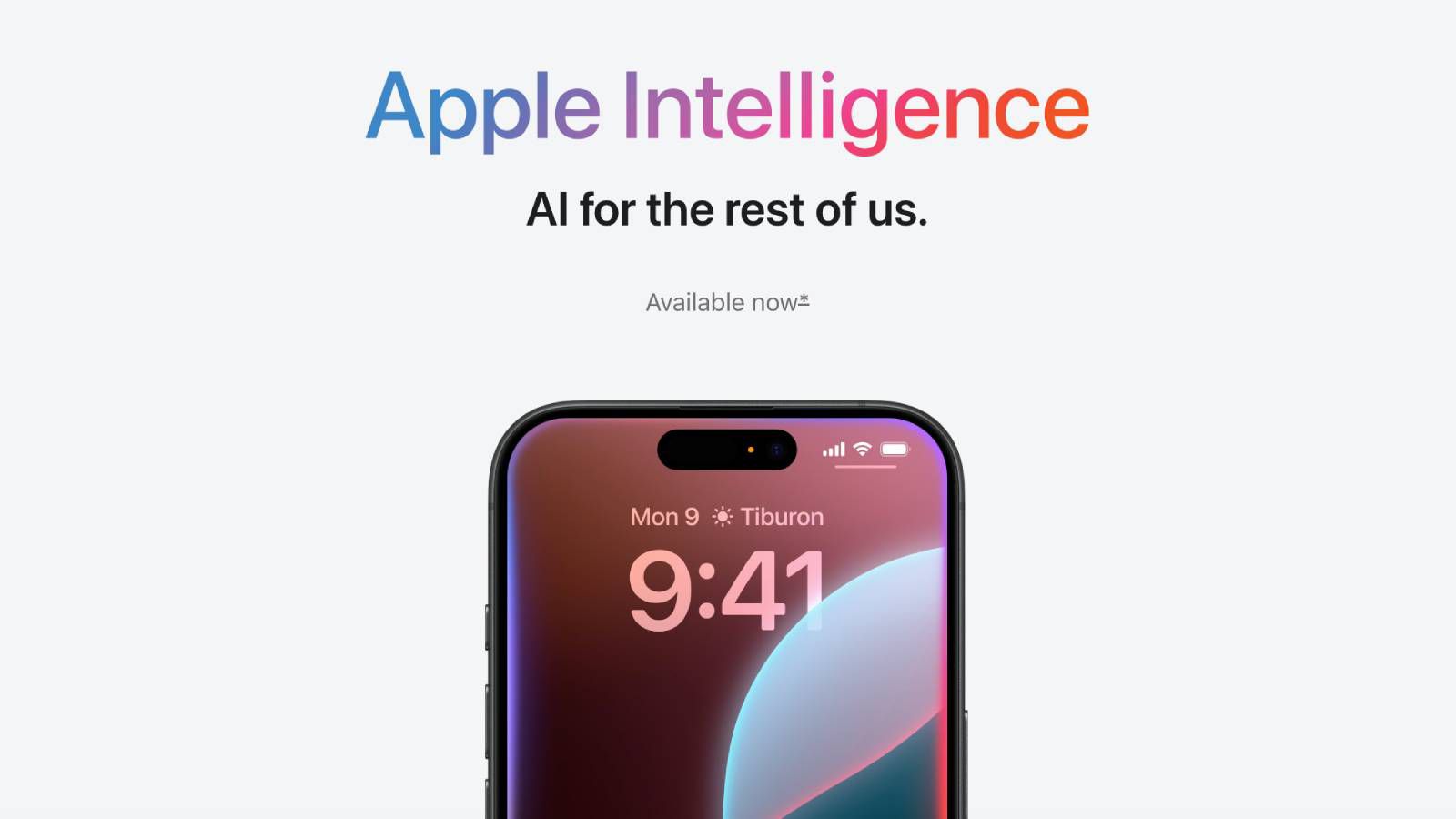
This move brings to mind what happened when Apple Intelligence was first launched in 2024, where it was limited to the iPhone 15 Pro and the Max version, excluding the regular models. At the time, analysts attributed this to the RAM, as the Pro phones came with 8GB of memory compared to 6GB in the regular models.
What is striking here is that the A16 Bionic processor in the regular iPhone 15 has a neural engine that is more powerful by 17 trillion operations per second compared to the M1 processor in the MacBook Air (only 11 trillion operations), yet AI works on the old Mac and does not work on the iPhone 15! The reason is simply the phone’s lack of sufficient RAM for those smart models to breathe.
And now, with Apple’s desire to provide an interactive Siri capable of speaking in a natural tone and with ultra-precise dictation, 8GB of RAM has become a thing of the past, and 12GB has become the new gateway to the future.
Source:
Leave a Reply