Tech enthusiasts have wondered for years: Why is Apple always late to enter emerging markets? And why did they let competitors roam free in the foldable phone arena for nearly a full decade? The answer came decisively and resoundingly during an exclusive interview at Apple Park, featuring new CEO John Ternus and Senior Vice President of Marketing Greg Joswiak, famously known as “Joz,” with the teams from Tom’s Guide and TechRadar. Apple was not ignoring this category of devices; rather, it refused to launch a product of half-baked quality. They waited until they could solve the dilemma that plagued the entire industry: the annoying crease in the middle of the screen, to present the iPhone Duo with a complete experience in both hardware and software.
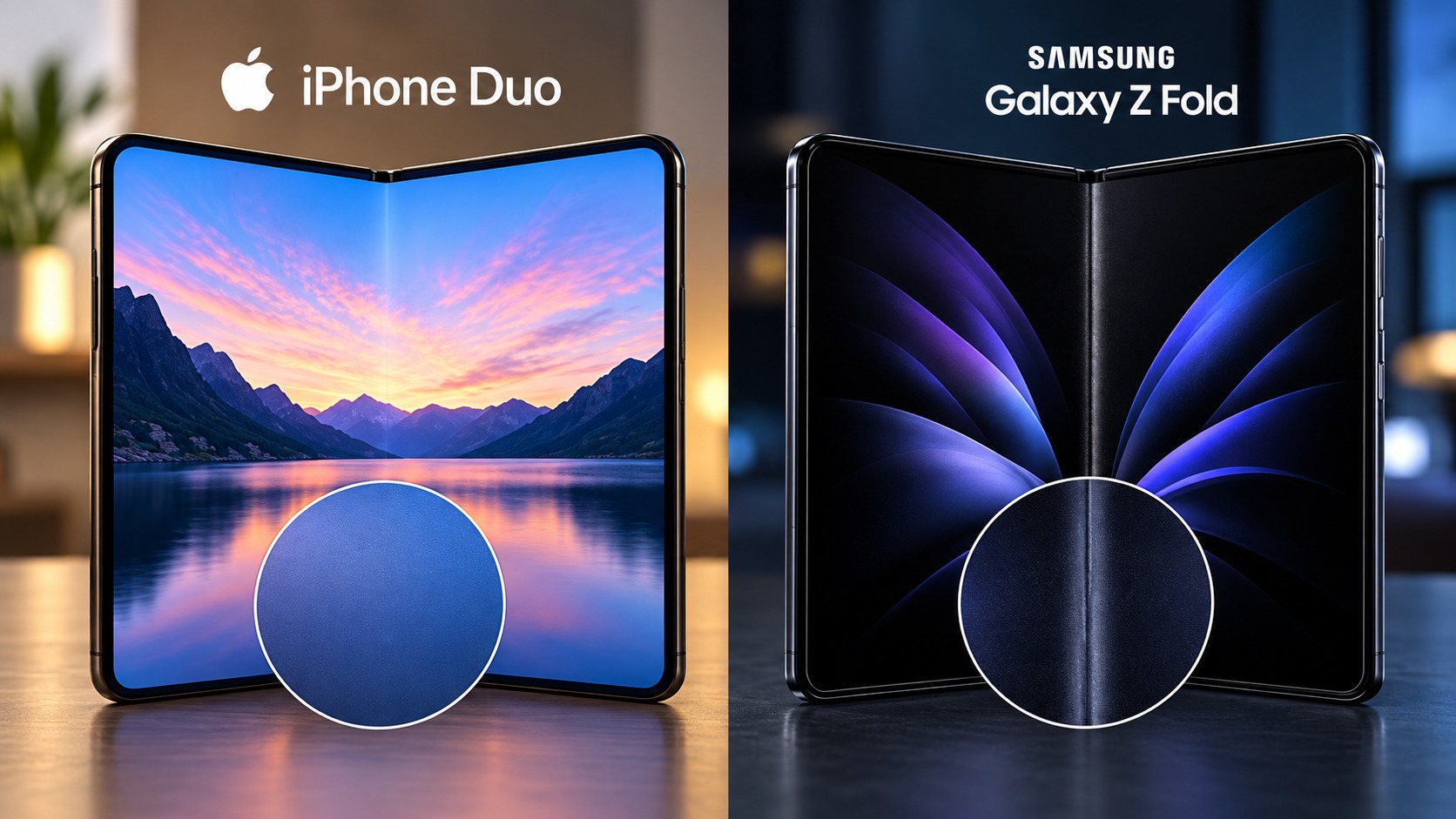
Solving the Crease Dilemma: How Did Apple Achieve the Impossible with the iPhone Duo Screen?
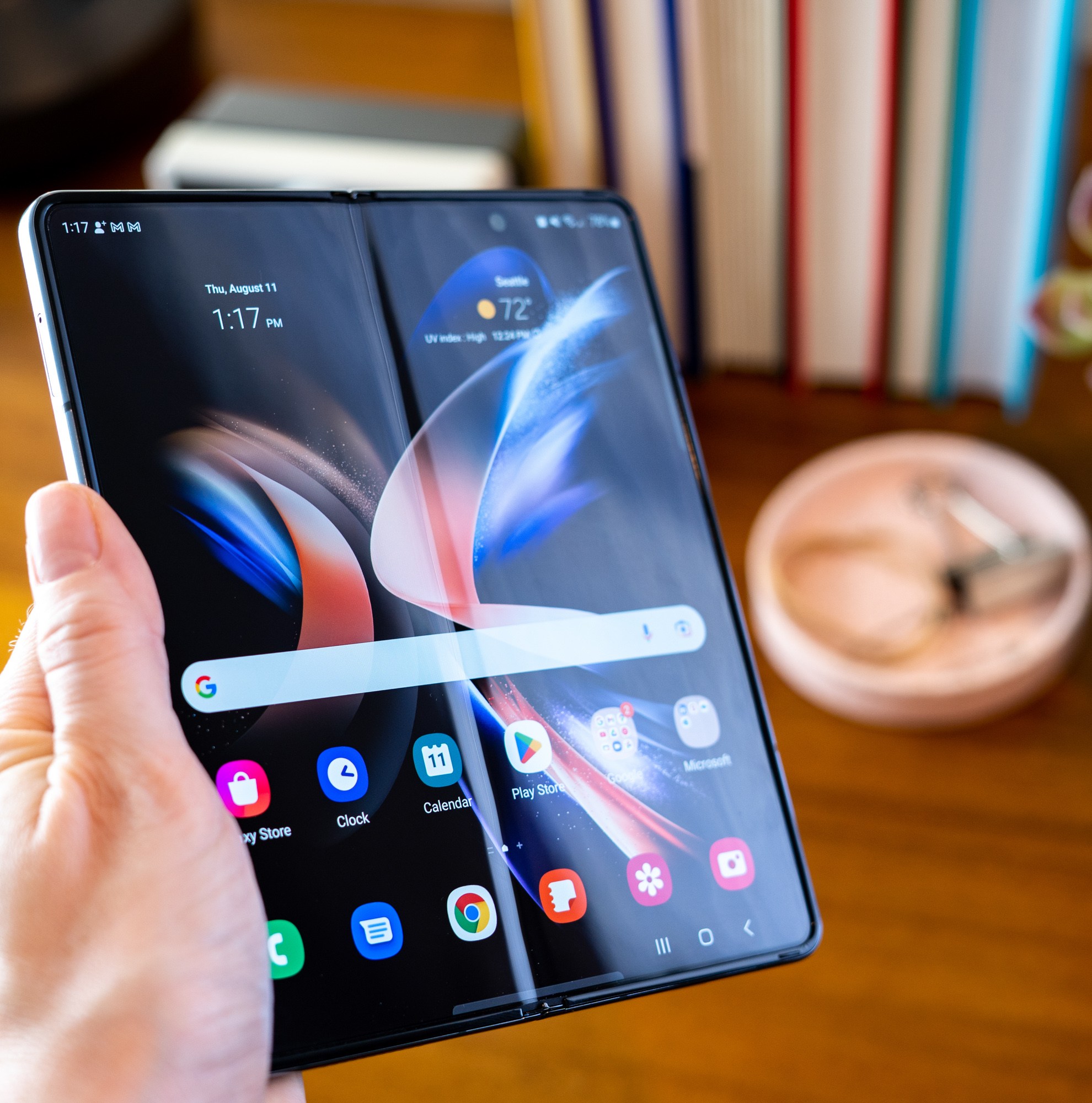
The focal point that caught everyone’s attention in the iPhone Duo is the flat surface of the internal screen when unfolded. John Ternus explained that the reason for the long wait was purely engineering-related. Traditional foldable phones relied on plastic films that stretch and wrinkle with heavy use, leaving a deep impression in the middle and an uncomfortable texture.
Apple overcame this by creating an advanced layered structure that combines polymer and ultra-thin glass (Polymer-Glass Stack), giving the screen the rigidity of traditional glass while maintaining extreme flexibility when folded.
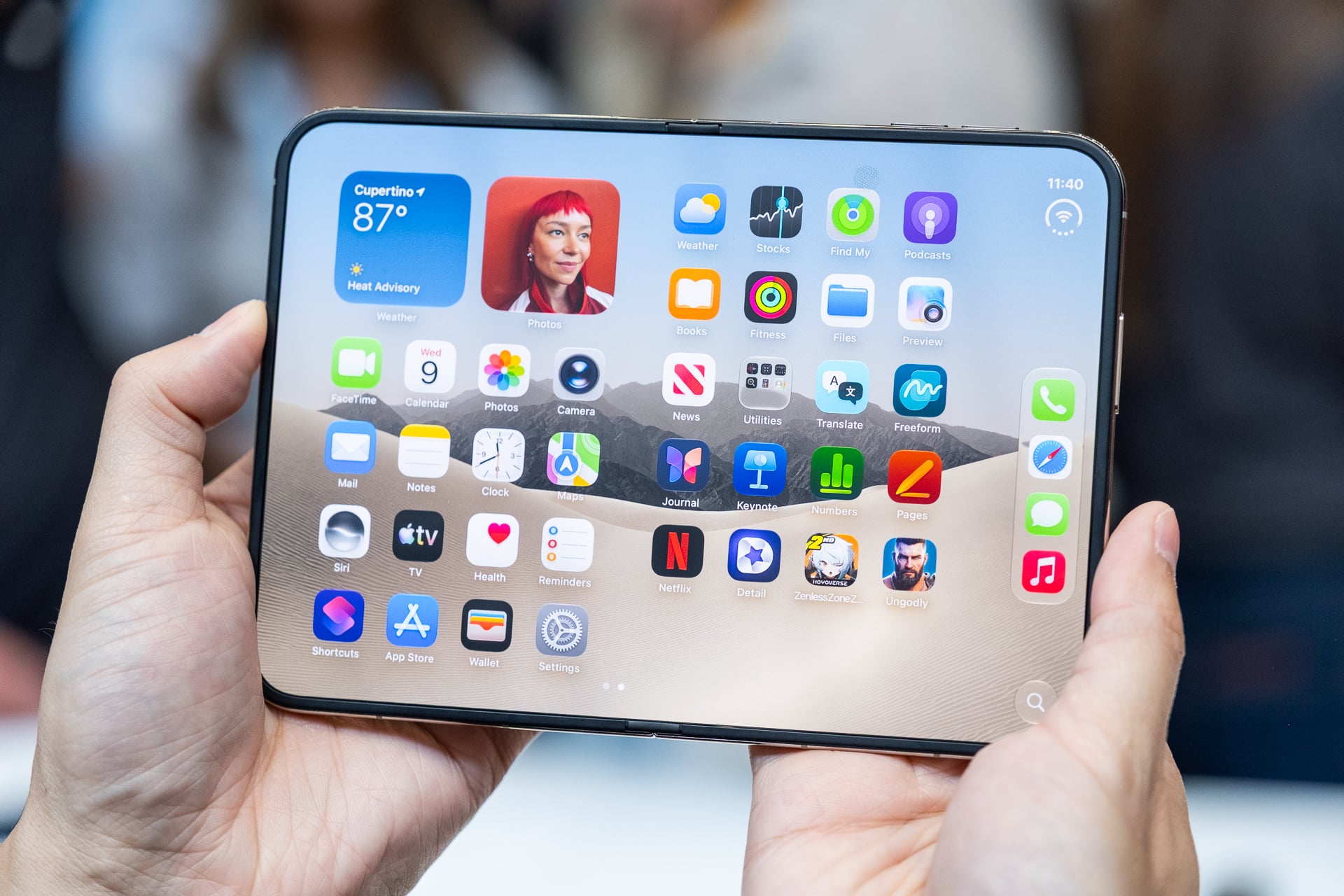
The innovation didn’t stop at the physical structure; Apple added a layer of Nano-Texture glass treated at the microscopic level, a technology famous from Apple’s professional displays. This layer not only prevents scattered light reflections but also diffuses light falling on the internal bending axis in a way that makes any microscopic curvature completely invisible to the naked eye, giving fingers a silky, smooth feel that eliminates the plastic ripples common in competitors’ devices.
Why Did Apple Wait a Full Decade? The Philosophy of “Better, Not First”
Speaking during the interview, “Joz” emphasized that Apple’s philosophy has not changed since the Steve Jobs era: the company does not strive to be the first in the race, but aims to provide the definitive solution that lasts. Entering the foldable phone market before supply chains and hinge technologies matured would have meant making compromises on the durability, water resistance, and dust resistance standards that iPhone users expect. Apple carefully studied the mistakes of the first generations of competing devices and worked on designing custom aspect ratios for both the outer and inner screens, ensuring comfortable one-handed use when closed and full productivity when opened.
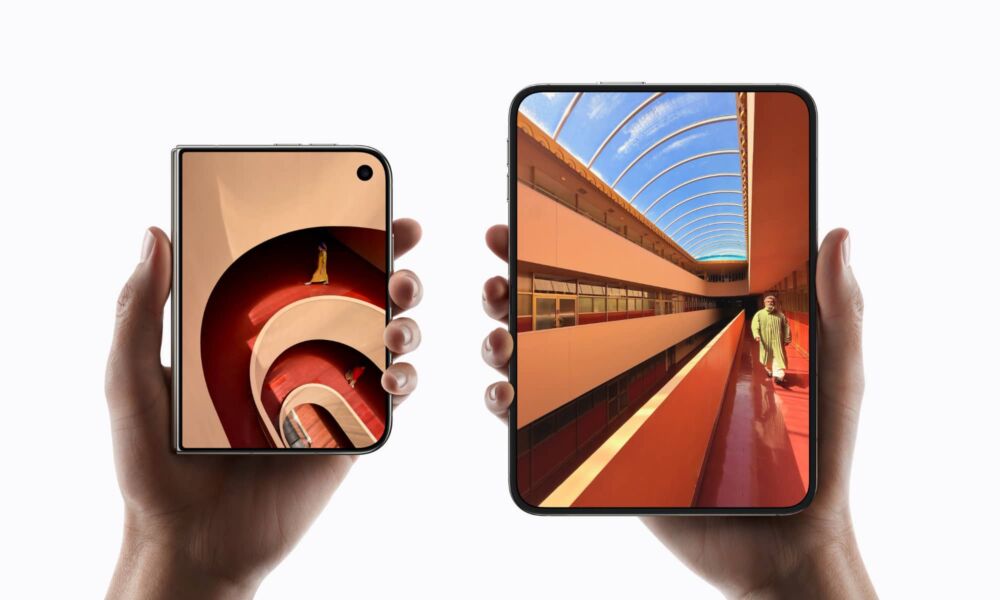
This patience also allowed the company to completely reinvent the mechanical hinge, so the screen closes completely flat without leaving any gap that would allow dust or fine particles to enter—a primary cause of screen failure in previous foldable phones—giving the iPhone Duo a lifespan comparable to traditional phones.
Reinventing the System Experience: iOS and Apple Pencil Support
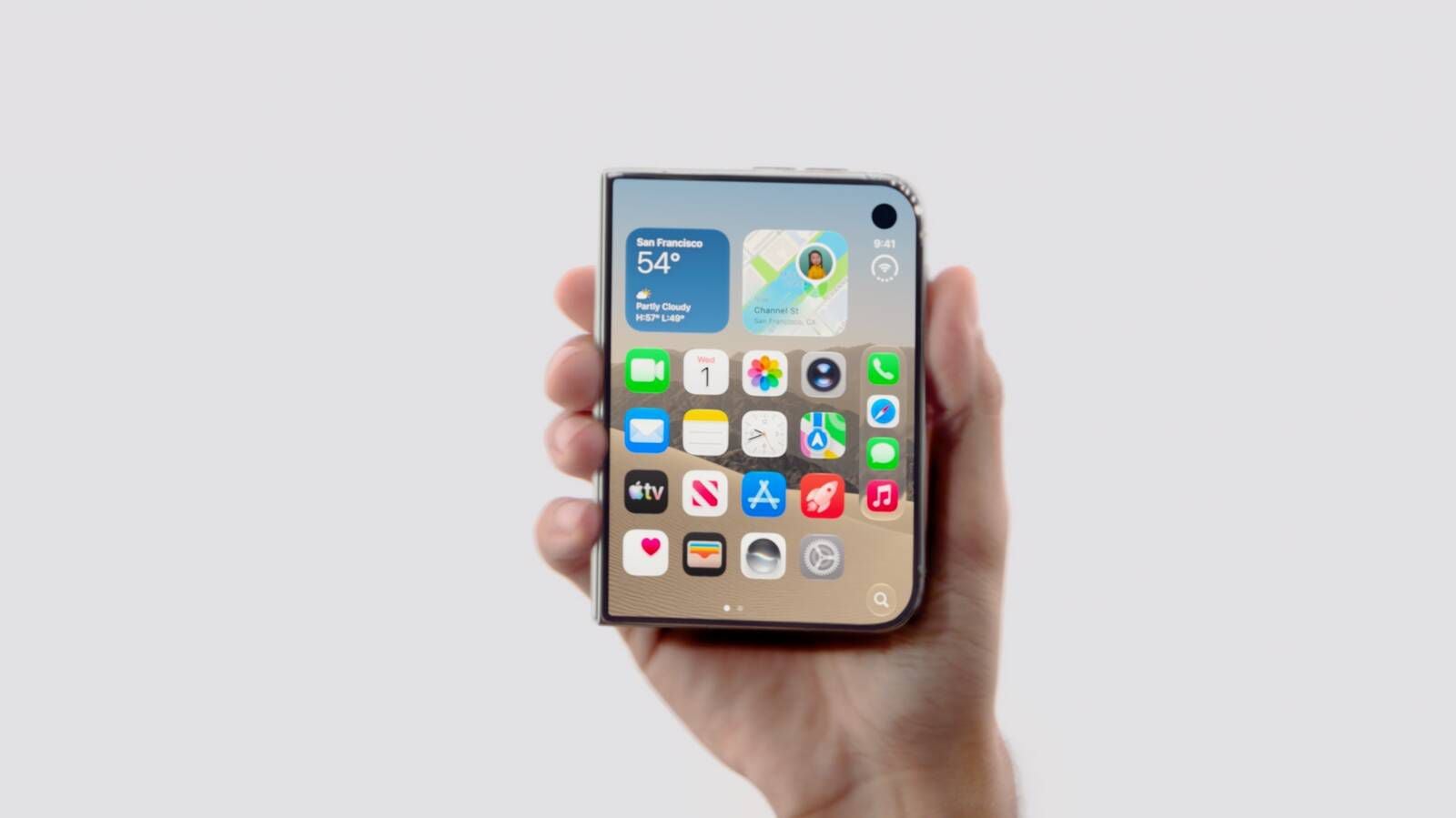
Hardware alone does not create a revolution, so the interview focused on the software side. Apple officials revealed fundamental modifications to the system to support the foldable interface. Core controls were moved to be within reach of the right thumb, allowing for seamless interaction with the large screen area without needing to awkwardly reposition the phone. The interview also showcased the mechanism for porting and adapting iPad apps to automatically take advantage of the extra space and true multitasking on the Duo screen.
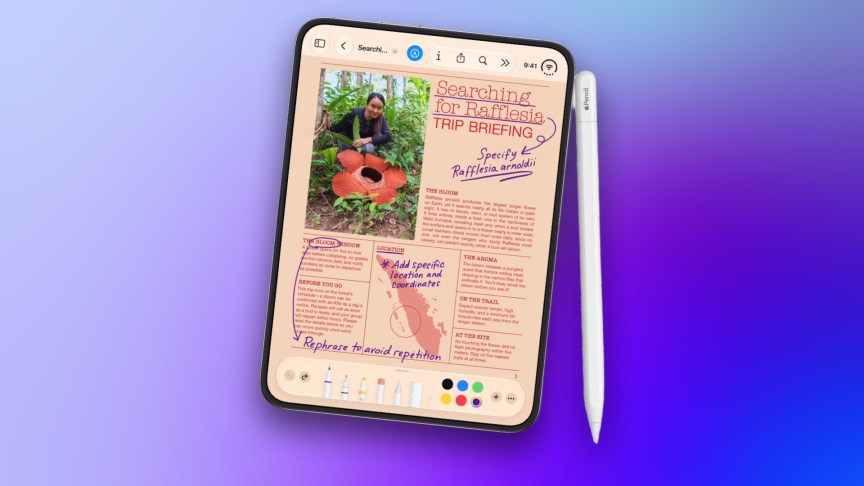
The big surprise confirmed by the officials is the internal screen’s support for the Apple Pencil, which required strengthening the top layer to withstand the pressure of the pencil tip without leaving scratches or dents, turning the device into a digital drawing pad and professional notebook that integrates deeply with the productivity app ecosystem.
iPhone 18 Pro: Variable Mechanical Camera and A20 Pro Processor
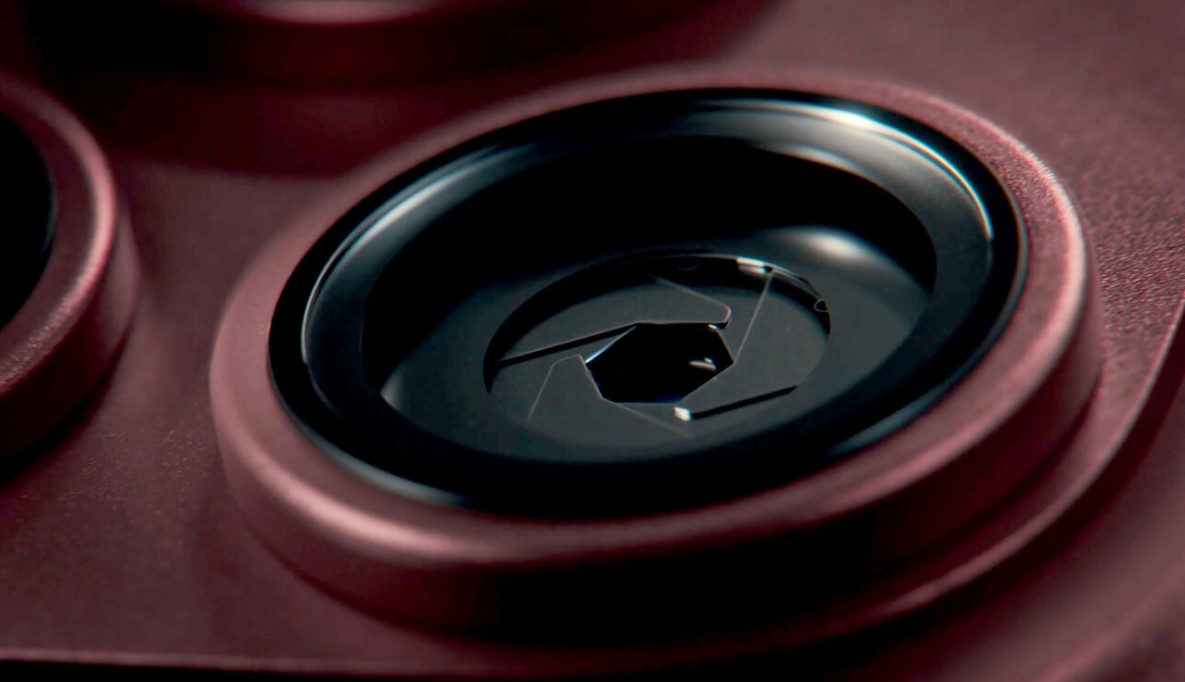
The interview was not limited to the iPhone Duo; it touched in remarkable detail on the iPhone 18 Pro family. John Ternus revealed the photographic leap represented by a mechanical lens with a variable aperture based on 6 physical blades. This feature takes smartphone photography to the level of professional cameras by physically controlling the amount of light falling on the sensor and the true optical depth of field without relying entirely on digital processing.
Supporting this system is the A20 Pro chip, manufactured with 2nm precision, which offers a significant leap in energy efficiency, allowing for a noticeable increase in battery life despite the demands of advanced graphics processing and running generative AI algorithms directly on the device.
Apple’s Vision for AI: The Phone as a Personal Intelligent Hub
At the end of the meeting, journalists raised questions about the future of technology and whether wearable AI devices like smart pins or glasses could eliminate the need for a smartphone. Ternus and Joz’s response was clear and definitive: the iPhone will remain the primary “personal intelligent hub” for the user’s digital life.
Apple’s vision is based on the fact that smartphones provide the perfect balance between superior local processing capabilities for privacy protection and a rich visual interaction interface, while wearable devices serve as complementary accessories to this intelligent hub, not a replacement for it.
Source:


Leave a Reply