A week into 2017, and just as we discussed our expectations for Apple this year, let us talk about the world of smartphones and the tech industry—what will we see? Whether in terms of phone companies or modern technologies.

Samsung and the Last Chance
Samsung suffered from massive problems and a significant decline in sales during 2015, but with the beginning of 2016, the company started to get back on the right track. The S7 and the Edge version achieved good sales, and investors were optimistic. However, the launch of the Note 7 came as a disaster for the company, completely destroying profits. In the mid-range and low-end device market, it faced difficulties challenging Chinese companies, which caused Samsung’s overall sales to decline, even though it remained the largest smartphone company. Therefore, Samsung is preparing for 2017 as its last chance to maintain its lead, across several axes:
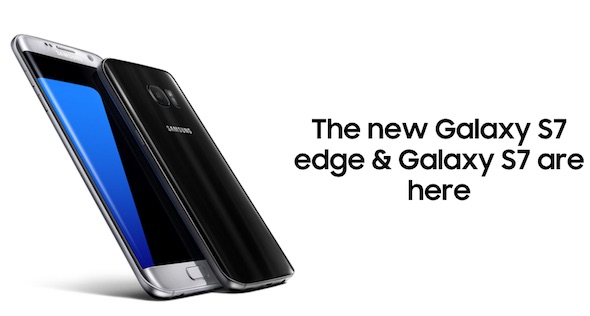
S8 Phone: The company will introduce it in the first third of the year, and it is expected to come with Qualcomm’s fourth-generation fast charging technology -check this link-. Samsung will also develop the device’s screen and camera to continue the successes of the current S7.
Note 8: Although some expected Samsung to announce the death of the Note series due to the bad reputation it acquired, it is expected that this will not happen and that the Note 8 will be exceptional in Samsung’s history to erase memories of its predecessor.
Mid-range phones: Although they are not widely famous, Samsung holds the lead among companies in the world thanks to them; the sales of high-end phones like the S and Note do not come close to this category. Therefore, it is expected that the company will start paying extensive attention to them, such as increasing memory, adding high-end specifications, and supporting the latest Google systems like Nougat in some of them (upon release, not the current phones of course, and this will be at the end of the year).
Nokia and the Dream of Returning
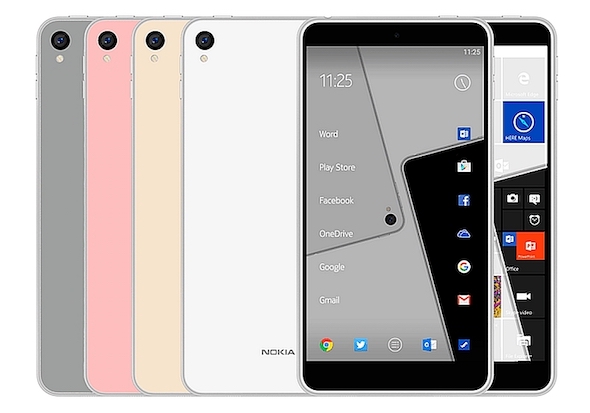
There is constant news that Nokia plans to return to the markets at the beginning of the year, but this time it will be with an Android phone. The device everyone is talking about will follow Nokia’s usual philosophy: superior hardware at a good price. Part of the news says there will be a device with above-average specifications, such as 3GB of memory, a 16MP camera, and Android 7, for only $200. Other news mentioned that there is a version that will come with a 23MP camera with the famous Nokia Carl Zeiss lens, 6GB of memory, and a Snapdragon 830-835 processor, but its price will be significantly lower than competing high-end phones. In any case, Nokia’s return would be great news.
Huawei and the Advance Toward the Top
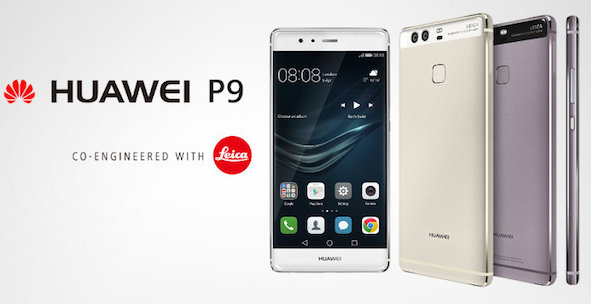
A year ago, Huawei managed to settle the struggle for the lead among Chinese companies, surpassing Lenovo, Xiaomi, and Oppo. Its phones outperform Lenovo in performance, while Xiaomi still relies on slow global expansion. Now, Huawei is alone in third place behind Samsung and Apple. The company aims, starting from 2017, to strengthen its progress; perhaps Apple’s sales will stumble, narrowing the gap, or Samsung will face new difficulties, allowing Huawei to seize the opportunity as it did in 2016.
The Chinese and Absolute Control
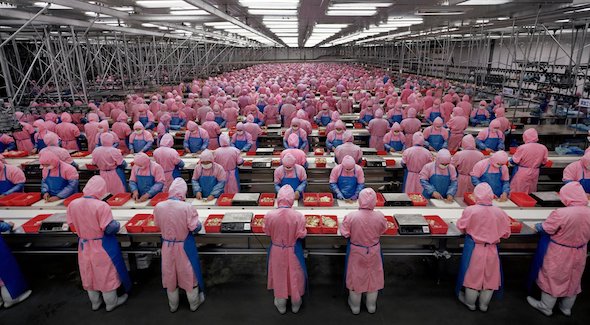
We talked about this last year, and indeed, during 2016, Chinese companies managed to secure the lead undisputed. Now, whoever thinks about buying a phone, especially in the mid-range and above-average categories, finds themselves thinking: Should I buy Huawei, Lenovo, Xiaomi, Oppo, or OnePlus? They are all Chinese companies. Sometimes the name Samsung or HTC appears shyly, but the foundation is China. During the coming year, we will find Oppo continuing its strong spread, as well as Xiaomi, which is expanding significantly in emerging markets.
However, there is another Chinese company that has become the subject of much talk. It is VIVO.
The Unknown Chinese VIVO
There is a Chinese company called BBK that specializes in electronics and also smartphones. Yes, it owns smartphones you may have encountered, but they are not marketed under the name BBK, but rather under several brands like OPPO, for example, and also a division within Oppo called OnePlus—most of us have heard this name, of course. But during 2016, a third company they have, called VIVO, managed to achieve a leap in sales that reached more than 100% growth, placing Vivo in fifth place and surpassing resounding names like Xiaomi, Sony, HTC, LG, and others. The company focuses on Southeast Asian markets like Malaysia, Indonesia, the Philippines, and others, in addition to the large Indian market. Vivo plans to expand globally, so keep its name in mind so you won’t be surprised when you hear it during a year or two.
Google and Continuing the Path

Google launched its Pixel phone -check this link– and the device achieved good sales as a high-priced phone available in limited markets. The coming year will be a challenge for Google: Can it launch Pixel 2 to continue achieving successes? Will the company think about lowering prices to add a price advantage to its device against the iPhone 8, as well as the S8, which is rumored that Samsung will price its upgraded “Edge” version at over a thousand dollars? It is known that a company’s first device is an “experiment,” and then the launch begins after it. Google’s experiment was successful, so will Google be able to capitalize on the successes?
Fast Charging Technologies
We talked in a previous article about fast charging technologies. Then we dedicated an additional article to Qualcomm’s fourth generation. During 2016, everyone possessed fast charging technologies, whether by increasing amperage like Oppo and its subsidiary OnePlus, or Huawei’s technology, or Qualcomm’s. The latter developed its technology to become better than everyone else, but of course, Chinese companies will not stand still and will announce the development of their own charging technologies as well. So, expect to see a race in developing charging during 2017.

Post Comment