Apple has always mastered the numbers game, but what the iPhone 17 achieved in the first quarter of 2026 goes beyond the usual success; it is a declaration of total dominance. It seems the public has finally found what they were looking for in the base model, which is no longer “basic” in the traditional sense, but has become the winning horse everyone is betting on. While other companies fight over the crumbs of market share, Apple has been soaring alone at the top, confirming that the brand’s magic still works more efficiently than even its own super-processors.
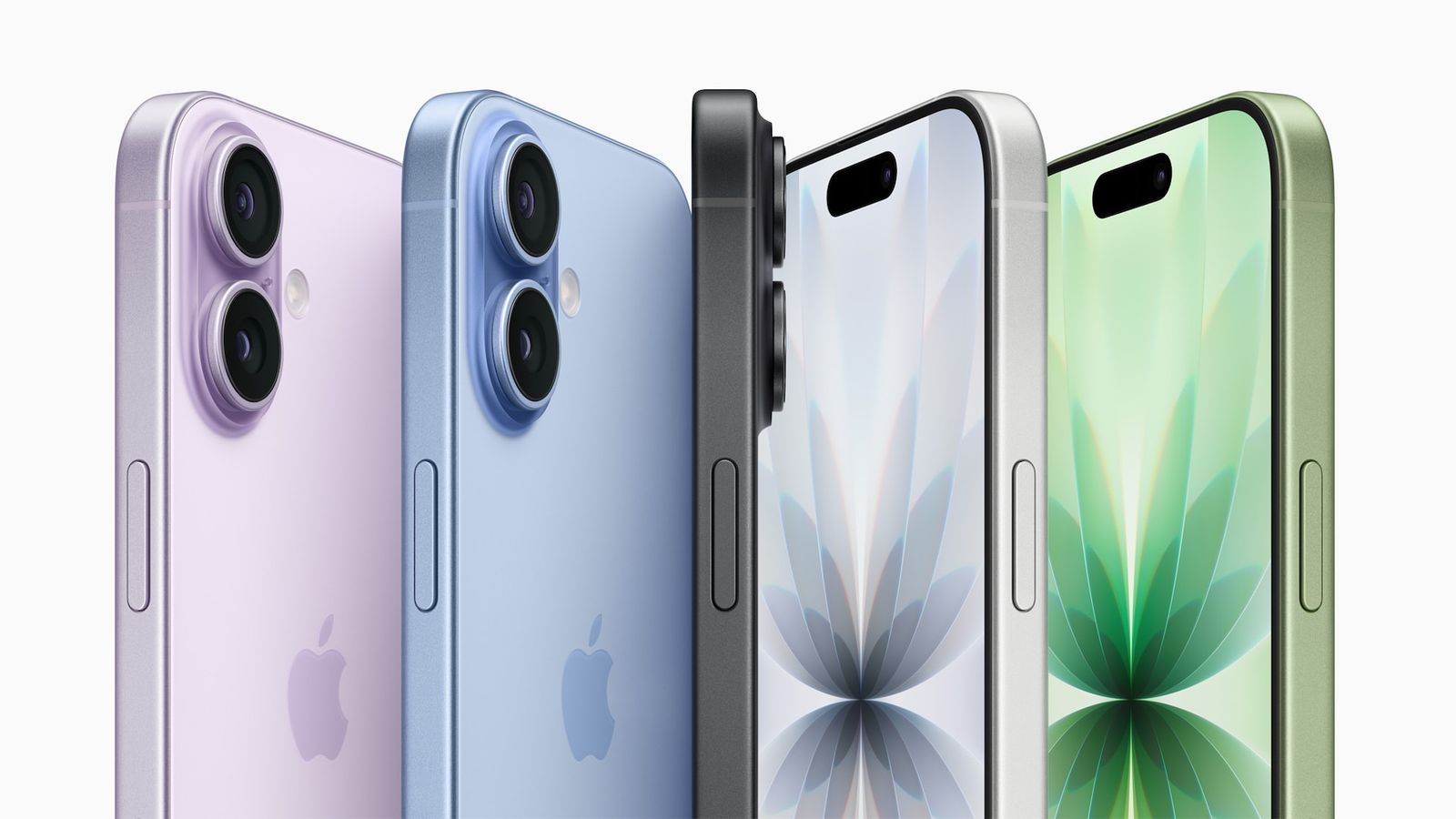
Apple Dominates the Golden Podium
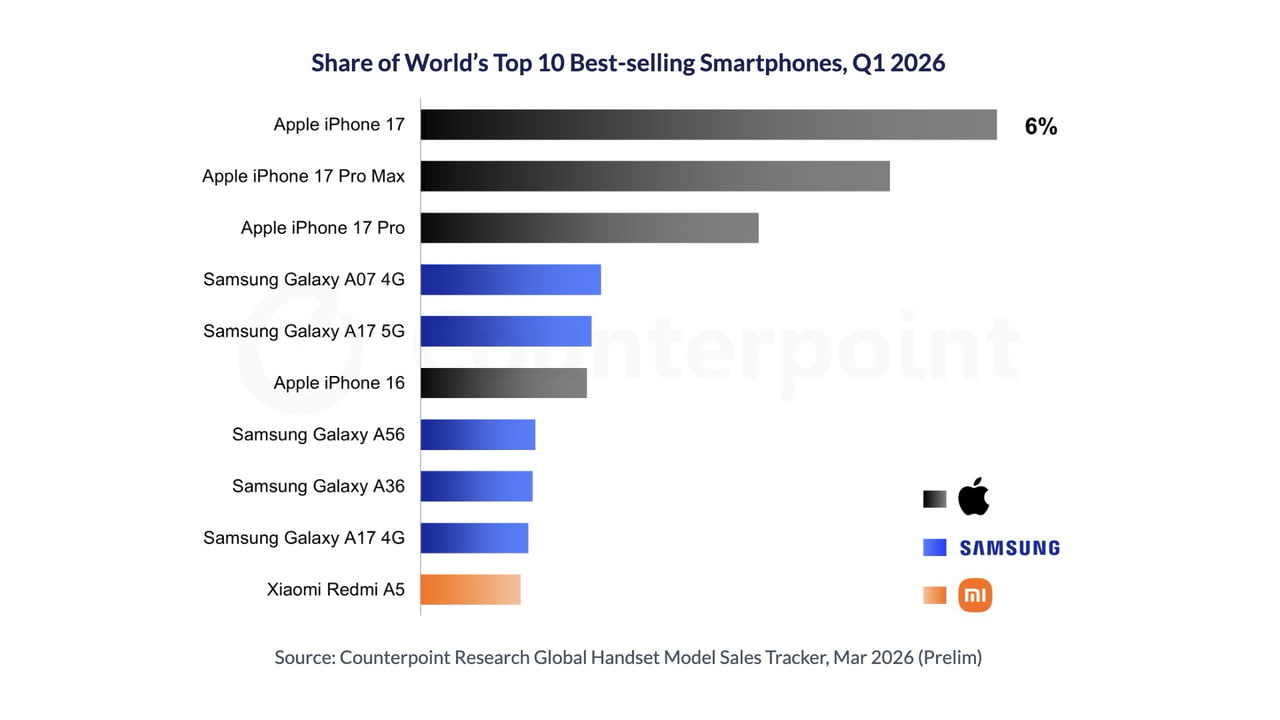
According to the latest reports from Counterpoint Research, the iPhone 17 not only took first place but alone captured 6% of total global unit sales. Apple left no room for competition in the following spots, with the iPhone 17 Pro Max and iPhone 17 Pro taking second and third place, respectively. This concentration at the top reflects growing consumer confidence in Apple’s integrated ecosystem.
Interestingly, the top 10 smartphone models combined accounted for 25% of total global sales, the highest concentration ratio ever recorded in a March quarter. This means buyers are increasingly turning toward known and trusted phones, rather than getting distracted by the hundreds of different models flooding the market annually.
Why does everyone prefer the iPhone 17?
The secret behind the base iPhone 17’s superiority over its predecessors lies in closing the gap with the “Pro” models. Analysts pointed out that updates including increased base storage, significantly improved camera resolution, and most importantly, the addition of a faster screen refresh rate, made the phone an irresistible value-for-money choice. The device achieved double-digit growth in key markets such as the United States and China.
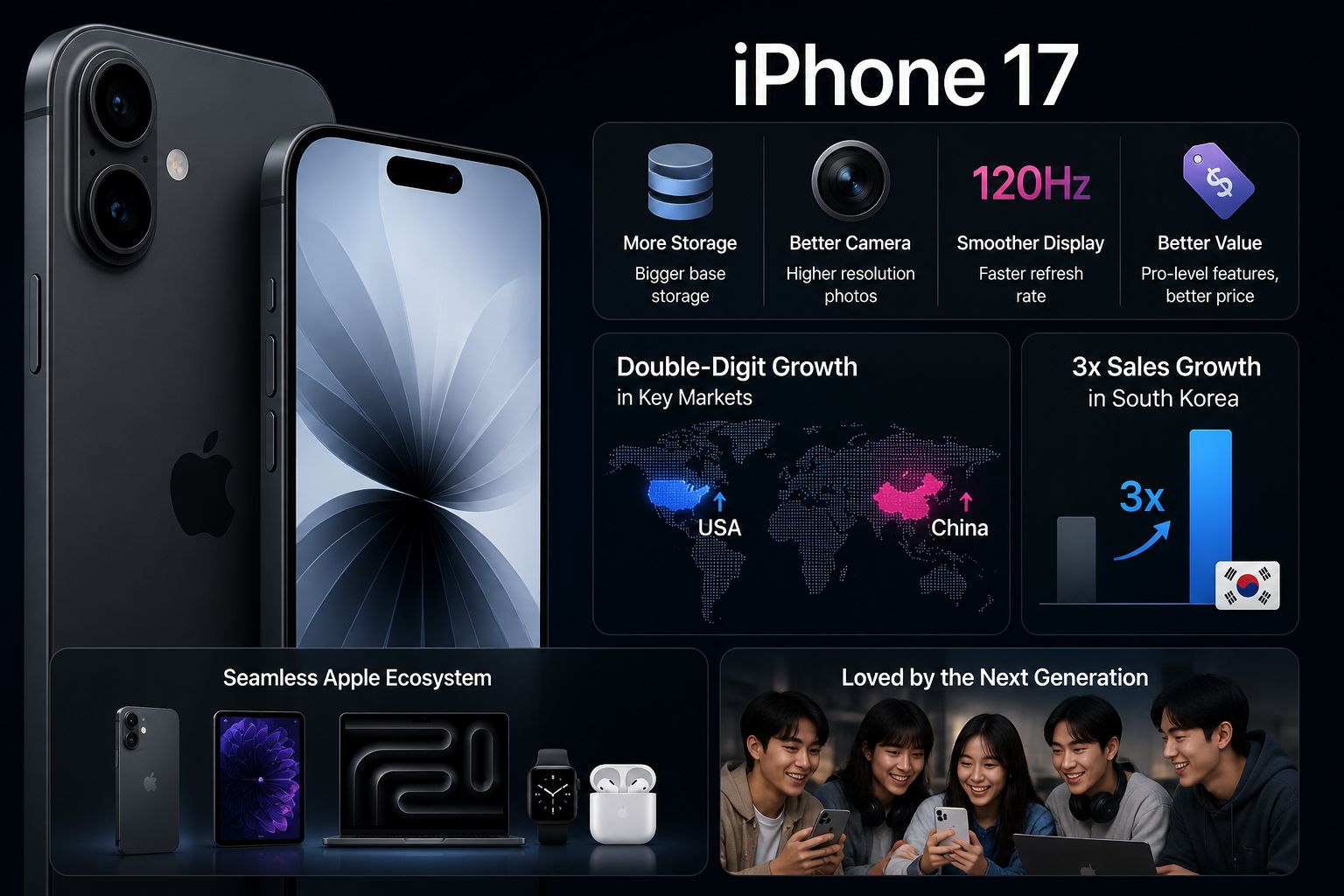
In a striking surprise, the device’s sales tripled in South Korea, the home turf of its fierce rival, Samsung. It seems Apple has succeeded in attracting the youth segment there thanks to the seamless integration between its devices, from iPhone to iPad and even Mac, making it extremely difficult—and even undesirable—to leave this “golden cage.”
Memory Shortage and the Changing Market Map
The smartphone market is currently facing a global memory shortage, which has led to rising component costs. This pressure has pushed manufacturers, especially those in the Android ecosystem, to focus more on premium devices to ensure healthy profit margins. This strategy helped Apple capture 21% of total global smartphone shipments in the first quarter, as its strength is always concentrated in the high-end sector.
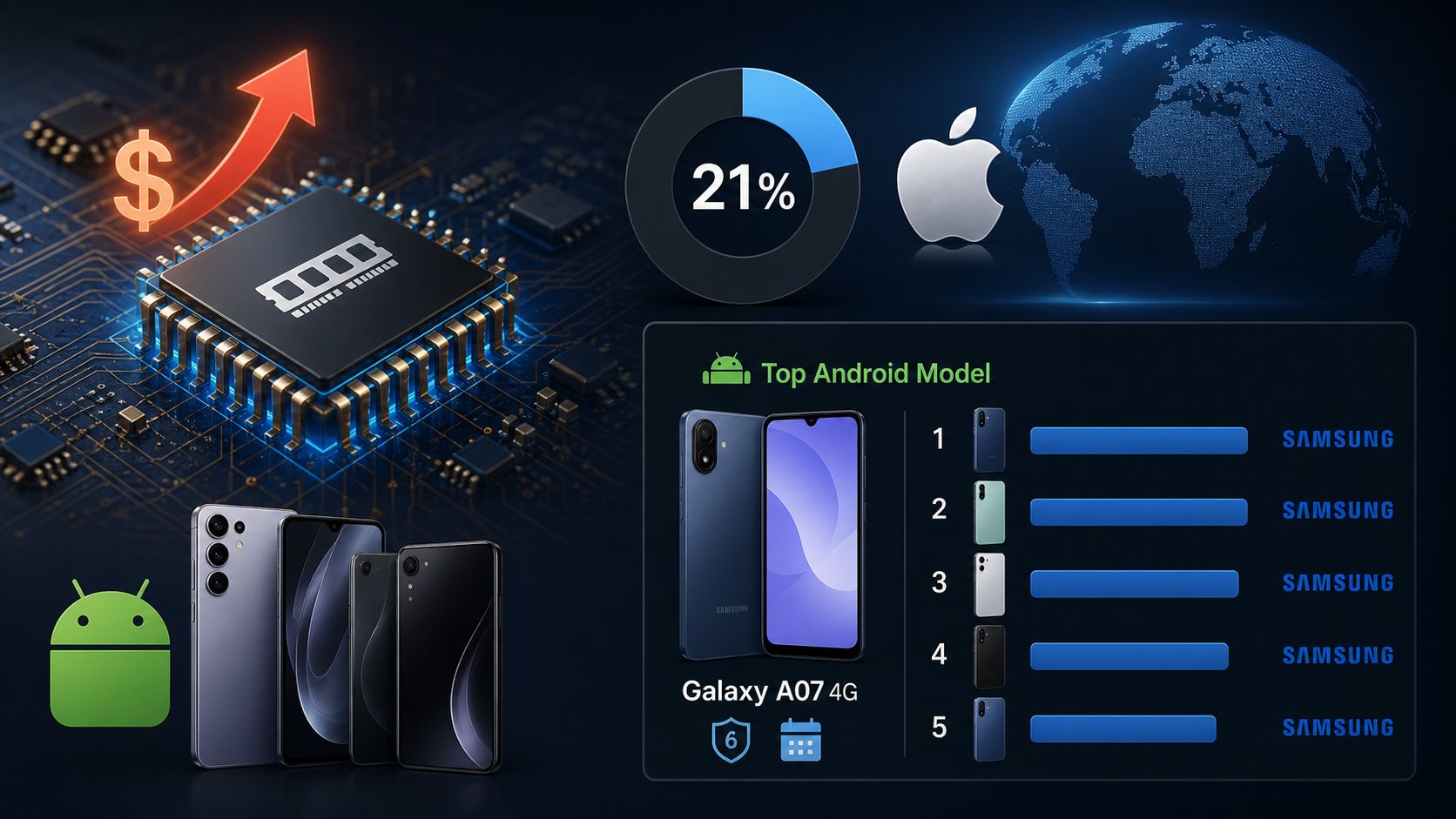
Samsung, for its part, despite being absent from the top three, dominated the number of spots on the list thanks to its budget Galaxy A series, securing five positions. The Galaxy A07 4G was the best-selling Android, supported by strong demand in the Middle East and Africa, and perhaps Samsung’s promise of six years of security updates helped entice those looking for a long-lasting phone.
The Future is Heading Toward Luxury
While mid-range phone sales have declined, the Galaxy S26 Ultra showed strong performance despite narrowly missing the top ten, supported by AI features and an innovative privacy screen. As for the tenth spot, it went to Xiaomi with its Redmi A5, representing the only stand for Chinese companies in this fierce list.
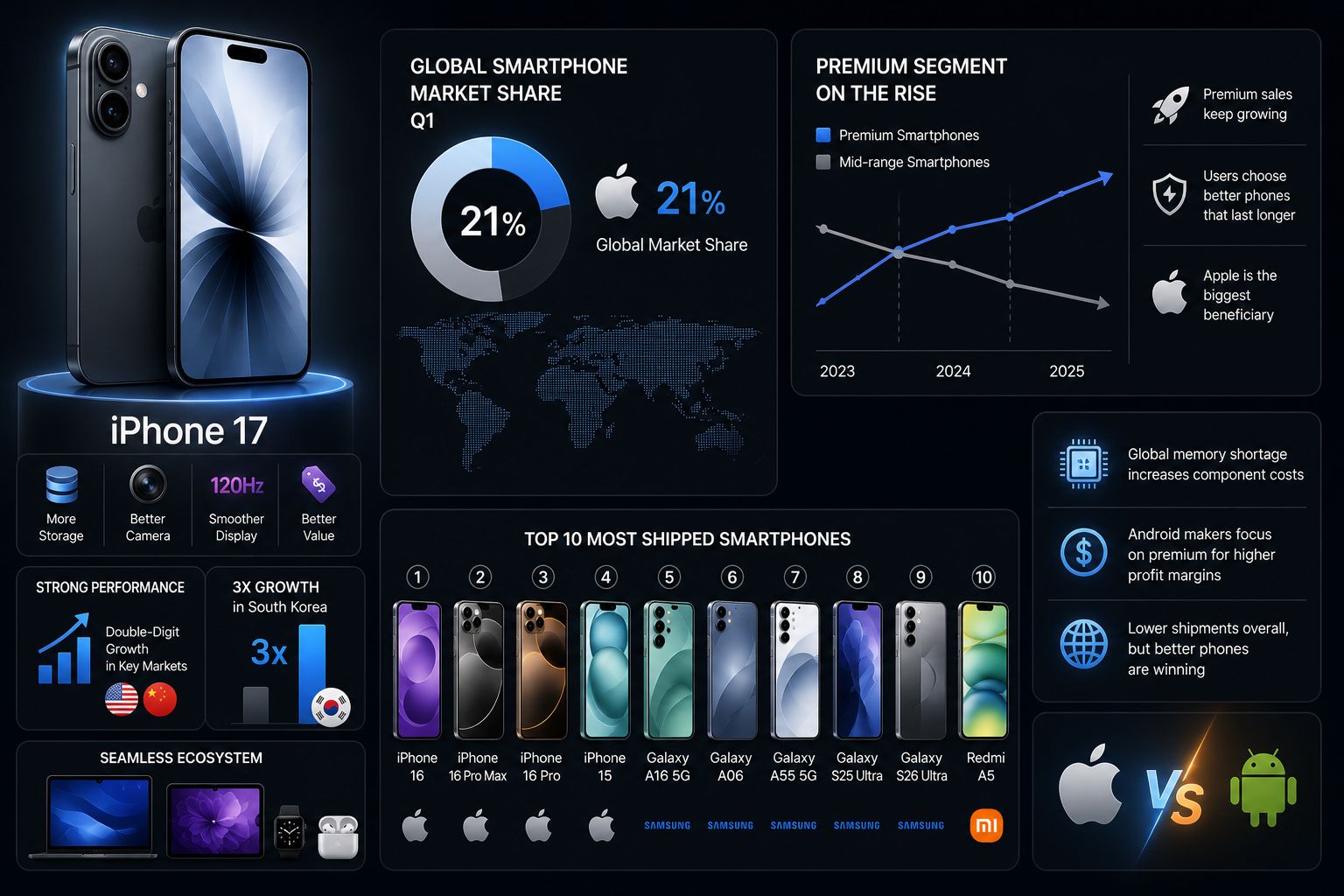
Future projections indicate that flagship phones will continue to eat up a larger share of the market. With the total volume of units shipped globally declining, it seems users have decided to buy better phones to last longer, rather than changing their cheap phones every year. Apple, as usual, is the biggest beneficiary of this shift in consumer mentality.
Ultimately, the iPhone 17 proves that offering a balanced experience with real upgrades in the screen and camera is the shortcut to the hearts (and pockets) of consumers. Will the competition be able to break this siege in the coming quarters, or has Apple completely tightened its grip on the market?
Source:
Leave a Reply