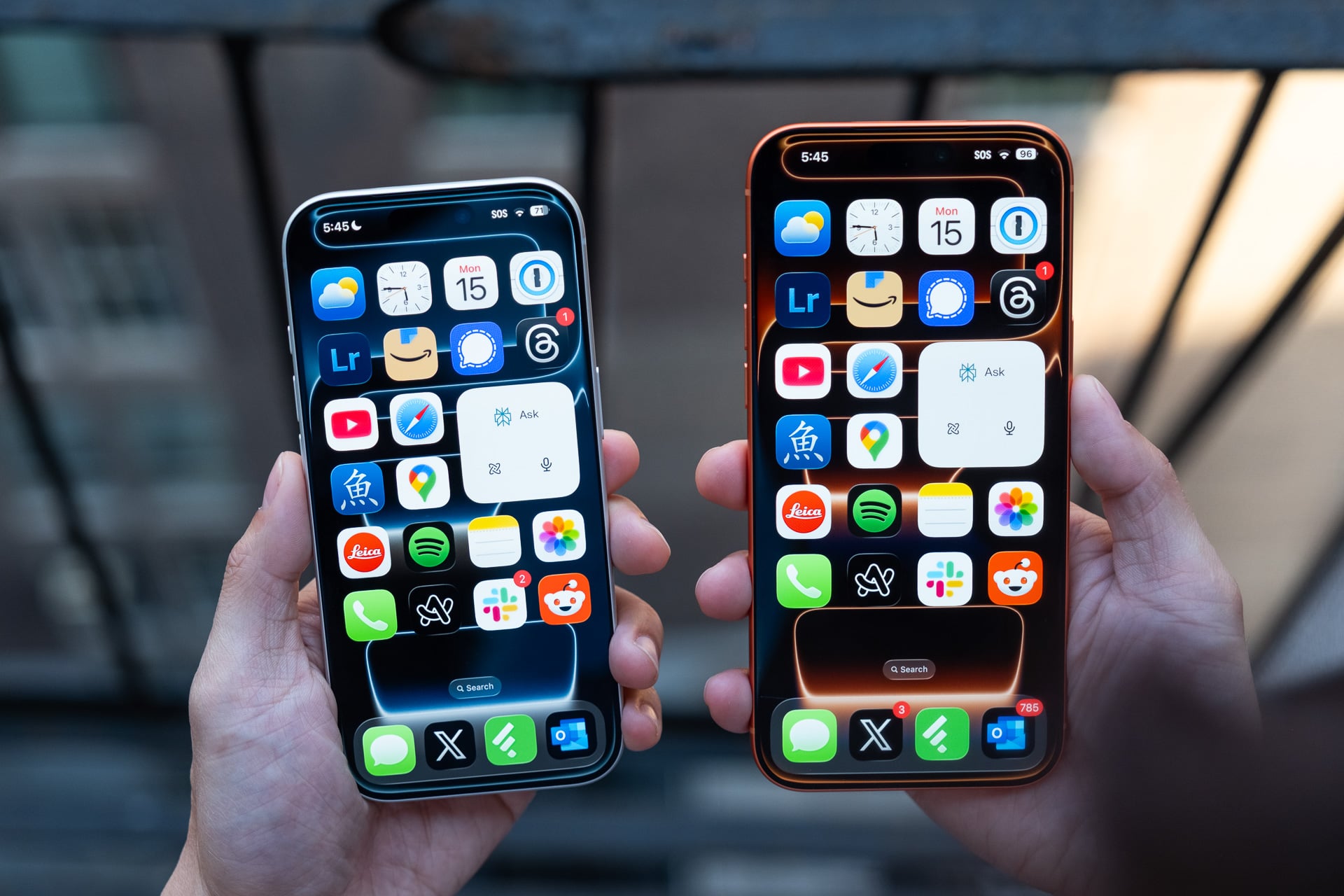
Lifespan in numbers: Do OLED screens last forever?
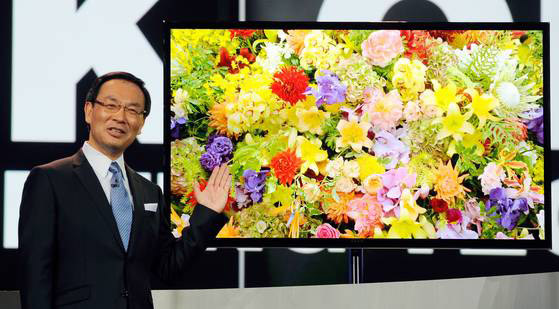
Let’s start with the direct and impressive numerical facts: screens designed with OLED technology today have an estimated lifespan of about 100,000 hours of actual operation. If we translate this number into real-world terms, it means more than 11 years of continuous, 24/7 operation without stopping! This figure represents a huge leap and a dramatic evolution compared to the beginnings of this technology; when these screens first appeared on televisions in 2013, their lifespan was only 36,000 hours.
However, this long life does not mean that the screen will retain its first-day brilliance forever. OLED panels rely on organic pixels, and these organic materials undergo natural and gradual degradation over time and with intensive use. This means that the screen’s peak brightness may decrease slightly and imperceptibly after years of use. For this very reason, official company warranties usually do not cover this natural wear or burn-in issues, and Apple even clearly states in its official documents that slight color changes over time are a normal and expected behavior for OLED screens.
The ghost of “burn-in”: Is it a real terror or an exaggeration?
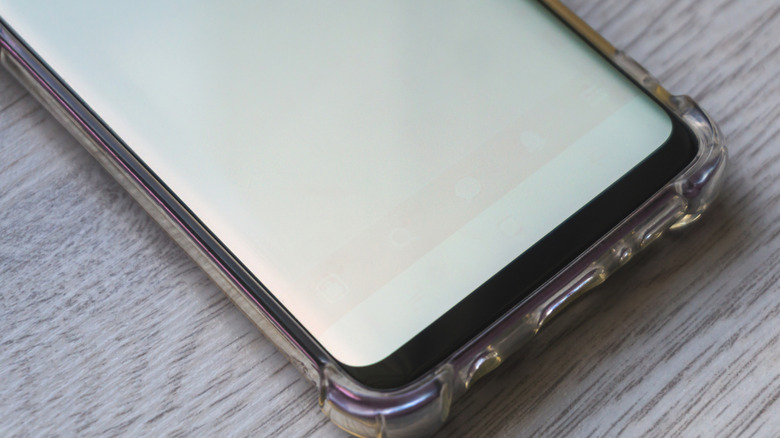
The biggest fear for phone users is burn-in, which occurs when a static image is left on the screen for too long, causing its trace to be permanently “imprinted” on the panel. Although this possibility exists theoretically, in practical reality, it rarely happens except in cases of harsh and excessive use. Modern phones are equipped with smart systems that move pixels invisibly to prevent this imprinting, in addition to simple tricks you can apply to fully protect your screen, such as enabling Dark Mode and avoiding leaving the screen on the same app for long hours without changing.
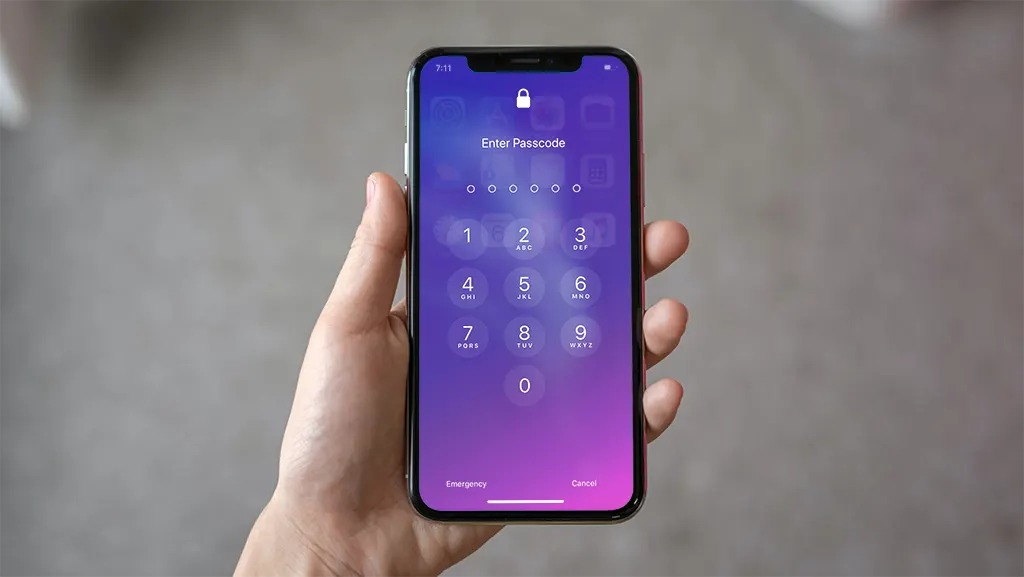
Good news is confirmed by a study published in the “Journal of Cleaner Production,” which showed that the degradation of OLED screens is not a common reason at all that drives users to replace their phones. In fact, your phone is more likely to be damaged by dropping it on the ground or stopping receiving system updates long before its screen starts to succumb to aging. Compared to televisions or computer monitors that display static elements for long periods (such as channel logos or game interfaces), phones by their nature use constantly changing dynamic applications, which keeps them almost completely safe from this problem throughout their natural life cycle.
Source:
Leave a Reply