With the launch of the first iPhone in 2007, the world entered a new phase of digital transformation that changed the way humans communicate, work, and live their daily lives. However, around the same period, another phenomenon began to emerge globally: a continuous decline in fertility and birth rates. This curious coincidence has prompted researchers to seek answers beyond traditional explanations related to economics or social changes. Have smartphones contributed, directly or indirectly, to reshaping individual behavior toward relationships, marriage, and childbearing? Or is it merely a temporal intersection between a major technological revolution and a global demographic shift? In this article, we review the latest studies that have addressed this hypothesis and whether the iPhone and smartphones have caused a decline in birth rates.
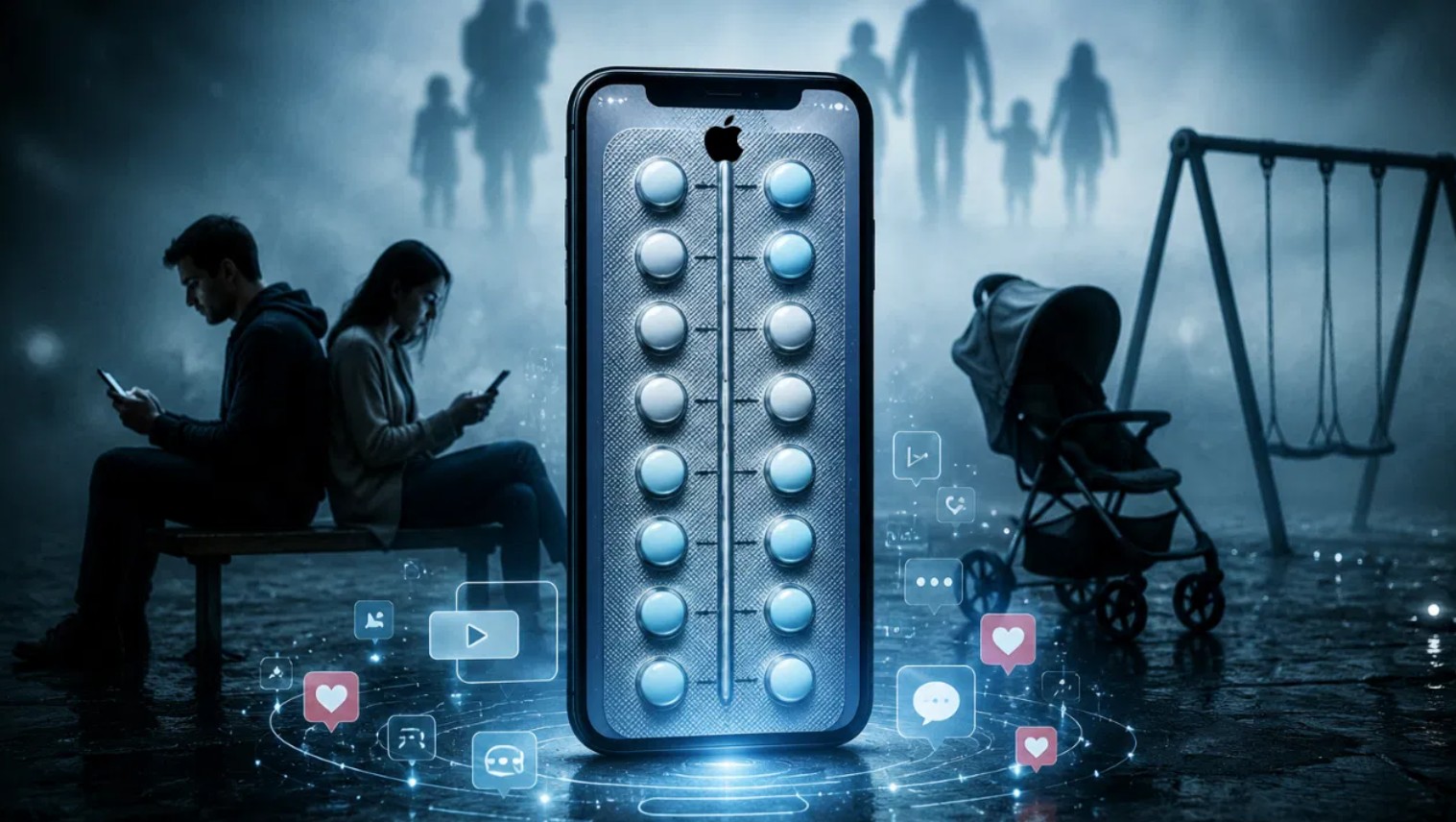
The iPhone and Childbearing
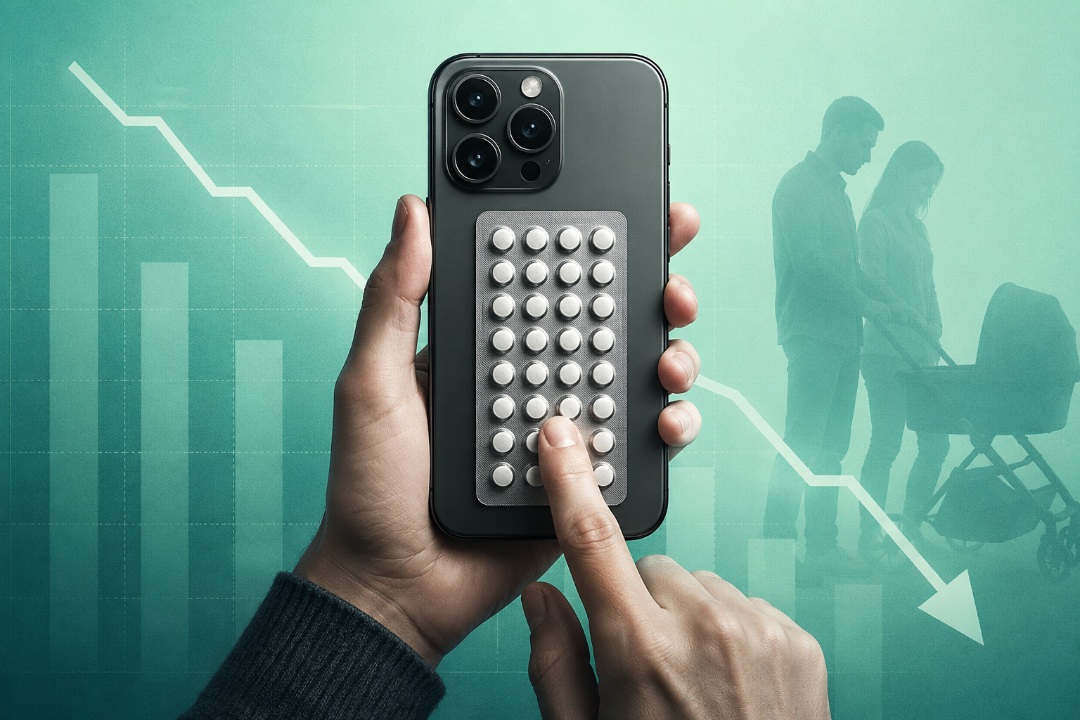
Over the past years, researchers have tried to understand the real reasons behind the persistent decline in birth rates in many countries around the world. Multiple explanations have been proposed, ranging from economic changes and rising living costs to education and modern lifestyles. However, recent studies have shed light on a completely different factor: smartphones.
What is striking is that the noticeable decline in fertility rates began roughly in the same period that saw the widespread adoption of smartphones. This observation led a number of researchers to study whether modern technology has played a larger role than previously thought in changing social behavior and decisions related to childbearing.
One study relied on comparing regions that experienced early adoption of smartphones with regions where access to these devices was delayed. The results showed that regions that adopted smartphones faster recorded a greater decline in birth rates among younger age groups.
Of course, this does not necessarily mean that smartphones directly prevented people from having children; rather, researchers believe their impact may be indirect. Technology has changed the way individuals communicate, reduced traditional social interactions in some cases, and provided broader access to information and digital services related to reproductive health and family planning.
Smartphones and Declining Fertility

Other hypotheses suggest that smartphones have reshaped how time is spent, entertainment, and social relationships, which has gradually reflected on decisions regarding starting families, marriage, and childbearing, especially among younger generations.
On the other hand, not all experts agree with these explanations. Some argue that the decline in birth rates began before the spread of smartphones in some countries, and that broader economic, cultural, and demographic factors still play the largest role in this phenomenon.
Ultimately, the relationship between the spread of smartphones and declining birth rates remains a subject open to debate and scientific research. While some studies point to a correlation worth noting, there is no conclusive evidence yet that smartphones are the primary cause behind this global demographic shift. However, it cannot be denied that modern technology has reshaped human lifestyles, social relationships, and communication methods in an unprecedented way. Perhaps the truth lies in the intersection of a combination of economic, cultural, and technical factors, making the understanding of the causes of fertility decline more complex than linking it to a single factor.
What is your opinion on this controversial hypothesis? Could the iPhone have a role in the decline of birth rates around the world? Let us know in the comments!
Source:


Leave a Reply