Although Apple has not yet unveiled any smart glasses, indicators confirm that the company is indeed working on such a project behind the scenes. However, the biggest challenge it faces is not related to design, artificial intelligence, or hardware, but rather a single question that could determine the entire fate of the product: How can one offer smart glasses that maintain privacy without sacrificing what users expect? In the following lines, we will take you on a quick tour to explore why Apple might have to sacrifice privacy for the sake of its smart glasses.
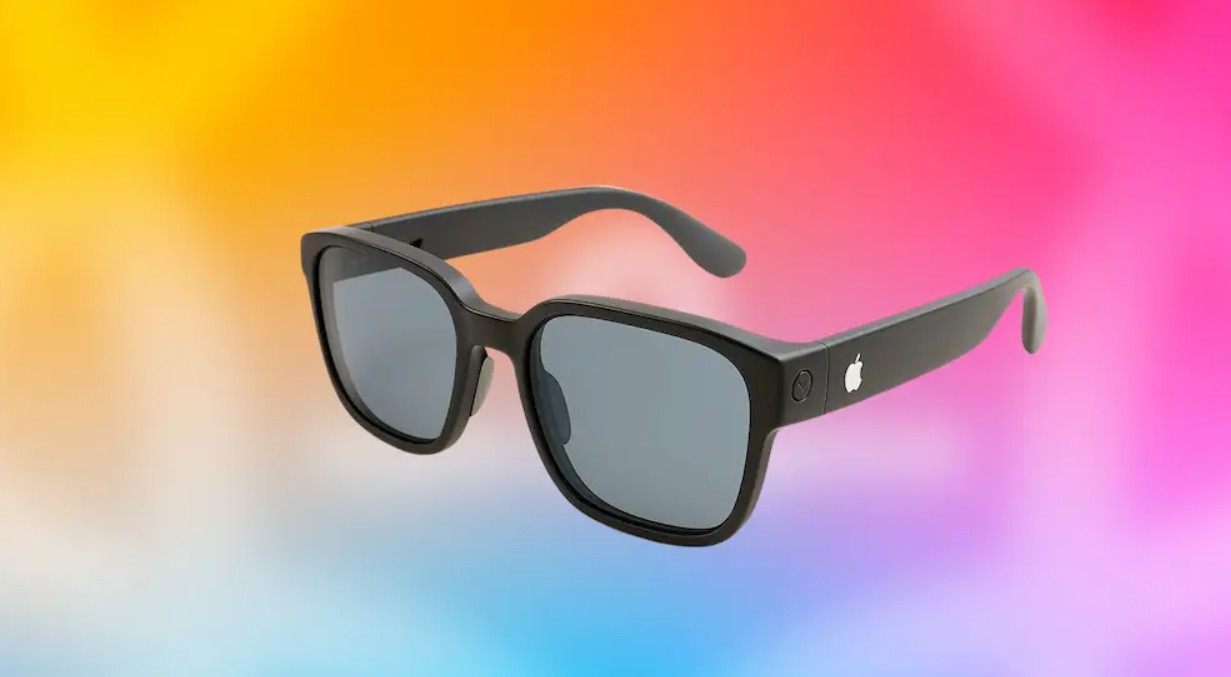
Apple’s Smart Glasses
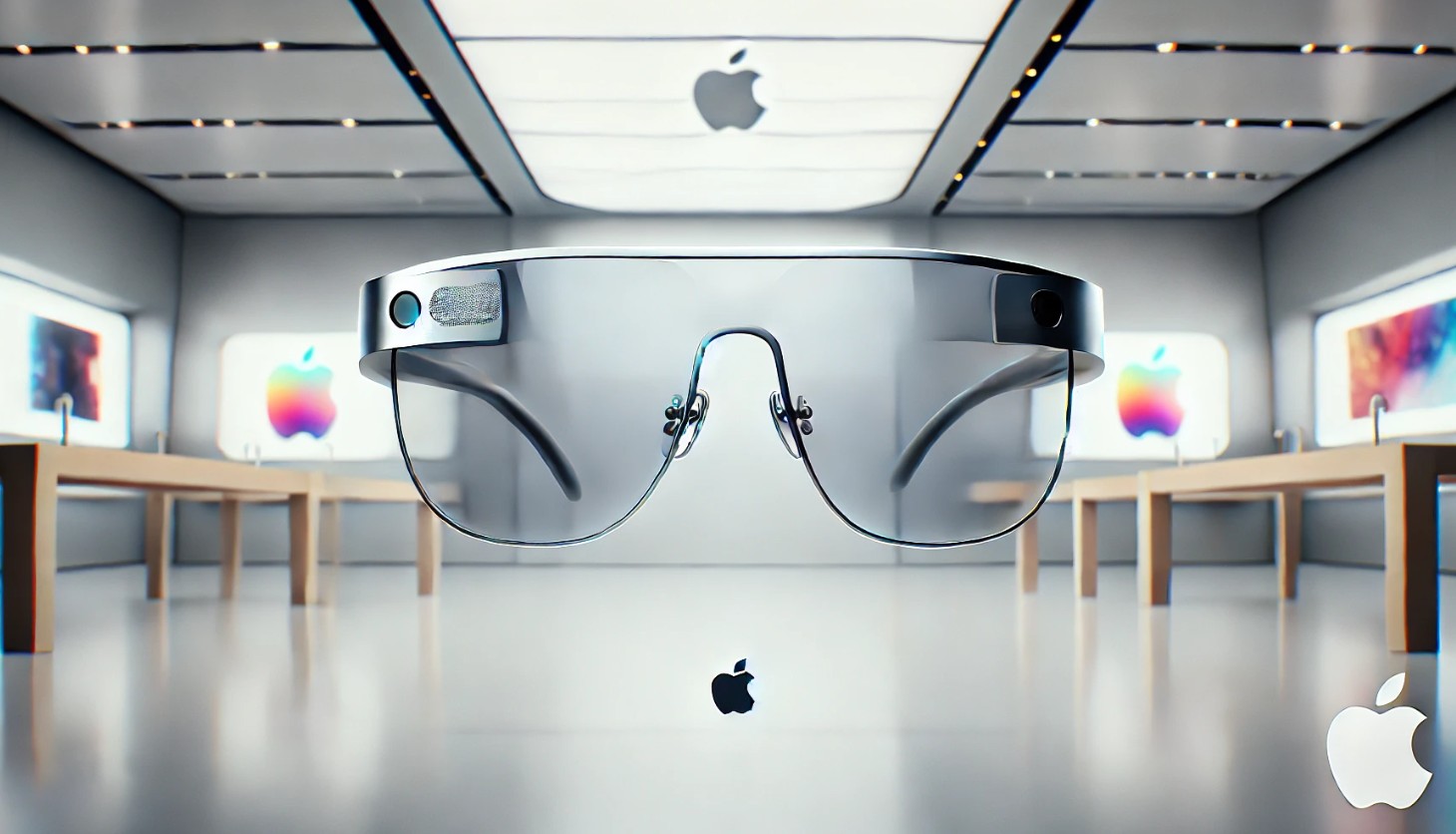
Recent reports indicate that Apple is internally discussing how the camera should function in its smart glasses, as it is the most controversial element in this type of device. The company fears that the presence of a camera capable of recording freely could raise user concerns or give the product a negative reputation as a tool for spying or recording others without their knowledge, which contradicts the image Apple has built over the years, with privacy being one of the most important pillars of its brand.
Option One: Glasses Without a Camera
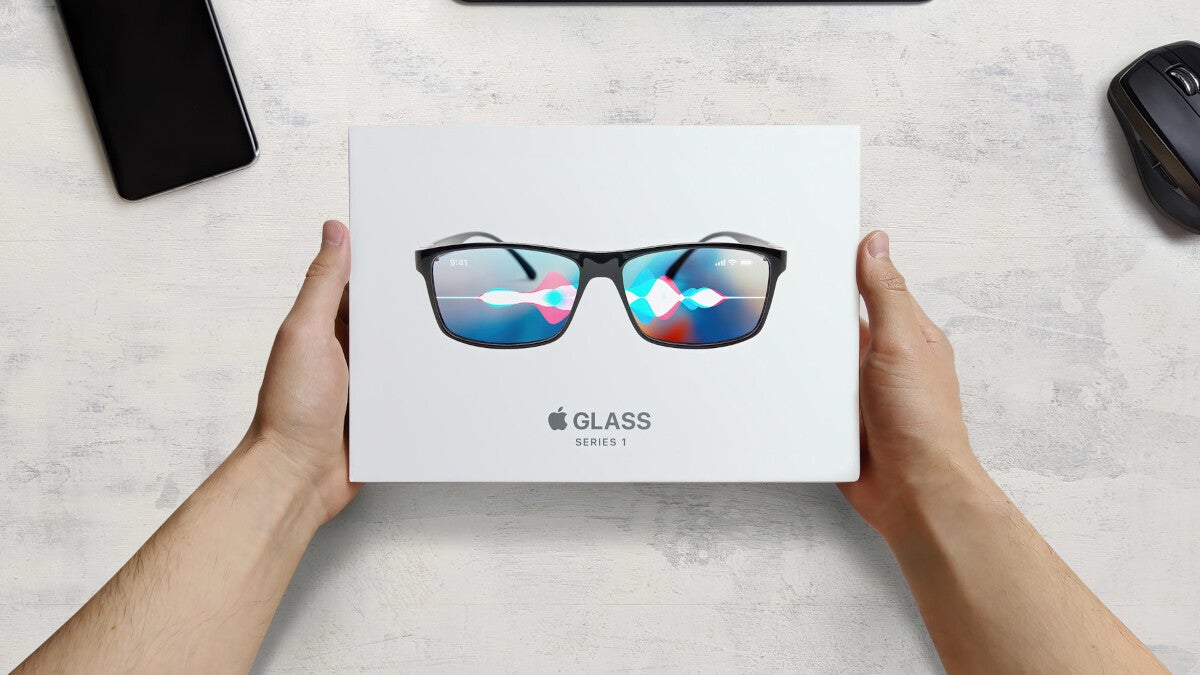
One of the models Apple is testing relies on removing the camera entirely, which eliminates most privacy-related concerns. In this case, the glasses would focus on AI features and productivity, including:
- Instant speech-to-text conversion.
- Translating conversations and signs.
- Displaying alerts and notifications.
- Accessing emails.
- Tracking appointments and calendars.
- Reading text messages.
Thus, the Apple glasses would become closer to a wearable smart assistant rather than a camera mounted on the face.
Option Two: A Camera That Sees But Does Not Record

The other scenario Apple is studying is including a camera, but preventing it from taking photos or recording video. This solution allows the glasses to use computer vision technologies without giving the user the ability to record, enabling many functions such as:
- Translating text in front of the user.
- Recognizing objects and places.
- Providing navigation instructions.
- Supporting artificial intelligence features.
In this way, the glasses would utilize the camera as a tool to understand the environment, not as a means to document it.
The Problem Apple May Face
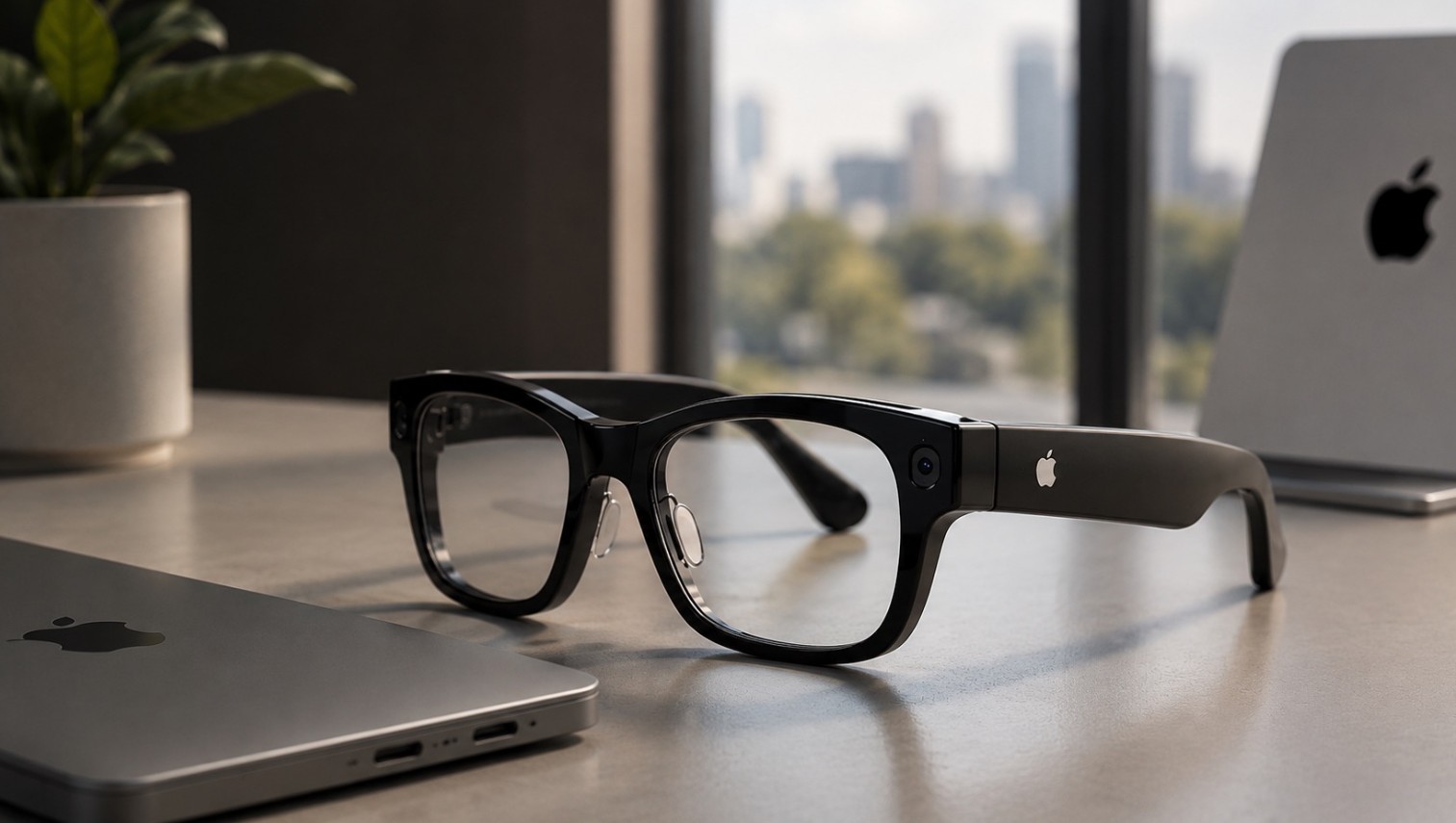
Although both options align with the company’s philosophy of protecting privacy, they could weaken the product’s market appeal. Many users buy smart glasses today for their ability to take photos and videos hands-free, whether while playing sports, traveling, or recording daily moments. Although this feature may sometimes be used controversially, it remains one of the most prominent reasons that drive users to acquire this type of device.
Competitors Offer What Users Want
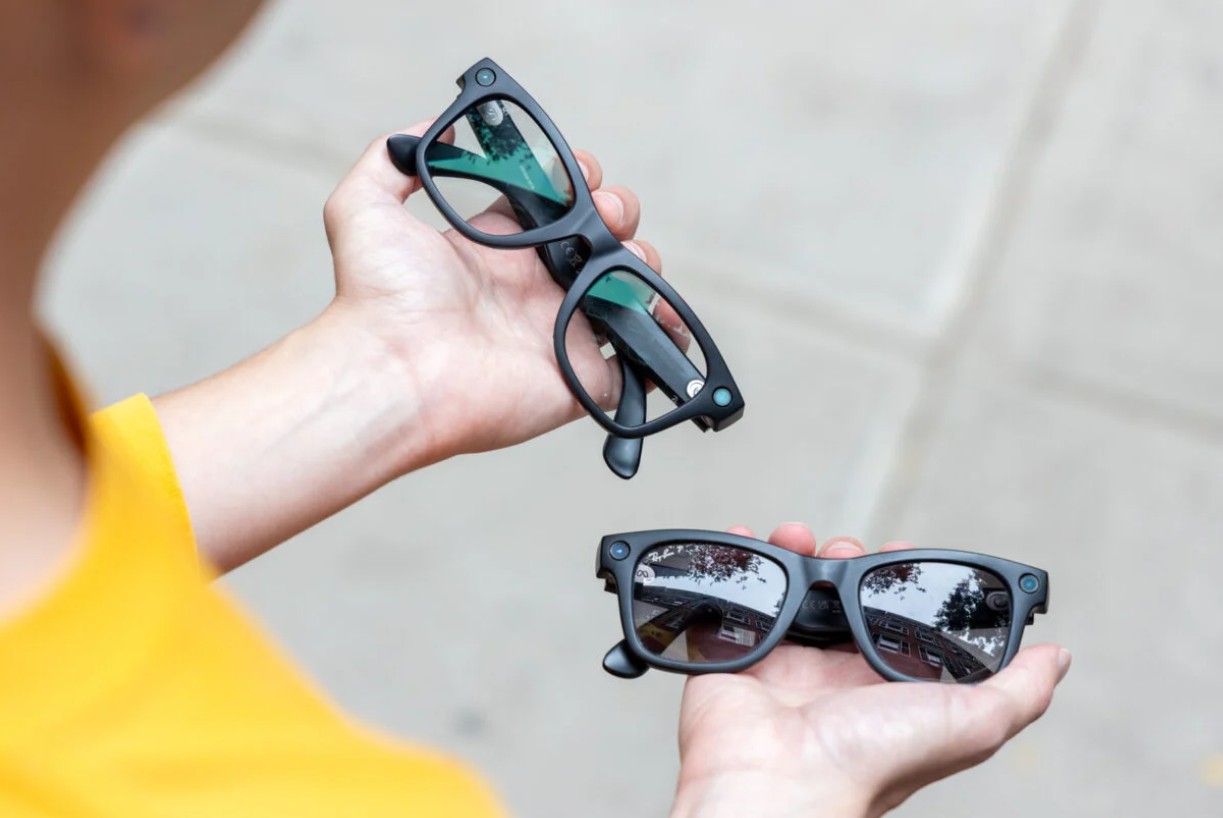
In contrast, Meta glasses, as well as those from Samsung and Google, provide cameras capable of capturing high-resolution photos and recording video, which gives them a strong marketing advantage and makes them more attractive to a wide segment of users. Despite the development of AI capabilities within these glasses, they have not yet become the primary reason most people buy them, as photography remains the most compelling function for many people.
The Privacy and Sales Dilemma
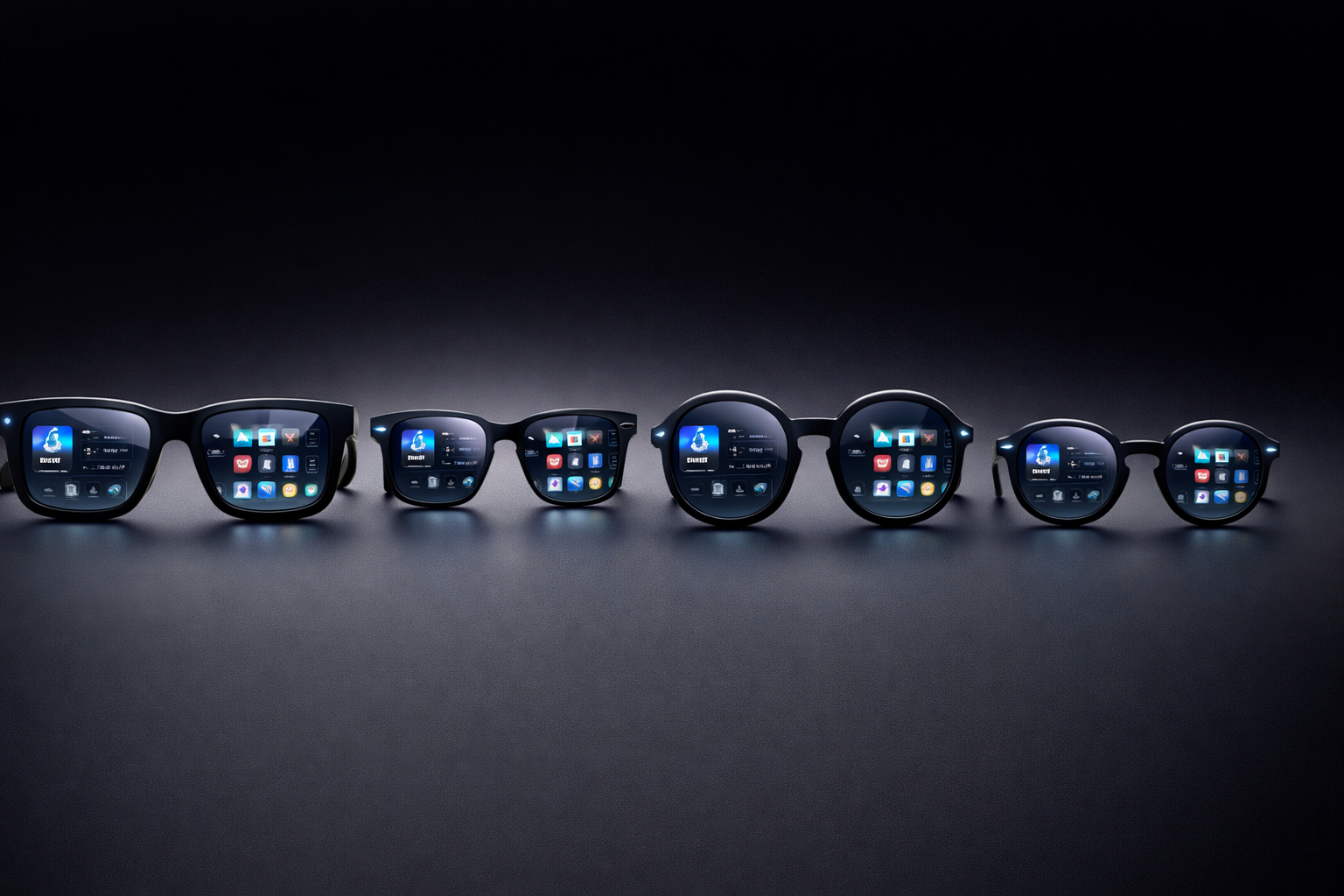
The real problem lies in the fact that Apple may have to choose between two paths that do not easily coexist. If it insists on offering glasses that protect privacy by doing away with photography, it may lose a large segment of users who are looking for a comprehensive experience. If it decides to provide a camera that captures photos and video like its competitors, it may expose itself to criticism that touches on one of the most important principles upon which it has built its identity over the past years.
That is why the company seems to be facing an extremely difficult decision, as any concession on the philosophy of privacy could affect user trust in its brand, while being too rigid in this aspect could lead to launching a product that is less competitive, consequently facing stagnant sales and heavy losses for a new product it introduces to the market.
Will Apple Succeed in Breaking the Equation?
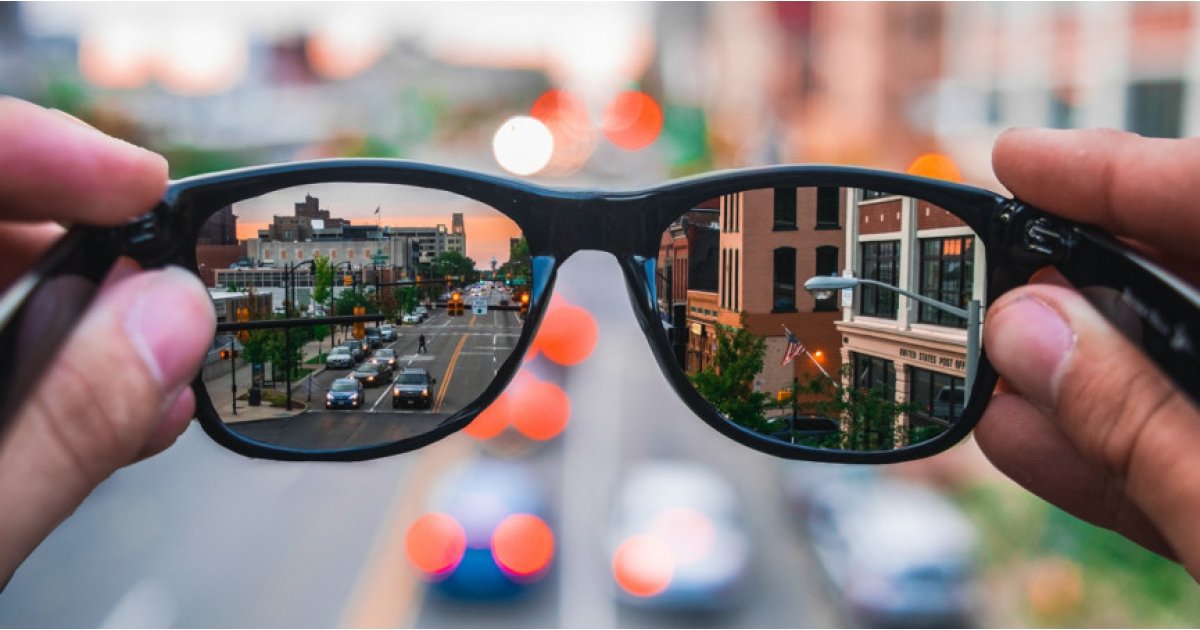
Apple has long been able to enter new markets and redefine entire product categories, but the smart glasses market imposes challenges that differ from phones, watches, and tablets. Competition here does not depend only on hardware quality or AI power, but is also linked to user expectations and the nature of daily use. Therefore, Apple will have to prove its ability to innovate an experience that strikes a balance between privacy and practical functionality, an equation that no company has yet been able to fully solve.
Ultimately, it can be said that in a market dominated by cameras and artificial intelligence, privacy seems to be a winning card, but it may not be enough on its own to double Apple’s profits. Between maintaining its historical principles and keeping up with user expectations, Apple stands before a test that could redraw its future in an entirely new category. When the company finally unveils its long-awaited glasses, it will become clear whether it has succeeded in solving this complex equation or whether it will pay the price for its adherence to the philosophy of privacy in a market that only recognizes what the user wants.
If you were in Apple’s shoes, what would you choose: a full-featured camera or greater protection for user privacy? Let us know in the comments!
Source:
Leave a Reply