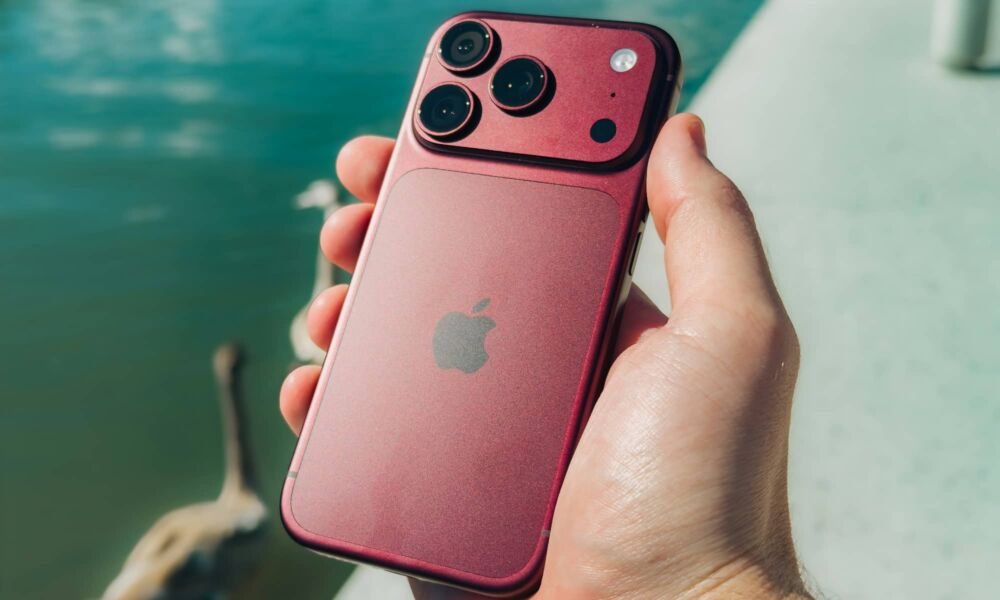
As the power of a phone increases, a problem arises that cannot be ignored: heat. A more powerful processor can deliver stunning performance, but the heat it generates can become the obstacle that prevents it from maintaining that performance for long. Here, Apple hides inside the iPhone 18 Pro a solution that the user may not notice, but it works the moment temperatures start to rise. It is the vapor chamber, which has become three times larger in area compared to the previous generation. But how does the new vapor chamber work? And why could a technology that seems so simple be as important as the processor itself? This is what we will reveal in the following lines.

How does a vapor chamber work?
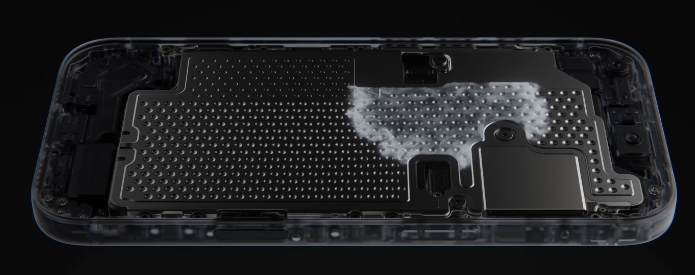
The idea is not fundamentally new; it is somewhat similar to the method used by some cooling systems in computers and servers. The goal is the same: to move heat away from the processor and distribute it over a larger area so that it does not concentrate in one spot.
However, a phone faces a problem that large computers do not face to the same degree. The internal space is extremely limited, and one cannot simply place a massive cooling system to move heat elsewhere as happens in some advanced cooling systems.
Therefore, the vapor chamber comes in the form of a thin, sealed layer, usually made of copper or stainless steel, containing a small amount of liquid. When the liquid heats up due to the heat coming from the processor, it turns into vapor and then distributes the heat across the entire phone chassis.
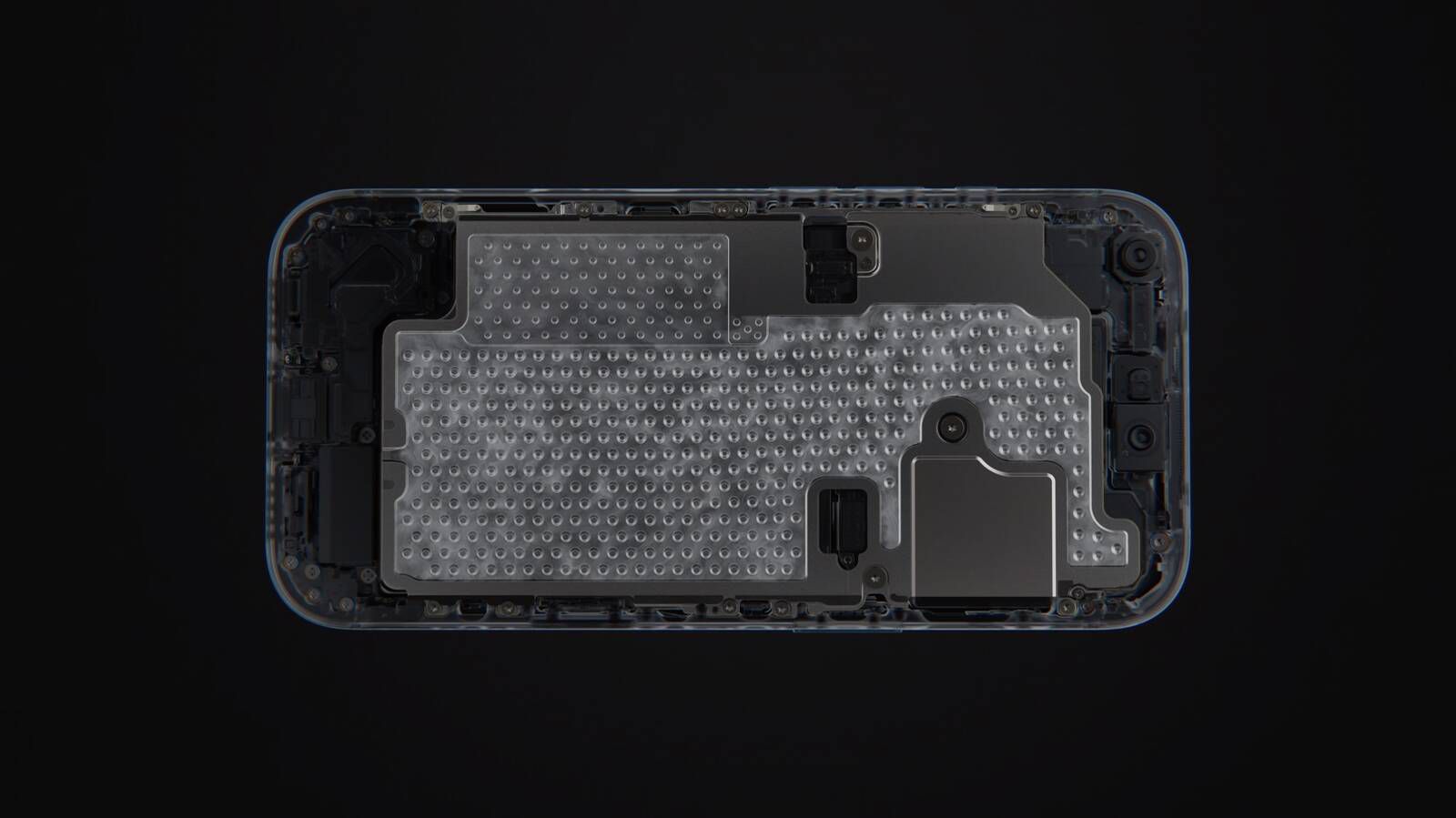
As the vapor reaches further, cooler areas, it begins to lose its heat and turns back into liquid. Since the chamber is tightly sealed, the liquid does not evaporate and escape; instead, it continues in this cycle over and over throughout the life of the phone.
The vapor chamber does not rely solely on the phone cooling process; it is often used with heat spreaders, such as thin sheets made of graphite or copper. In the case of the iPhone 18 Pro, Apple combined the vapor chamber with graphite and copper sheets to enhance the heat distribution and dissipation process.
Why is the vapor chamber important for smartphones?
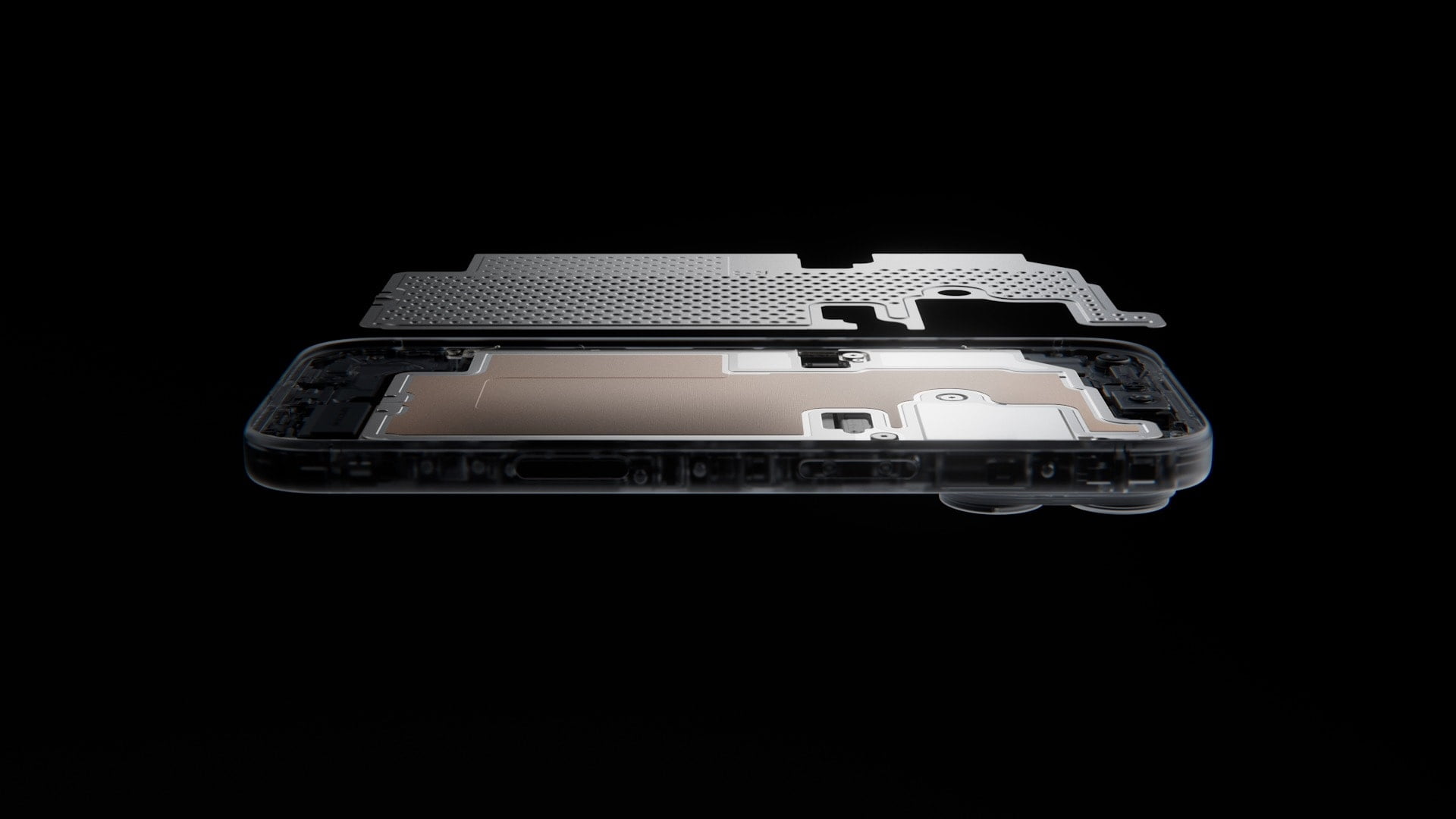
Getting rid of heat might seem simple, but in smartphones, it is more complex than it appears. A phone is a very small device, yet it contains a powerful processor, battery, sensors, antennas, and many components working within a limited space.
Take a device like the MacBook Air, for example. It can work efficiently and dissipate heat smoothly using a combination of heat spreaders, the metal chassis, and low-power processors. As for high-performance laptops, they have more space that can be utilized for massive cooling systems and powerful fans. A phone does not have this luxury because it is designed to remain thin, light, and pocketable.
Furthermore, the battery occupies a large part of the phone’s internal space to allow it to work all day. After adding the processor, sensors, antennas, and the rest of the components, the space available for heat dissipation becomes extremely limited.
This is precisely why you cannot simply put an extremely powerful processor inside a small phone and expect its performance to continue without limits. The more powerful the processor, the more heat it may produce, and if there is no effective way to get rid of it, the heat may reach levels that affect components and performance.
Vapor chamber size in the iPhone 18 Pro
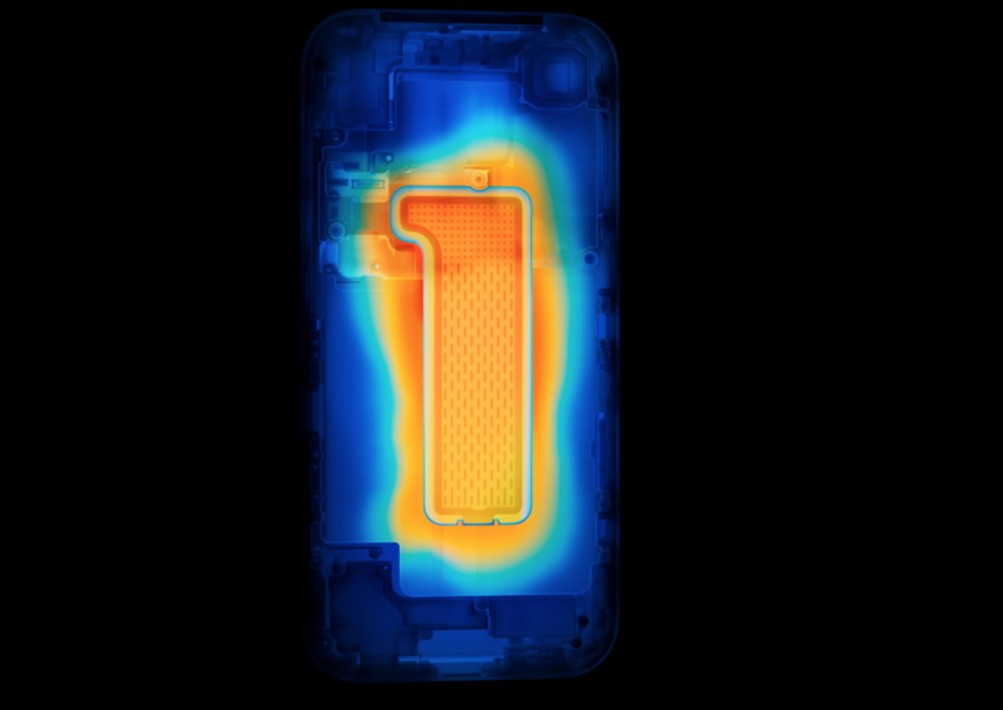
Apple says that the vapor chamber in the iPhone 18 Pro has a surface area three times larger than the previous generation in the iPhone 17 Pro. Theoretically, a larger area means better ability to distribute heat away from its source, thereby keeping the phone at lower temperatures and enhancing performance stability. This is why the company indicates that the new vapor chamber is capable of improving sustained performance by up to 40% compared to the previous generation.
Is the vapor chamber important when buying a phone?

For most users, the vapor chamber should not become a separate criterion that determines which phone they will buy. This technology has become more common in Android phones for years, and many have likely used phones that contain it without even knowing it existed. As vapor chambers gradually become a common technology in phones, you will not need to look for them specifically if you are buying a modern phone. However, if you are using an old phone or considering buying a phone from previous generations, in this case, the cooling system becomes a factor worth paying more attention to. More important than the vapor chamber and its size is to ask yourself: What do I want from my phone?
If your usage is limited to browsing TikTok, replying to emails, and using daily apps, you likely do not need an ultra-powerful processor in the first place, and therefore you will not need an advanced cooling system just to have a faster phone. But if you use the phone for editing 4K videos or playing graphics-heavy games, then heat dissipation becomes more important. High performance is not just about the speed the processor can reach, but its ability to maintain that performance for a long time without heat causing it to throttle.
Finally, you may not see the vapor chamber, nor will you interact with it directly while using the iPhone 18 Pro, but its effect appears in the moments when the phone starts working under pressure. The more powerful the processor, the more difficult an opponent heat becomes, and getting rid of it becomes an unavoidable part of the equation. This is where the cooling system plays its role in helping the iPhone work smoothly for a long time without any issues.
Will the vapor chamber make a real difference in the performance of the iPhone 18 Pro? Tell us your opinion in the comments!
Source:


Leave a Reply