There is a simple rule widely used in the world of electronic devices: the larger the device, the higher the price. But when it comes to the iPhone and the iPad, this rule is turned upside down. How can a tablet like the iPad, with its massive size, screen, and large battery, be cheaper than an iPhone that you can fit in your pocket? Of course, it may seem confusing, but you should be aware that size is not the only factor that determines the price. Behind the small design of the iPhone are sophisticated components and technologies that are not visible to the eye, and Apple uses a completely different strategy for pricing both devices. In the following lines, we will clear up the confusion you may feel and reveal what happens behind the scenes as we learn why you pay more for a smaller device, and what makes the iPhone exceed the iPad in price despite the difference in size between them.
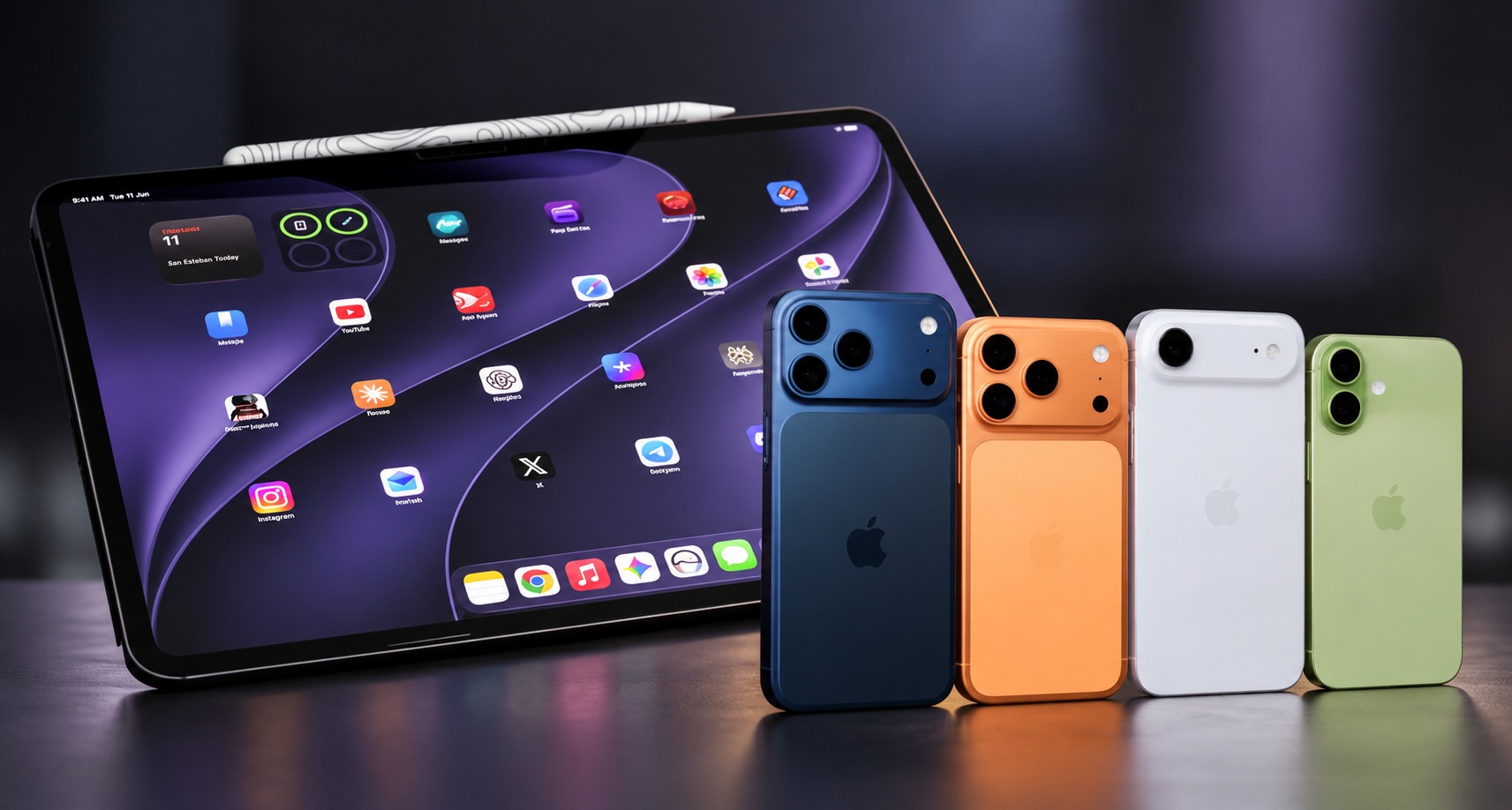
Smaller design is more complex
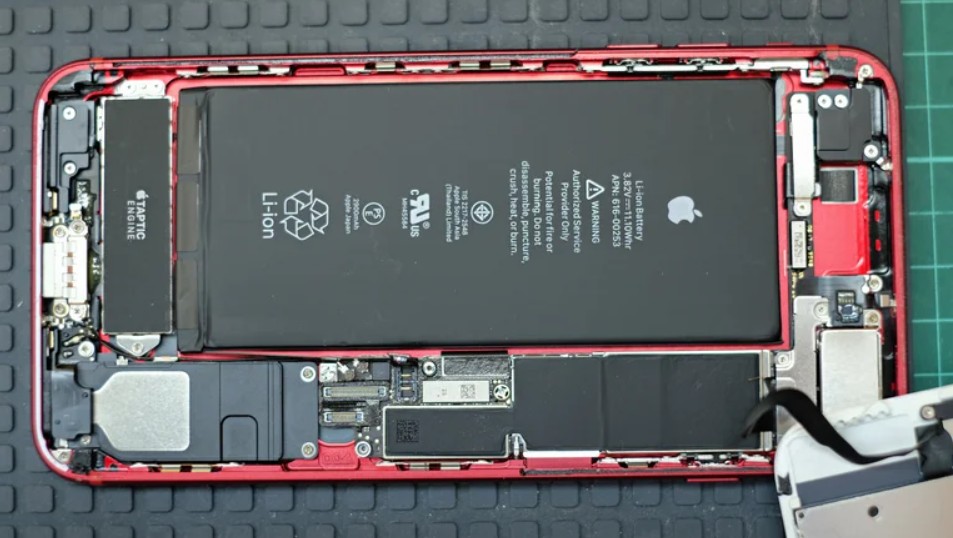
A smaller phone might seem easier to manufacture, but the opposite is true. Because Apple needs to fit the processor, battery, motherboard, sensors, speakers, and more into an extremely small space. These components must also be arranged precisely to avoid interference and manage heat efficiently, while maintaining the phone’s size, weight, and battery life. As for the iPad, it has more space, which gives engineers greater flexibility in distributing components and dealing with heat, which reduces design and development challenges.
The iPhone has more advanced components
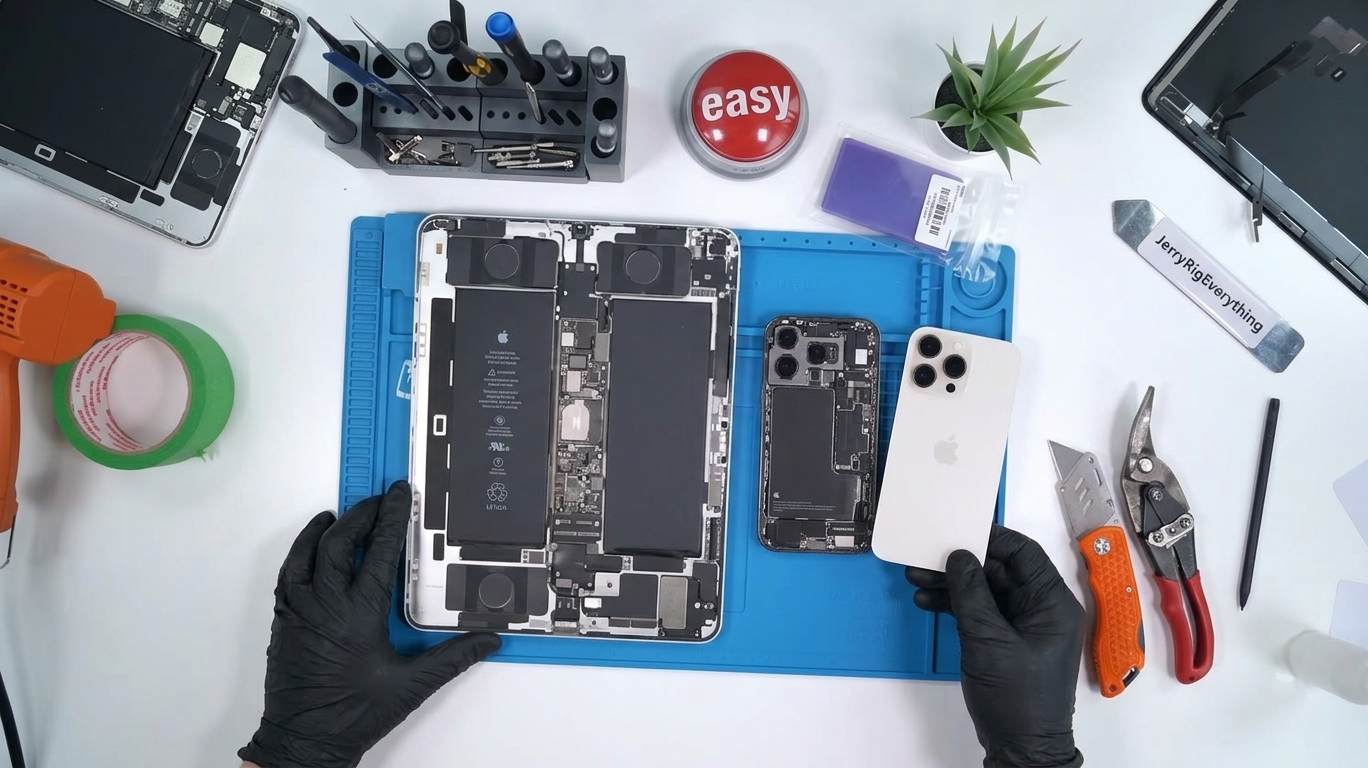
The difference between the iPhone and the iPad is not just about size, but what is inside each device. The iPhone includes a set of components that are not available in most iPads, especially the systems and antennas required for cellular connectivity and phone calls.
Also, the iPhone camera is vastly superior. For example, the iPhone 17 rear camera comes with 48 megapixels for each, while the iPad Pro with the M5 chip relies on a 12-megapixel rear camera. iPad cameras also lack some of the imaging capabilities found in the iPhone, such as optical zoom, better low-light performance, and certain video recording modes.
The gap in the screen also increases, because the iPhone 17 series uses an OLED screen, while LCD screens remain in iPads (except for the Pro category). Apple’s latest phones also offer ProMotion screens with a refresh rate of up to 120Hz, while most iPads are limited to 60Hz.
Furthermore, the processor differs between iPad models. The base 11th-generation iPad, released in 2025, uses the A16 chip that first appeared in the iPhone 14 Pro in 2022. Some iPads also lack features like MagSafe charging technology, NFC, and believe it or not, current iPads do not have an official water resistance rating.
Apple does not sell both devices to the same audience

Despite the similarity in the system and applications, the iPhone and iPad do not occupy the same place in the user’s life. For everyone, the phone has become an essential device for communications, messaging, navigation, photography, music, entertainment, and other daily tasks.
As for the iPad, it is usually an additional device used for entertainment, reading, and note-taking, with great importance for students and creators. That is why raising its price significantly might make it less attractive compared to devices like Chromebooks or laptops.
For this reason, Apple sells iPads at a low price to attract more users to its ecosystem, then benefit from their spending on its various services. The company also tries through the iPad to compete strongly and capture a large share of the education sector.
In contrast, the iPhone represents the company’s largest source of income by a wide margin. Therefore, Apple is keen to develop the phone more and add advanced specifications and technologies. The company has also maintained its image as a luxury product for years, which makes launching an extremely low-priced iPhone something that could harm this status that the company has built over many years.
The iPad is not always the cheapest
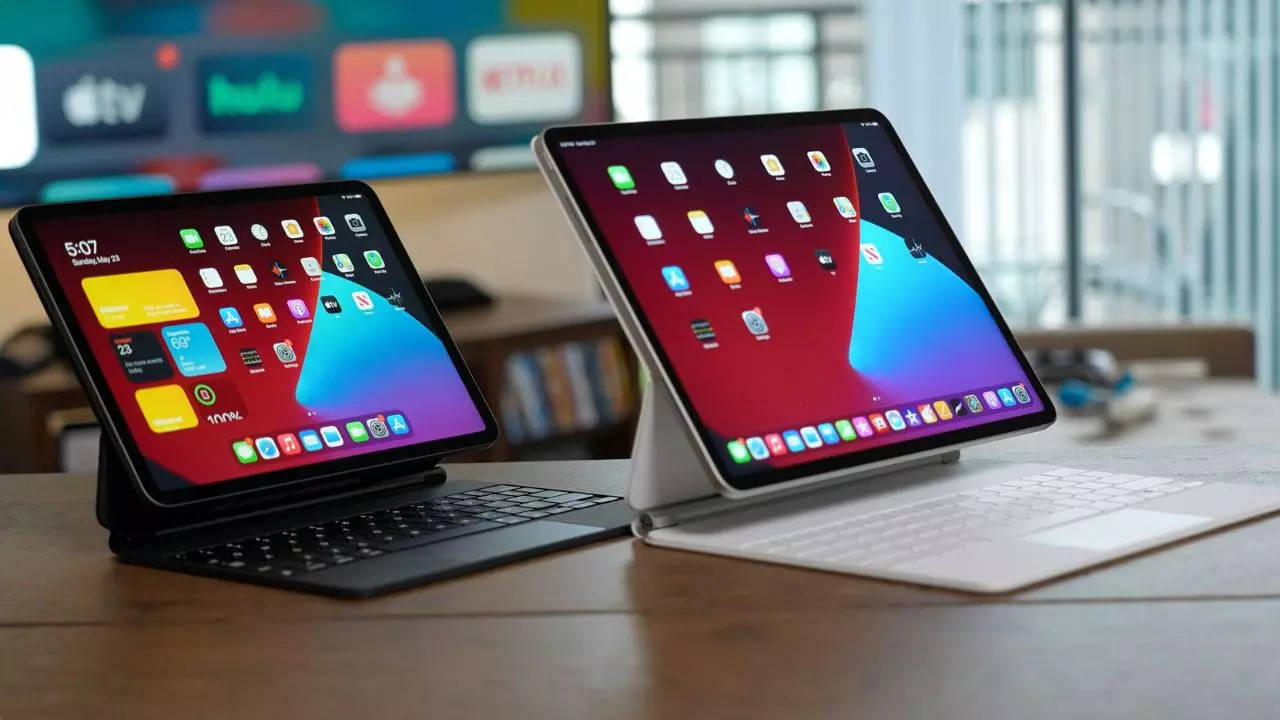
When moving to higher categories, the picture is completely reversed. The base iPad price starts at $449 for the 128GB version and reaches $749 for the 512GB version, while supporting the cellular feature means adding another $150 to the price. This means that an iPad with 256GB and cellular connectivity reaches $700, which is $100 higher than the iPhone 17e, knowing that the iPad screen is of lower quality, its camera is weaker, and it cannot make calls without Wi-Fi.
Prices get higher with advanced categories. The iPad Air with the M4 chip starts at $749, while the iPad mini starts at $600. As for the iPad Pro, its price can easily exceed that of the most expensive iPhone, as the iPhone 17 Pro Max with 2TB reaches $2000, compared to $2600 for a 13-inch iPad Pro with an M5 chip and 2TB capacity, before adding $100 for nano-texture glass and $200 for cellular connectivity. This category of iPads targets professionals and competes with laptops and desktop computers.
In the end, the price of the iPhone and iPad cannot be judged by size alone. Behind every dollar you pay are factors related to engineering, components, and specifications, in addition to the role each device plays within Apple’s ecosystem. Perhaps the real irony is that the smaller device is not necessarily the simplest, and the larger one is not necessarily the most expensive. When you look at what the devices hide behind the screen and design, you will discover that the price difference between the iPhone and the iPad is not a coincidence, but the result of precise calculations determined by Apple before any device reaches users.
In your opinion, is the iPhone worth its high price compared to the iPad? Tell us in the comments!
Source:
Leave a Reply