OpenAI has sounded a clear alarm, warning that we are approaching an era of AI-enhanced cyberattacks that could become faster and more dangerous than most systems can defend against. More than 150 major companies in the fields of technology, finance, and cybersecurity quickly answered the call to sign a collective action pact for digital defense. The list includes giants like Google, Microsoft, Amazon, Oracle, and even its fierce rival, Anthropic. However, among all these prominent names, there was one notable and thought-provoking absence: Apple did not place its signature anywhere on this document.
OpenAI’s call: AI on the front lines of attack
The alliance document, titled “A Call for Collective Action in Cyber Defense,” is based on a worrying premise: AI is rapidly approaching a tipping point that makes its use in launching digital attacks more effective and less costly than defending against them. The danger here does not only target corporate servers but extends to critical infrastructure such as water treatment plants, hospitals, and the networks that keep the internet running—facilities that have historically suffered from weak budgets and a lack of security expertise.
To practically emphasize the gravity of the situation, researchers from the network security firm Calif—a participant in the alliance—demonstrated how commercially available AI tools could fully compromise a macOS system by relying on a model from Anthropic. Although the pact issued explicit invitations to tech companies and world governments to coordinate efforts and provide urgent support lines for vulnerable facilities, Apple (alongside other companies like Meta and Nvidia) remained outside this bloc without an official comment.
Why does Apple prefer to march to the beat of its own drum?
For those who know Cupertino’s philosophy well, the refusal to join collective statements sponsored by other companies is no major surprise. Apple always promotes its digital security as a self-contained ecosystem built into the core of its hardware and processors, where maintaining user privacy on-device remains the first line of defense, far from joint cloud-based initiatives.
There is also a more complex aspect related to the thorny relationship between Apple and OpenAI. Despite integrating ChatGPT as an external AI tool in Apple’s system, the waters between the two parties are no longer entirely calm; the two companies are engaged in a legal dispute over trade secrets related to hardware. Furthermore, Apple preferred to rely on Google’s Gemini models to develop the intelligence for the Siri assistant in iOS 27 after internal testing, not to mention OpenAI’s announced plans to enter the hardware market and work on smart devices in collaboration with designer Jony Ive, which could one day put it in direct competition with the iPhone.
A critical timing
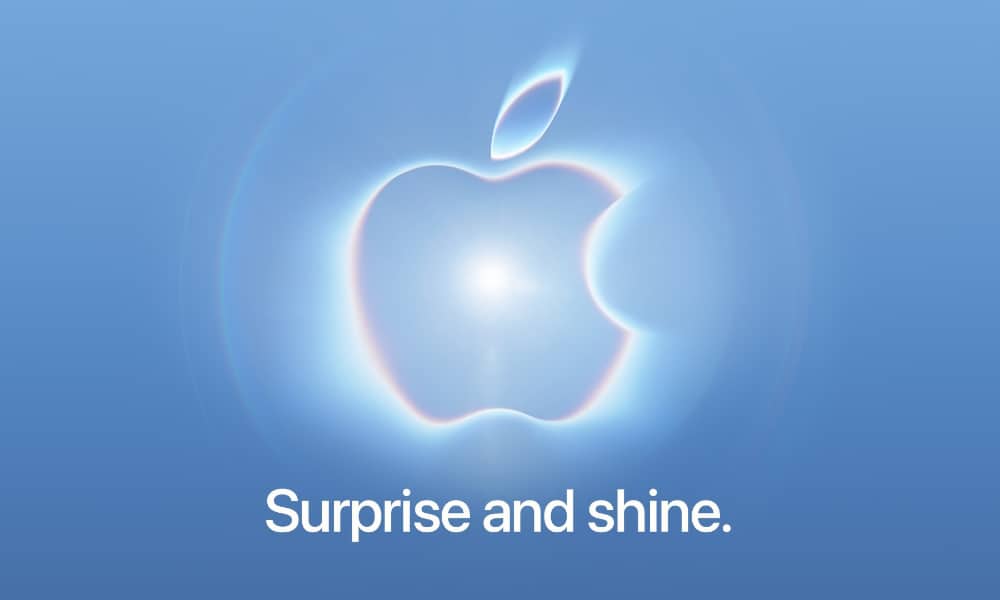
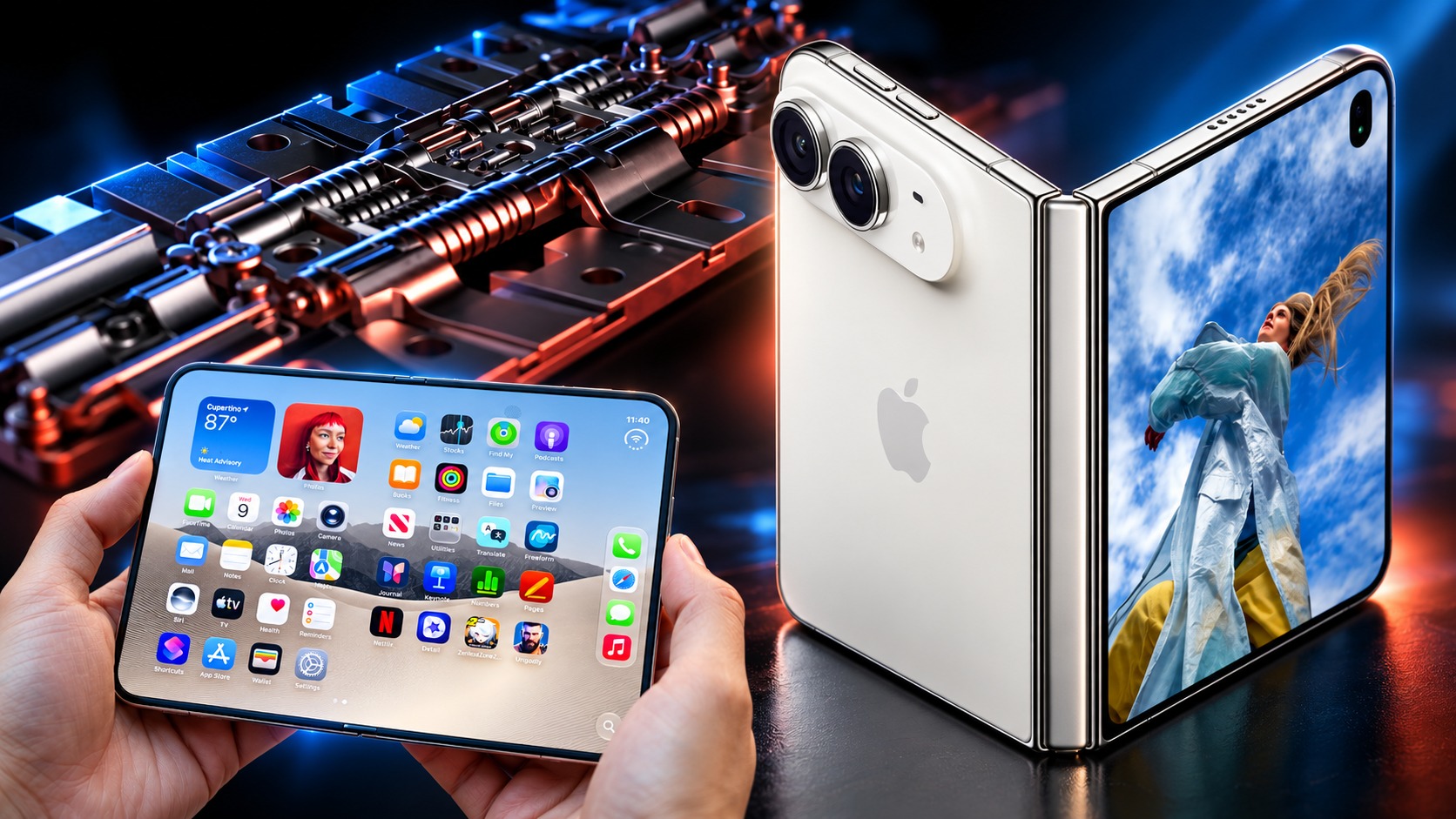
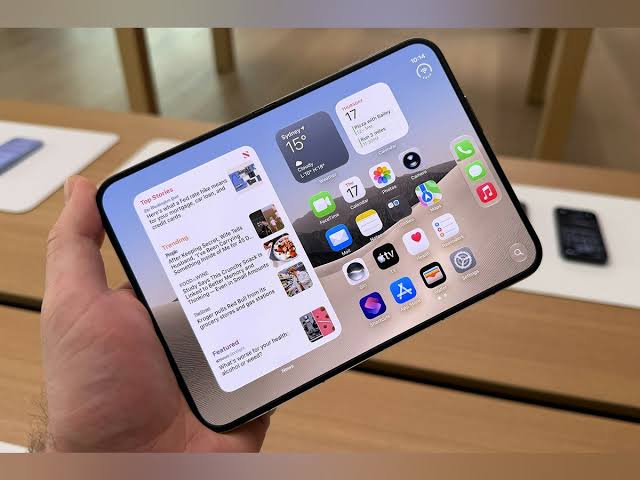
Beyond strategic and technical calculations, timing may play a decisive role in this stance. Apple has recently gone through a delicate leadership transition with John Ternus taking over as CEO, and it has placed its full focus at the moment on its biggest conference of the year and its new devices announced at the September 9 event titled “Surprise and Shine”: the iPhone 18 Pro and iPhone Duo, alongside the Apple Watch Series 12 and Apple Watch Ultra 4. It is natural at such pivotal moments for Apple to avoid any media moves or side alliances that might distract the world’s attention from its new devices and its independent path.
Source:
Leave a Reply