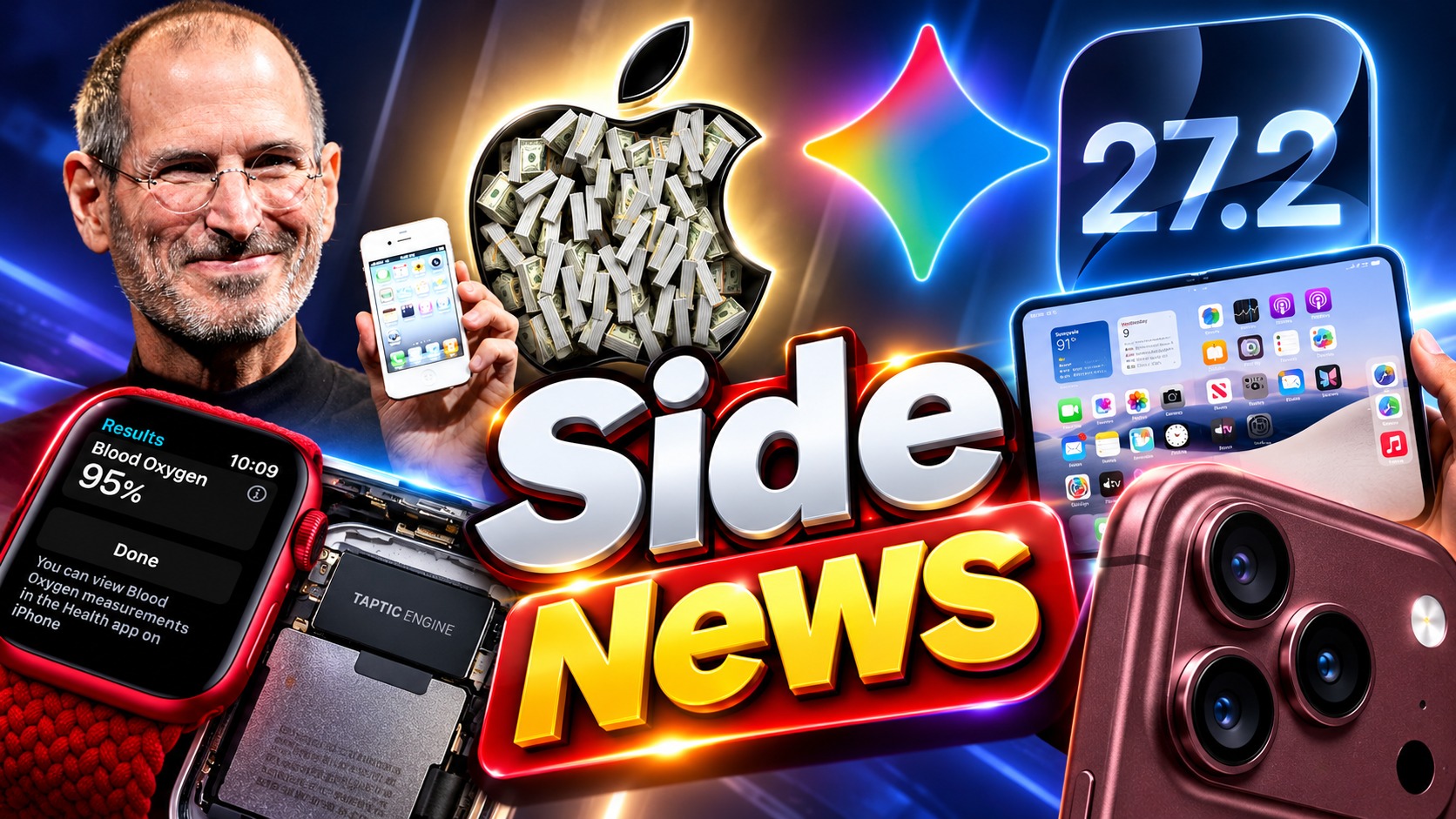
Apple store closures in the UAE, iOS 18.7.6 update for older iPhone models, iPad Pro with an advanced vapor‑cooling system, a foldable iPad, ChatGPT receiving the GPT‑5.3 update, and other exciting news on the margin…

Apple Store Closures in the UAE

Apple has closed all its stores in the UAE—three in Abu Dhabi (Yas Mall, Jumeirah Mall, and Al Maryah Island) and two in Dubai (Dubai Mall near Burj Khalifa, and Mall of the Emirates). The closure was initially temporary until Tuesday, March 3 at the earliest, but was extended to March 5 and remains closed, potentially lasting until further notice; this complies with the UAE government’s recommendation for the private sector to avoid staff being in open spaces. Apple internally described the reason as a “security situation” amid rising Middle‑East tensions due to the US‑Iran war.
macOS Warns You About Unequal USB‑C Port Speeds on MacBook Neo
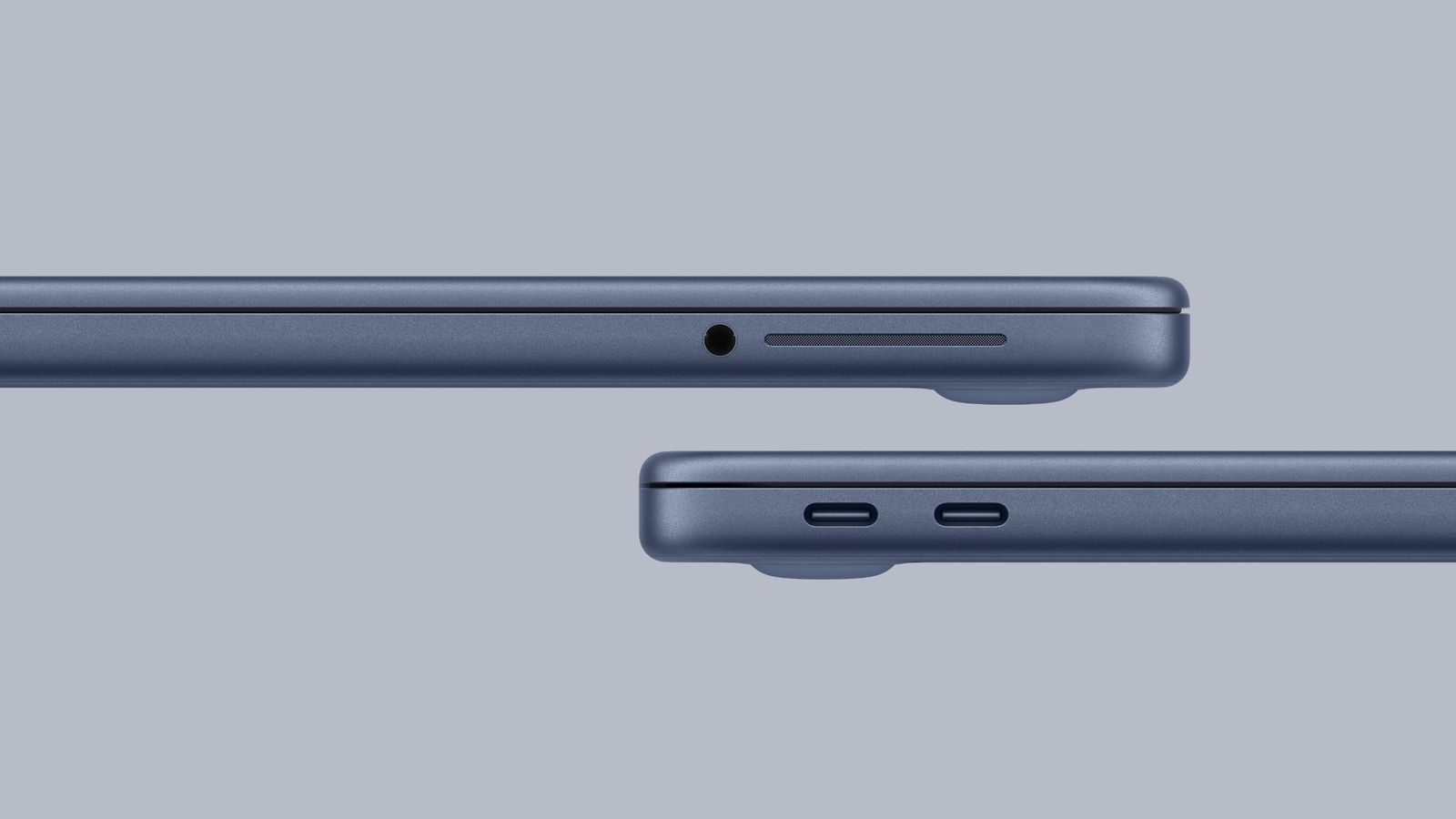
The new MacBook Neo features two USB‑C ports, but they are not equal: the left port is faster, supporting up to 10 Gb/s and can drive an external 4K display at 60 Hz, while the right port, closer to the trackpad, is much slower (only 480 Mb/s) and does not support external displays. Because the ports differ, you might plug a monitor into the wrong one, but macOS will gently alert you and suggest using the correct port. Pre‑orders are now open starting at $599 ($499 for university students), with shipments arriving on March 11.
Apple No Longer Includes a Charger with New MacBooks in the UK and EU

All new MacBook Neo, MacBook Air, and MacBook Pro models announced by Apple this week will ship without a charger in the United Kingdom and EU countries such as Germany, France, Italy, and Spain. This change began last year with the base 14‑inch MacBook Pro. If you need a power adapter, you must purchase it separately, either at the time of order or later, whereas in the United States Apple still includes a charger for free (e.g., a 20 W USB‑C charger for the MacBook Neo or a 140 W charger for the 16‑inch MacBook Pro). All of these computers do include a USB‑C or MagSafe 3 charging cable worldwide.
ChatGPT Receives the Fast GPT‑5.3 Update
OpenAI announced today a high‑profile update to ChatGPT called GPT‑5.3 Instant, which delivers more accurate answers and better contextual understanding when searching the web, while reducing hallucinations and overly dramatic warnings such as “stop and breathe.” The update fixes the previous tone that could appear embarrassed or condescending, makes conversation feel more natural, stops refusing simple questions, and avoids assuming malicious intent. It also balances web‑derived information with the model’s own knowledge for higher‑quality responses. The update is now available to all ChatGPT users, with further updates planned for other versions.
Anthropic Adds Free Memory Feature and Import Tool
Anthropic aims to attract ChatGPT and Gemini users with a new free tool that imports past memories and conversations into Claude, so new users don’t have to start from scratch. You can simply request a list of your memories and context from another AI (e.g., “export all your memories about me as a code block”) and paste it into Claude’s input box, where it will be saved automatically. The memory feature was previously available only to paid subscribers since October 2025, but it is now free for everyone, alongside other capabilities such as compression, file handling, and skills—especially after ChatGPT introduced ads for free users while Claude remains ad‑free. It can be enabled in Claude’s settings, and the iOS app is now free in the App Store.
Apple Asks Google to Run Siri on Its Servers

Apple has asked Google to explore setting up servers in its data centres to run a future Gemini‑powered version of Siri. Currently Apple relies on its own Private Cloud Compute for complex AI queries, but utilization is low (only about 10 %) and some capacity remains idle. With the new Siri launch this year, demand could surge, and Apple faces challenges building its own infrastructure because it has historically focused on consumer hardware rather than cloud services, leading some experts to leave and prompting reliance on external providers such as Amazon.
Previously Apple rejected Google’s servers over privacy concerns, but changed its stance in 2023 after Google introduced additional security measures, and has since begun using Google’s infrastructure for AI workloads. Apple’s own chips are designed for personal devices and are not optimal for large models like Gemini, and updating them takes longer, so Apple wants to prepare for increased AI usage on its devices by leveraging Google’s servers.
Apple Develops a Large‑Format Foldable iPad, Possibly Arriving by 2029
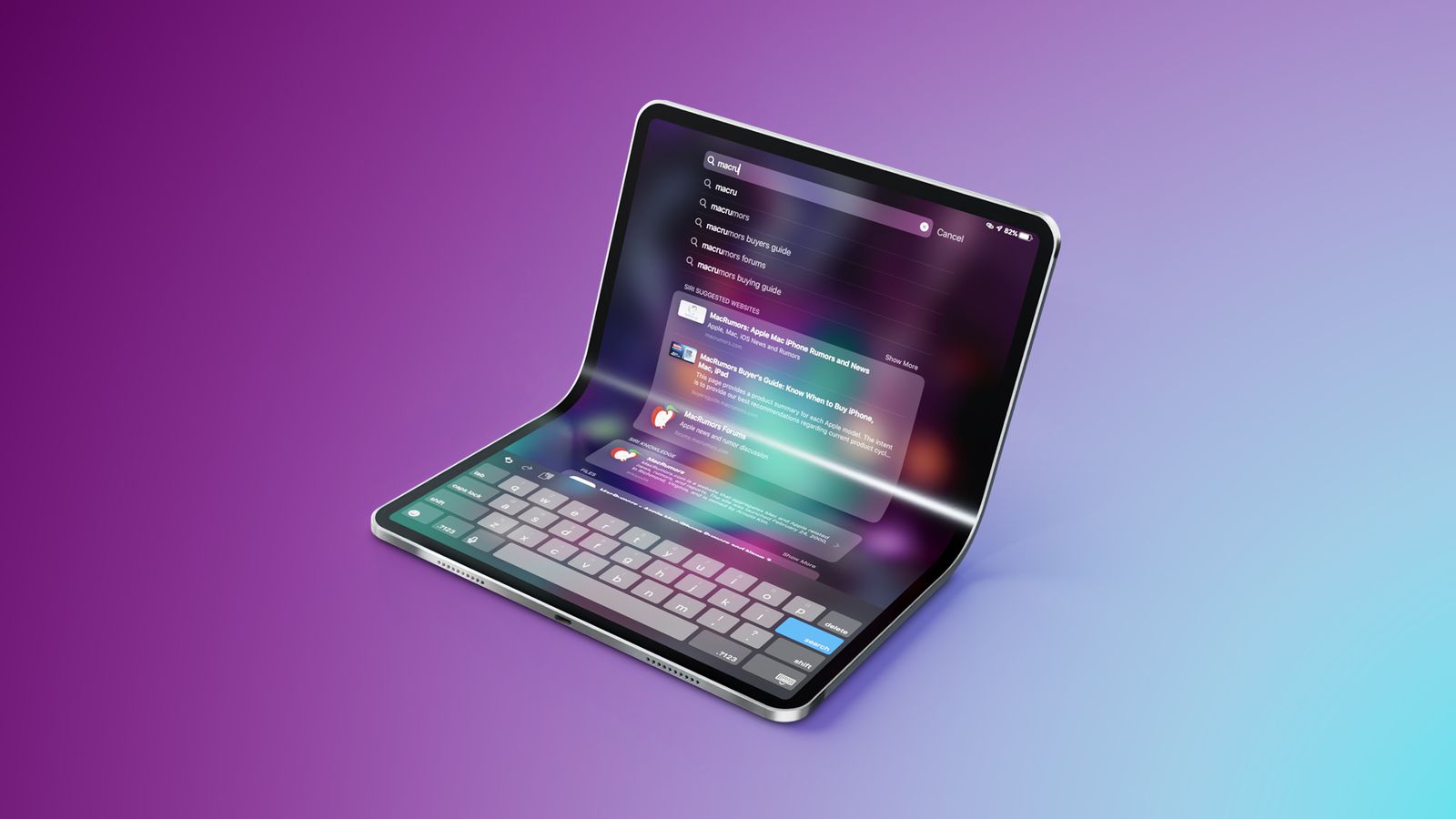
Apple continues to work on a foldable iPad with an 18‑inch screen, similar to Samsung’s large foldables, despite technical hurdles such as weight (3.5 lb in current prototypes) and a visible line on the display. The device could resemble a closed MacBook (aluminum chassis without an external keyboard) that opens to the size of a 13‑inch MacBook Air, blurring the line between iPad and Mac. Rumors suggested development was halted last year, but Apple reportedly planned a 2028 launch, later pushed to 2029 because of weight and screen‑line issues. The price could be three times that of a 13‑inch iPad Pro—around $3,900 if component costs don’t drop.
Upcoming iPad Pro to Feature Advanced Vapor‑Cooling System in 2027
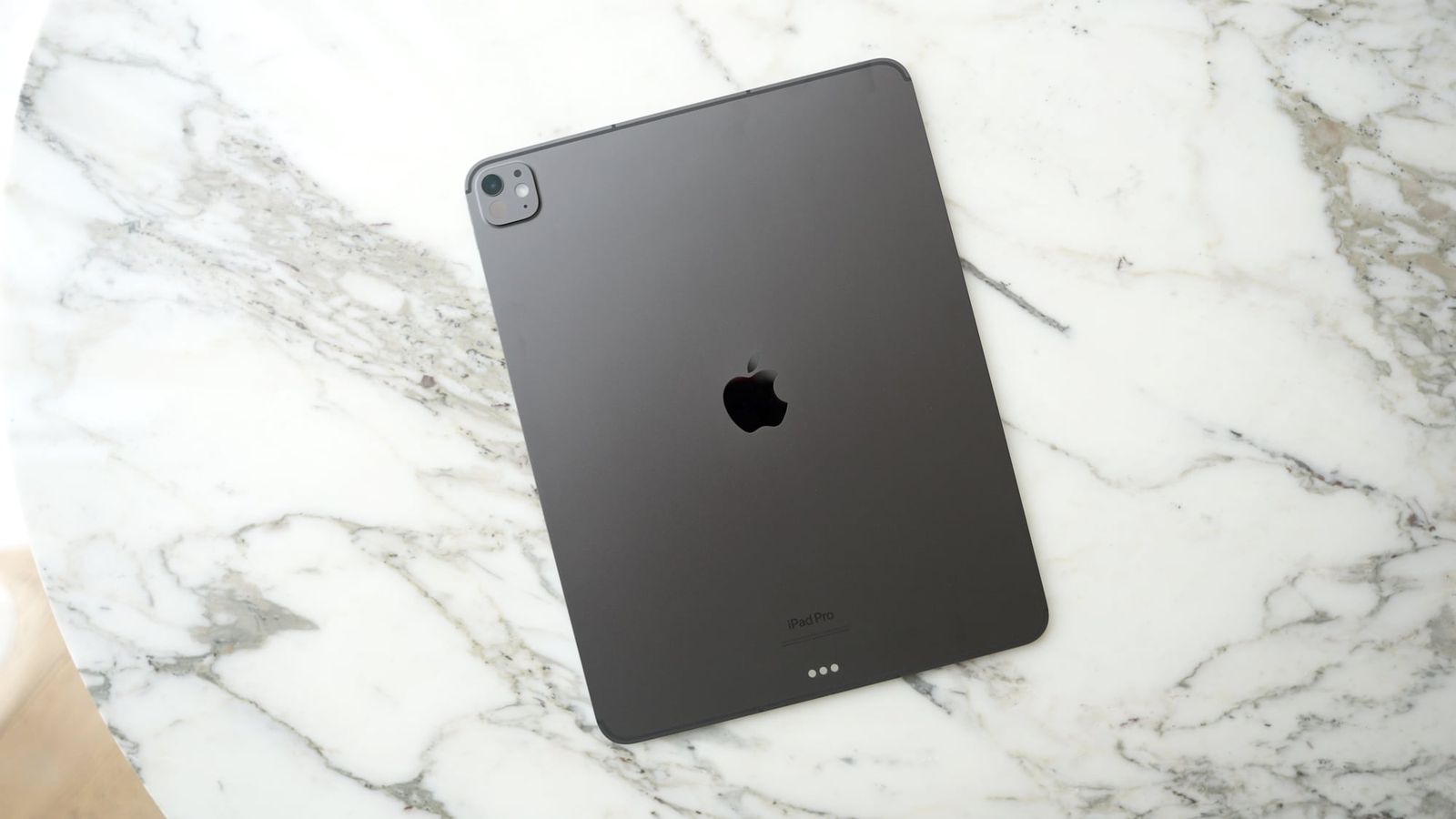
Apple plans to add a vapor‑cooling system (similar to the one in iPhone 17 Pro) to the ultra‑thin iPad Pro expected in spring 2027. The system circulates a small amount of pure water to transport heat away from the M6 chip (built on a 2‑nm process) and spread it through the aluminum chassis, improving sustained performance by about 40 % in heavy tasks such as editing and gaming, and reducing throttling under sustained load.
iPhone and iPad Become the First Consumer Devices Certified for NATO Classified Data
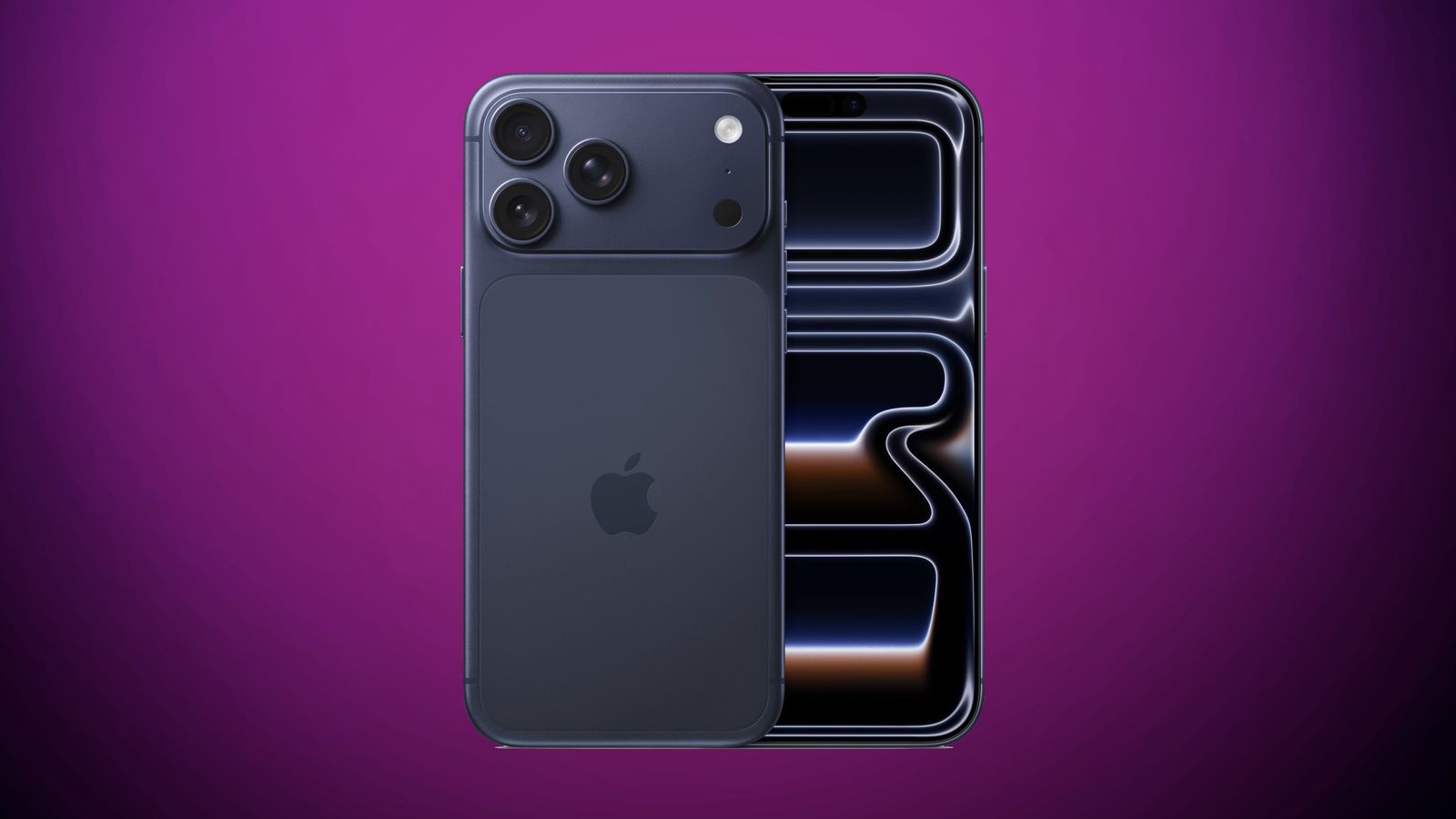
Apple announced that its iPhone and iPad models are now officially certified by NATO to handle sensitive and classified information, making them the first mass‑market consumer devices to reach this high security level. Thanks to modern operating systems (iOS 26), organizations no longer need custom software or complex modifications to protect their data, as built‑in protections such as encryption and Face ID have proven sufficient to meet stringent international standards. This achievement means the same advanced security technologies you use daily in your device are trusted by the world’s leading security agencies to safeguard their secrets.
Leaks Suggest an AI‑Powered AirPods Upgrade This Year
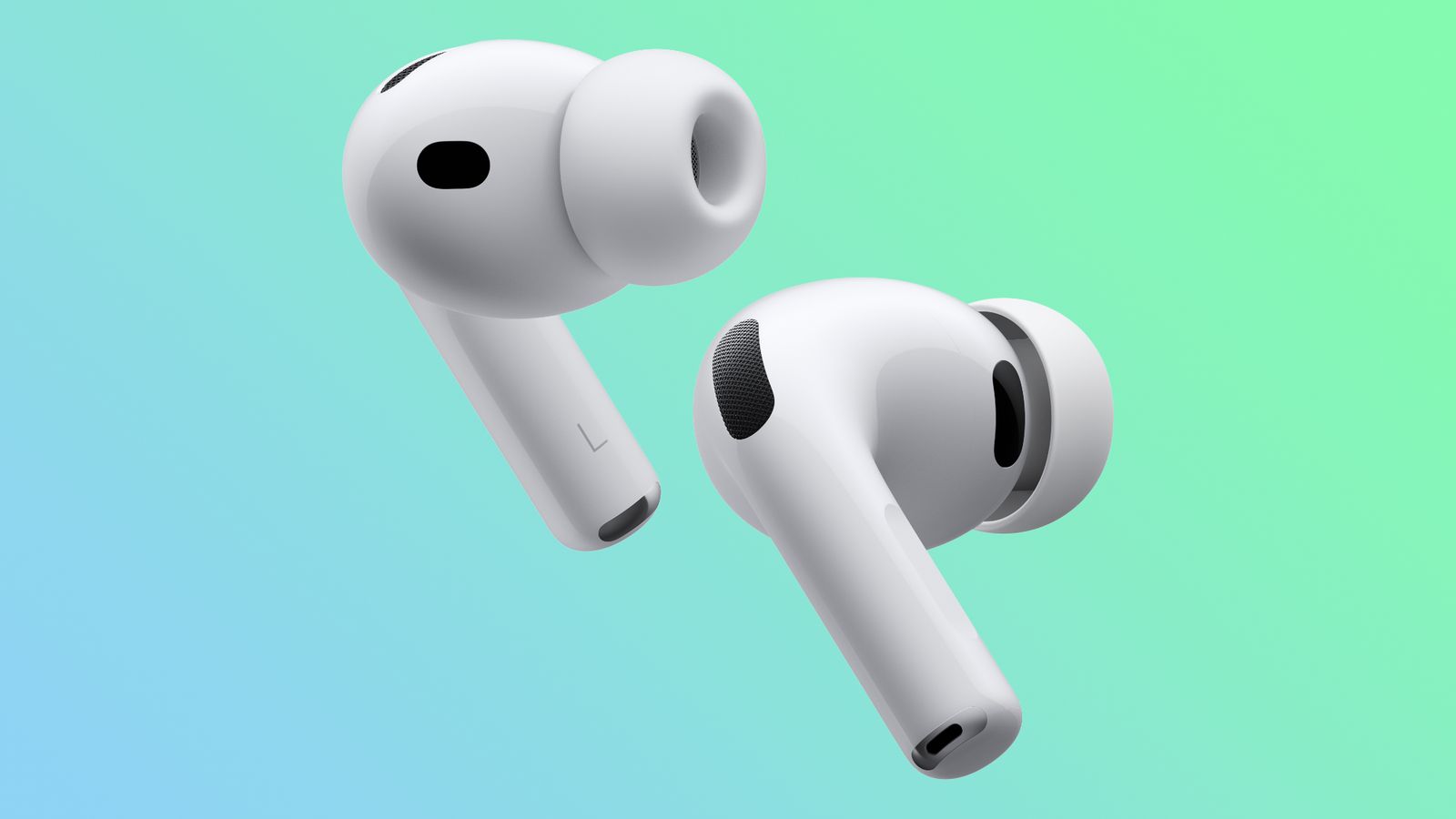
Even though AirPods Pro 3 launched less than six months ago, rumors are circulating about a higher‑end release later this year—not a fourth generation, but an enhanced version of the third generation priced around $299‑$349 (versus $249 for the standard model). The upgrade would add tiny infrared cameras that enable hand‑gesture control in the air and improve audio with Vision Pro integration, linking it to Apple Intelligence and visual AI for object recognition.
It would be the first time Apple offers two AirPods Pro models side by side, akin to the regular AirPods 4 and ANC version, and could be announced in September or October.
Apple Releases 26.3.1 and iOS 18.7.6 Updates
Apple rolled out the 26.3.1 update for all its devices, primarily to support the new Studio displays, and says the update also fixes several issues.
Apple also released iOS 18.7.6 for older iPhone models such as the XS and XR after those phones experienced difficulty connecting to emergency services in Australia. The problem stemmed from changes in local carrier networks, which made some earlier updates worsen the issue. The new version aims to repair those faults and ensure users can place emergency calls safely and reliably.
Sources:
1 | 2 | 3 | 4 | 5 | 6 | 7 | 8 | 9 | 10 | 11


Leave a Reply