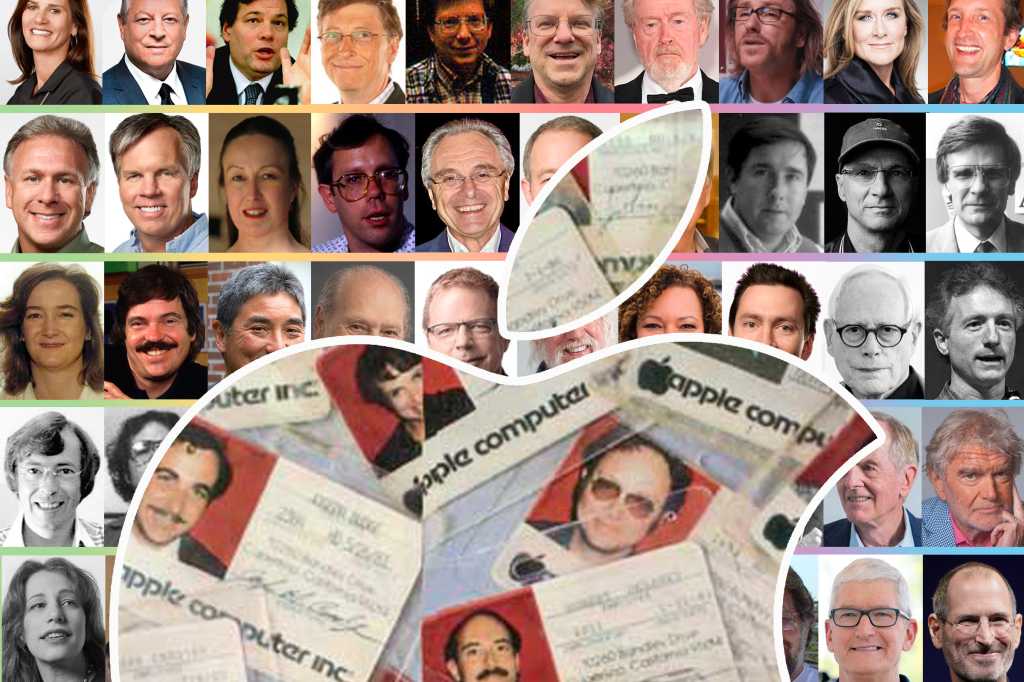
On the first of April, Apple will celebrate its fiftieth anniversary, an incredible achievement that would not have been possible without a group of creative minds and ambitious souls. At Phonegram, we decided to highlight 50 figures who left an indelible mark on the history of this entity, whether they were employees who spent decades behind their desks, or external influencers who never worked inside the company’s walls but completely changed its trajectory. This list reflects opinions you might disagree with, but it undoubtedly opens the door to a discussion about who truly deserves the title of “Maker of the Apple’s Glory.”
From PR Behind the Scenes to the Board of Directors
We begin our list at number 50 with Katie Cotton, the PR legend who joined Apple in 1996. Katie was not just an employee; she was the true architect of the culture of secrecy for which Apple is famous today. She worked side-by-side with Steve Jobs for 15 years, skillfully and fiercely controlling how the company appeared in the media. Katie passed away in 2023, but her legacy in protecting Apple’s privacy and prestige remains alive in the halls of “Apple Park.”

In 49th place, we find Al Gore, the former US Vice President. Some might wonder about his inclusion on the list, but Al Gore joined Apple’s board of directors after losing the presidential election, bringing with him political weight and experience in managing massive organizations. Jobs himself described him at the time as having immense wisdom that helped the company make major strategic decisions and environmental directions that we see clearly in our products today.
CEOs and Competitors Who Changed the Balance
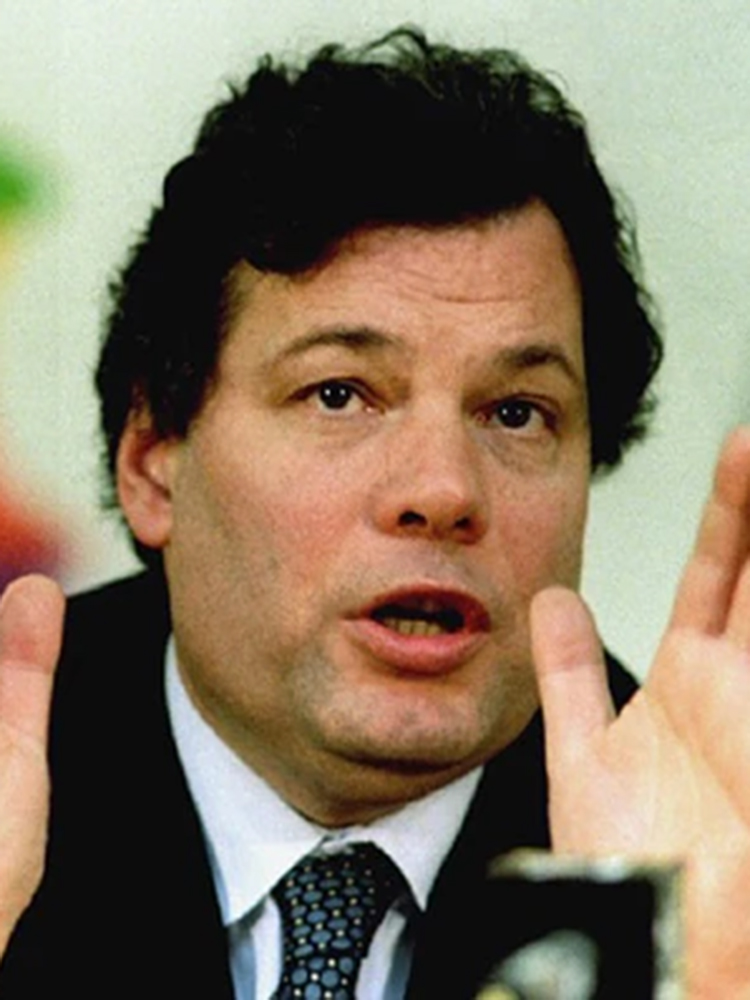
In 48th place comes Michael Spindler, one of the seven CEOs who led Apple. He took the helm from 1993 to 1996, and although his tenure was not “golden” in the literal sense, he is credited with launching the first Mac computers running on PowerPC processors and undertaking the bold Mac cloning licensing experiment. Spindler tried to merge the company with IBM at a time when the ship was wobbling, and despite his failures, he remained an integral part of the company’s survival in the nineties.

One cannot talk about Apple’s history without mentioning Bill Gates, whom we place in 47th place. For Apple fans, Gates is the eternal rival, but the bitter truth that some may not like is that Apple might not have survived without Microsoft’s $150 million investment in 1997. Gates was the one who made this fateful decision, which gave the company the oxygen needed to return from the brink of bankruptcy. It was a dramatic deal, but it ended in everyone’s favor.
Early Engineers and Cinematic Creators

In 46th place stands the name Bob Belleville. His story with Jobs summarizes the harshness of working at Apple; Jobs recruited him from Xerox with an insulting line: “Everything you’ve done in your life is crap, so why don’t you come work for me?” Surprisingly, Belleville agreed! He spent three years leading Macintosh engineering and developing the LaserWriter printer. Belleville later admitted that working under Jobs drained his life and destroyed his marriage, but he cried sincerely upon the death of his former boss.

As for Chris Espinosa, who holds 45th place, he is the living embodiment of loyalty. He joined Apple as employee number 8 in 1976 when he was only fourteen years old, and he still works at the company to this day! Chris did everything, from writing operating manuals to working on Xcode and AppleScript. He is the company’s living memory, and the man who witnessed every little detail in the Apple journey from the garage until today.
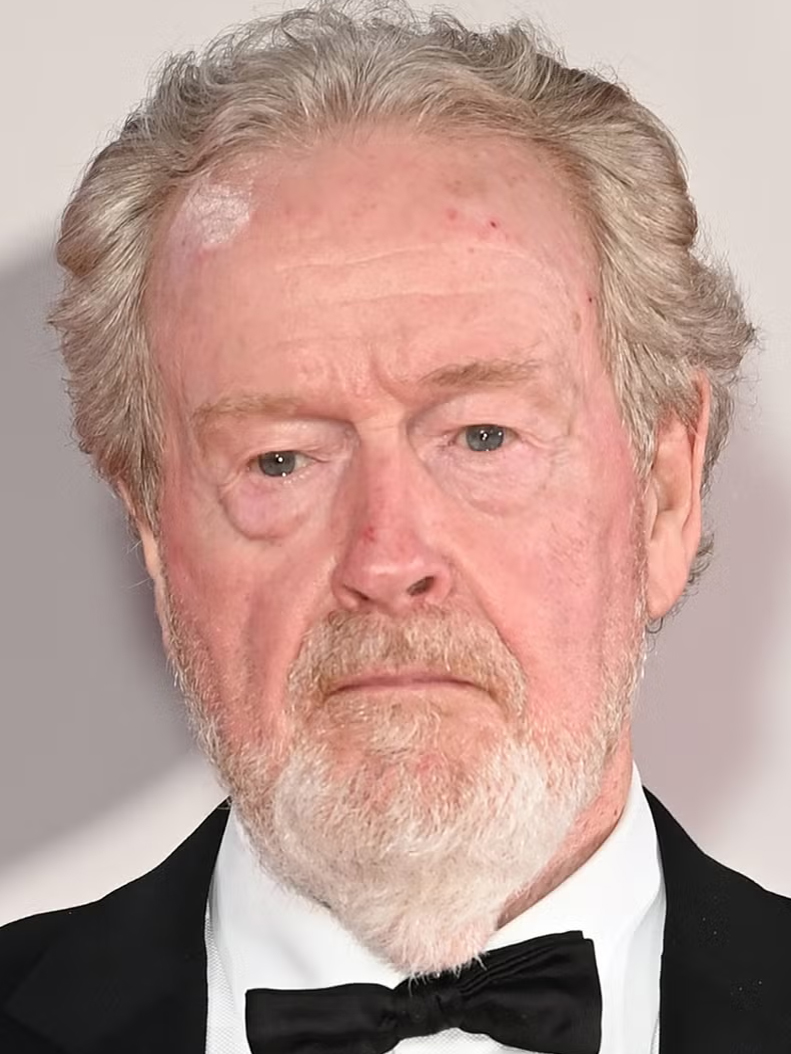
Speaking of creativity, director Ridley Scott comes in 44th place. Scott didn’t design a device, but he directed the greatest television commercial in history: the “1984” ad to introduce the Macintosh. The ad, inspired by George Orwell’s novel, never showed the product, but it created an aura of rebellion and distinction around Apple, which is what made it a different company in the eyes of the world from that moment on.
Between Energy, Retail, and Forgotten Friendships

In 43rd place, we find Rod Holt, employee number 5. Rod was a senior engineer when Steve Jobs asked for his help. Holt designed a revolutionary power supply for the Apple II that was vital to its commercial success. Although he was initially skeptical of “those kids,” he became the chief engineer and VP of Engineering, contributing to establishing the technical foundations upon which the company was built.
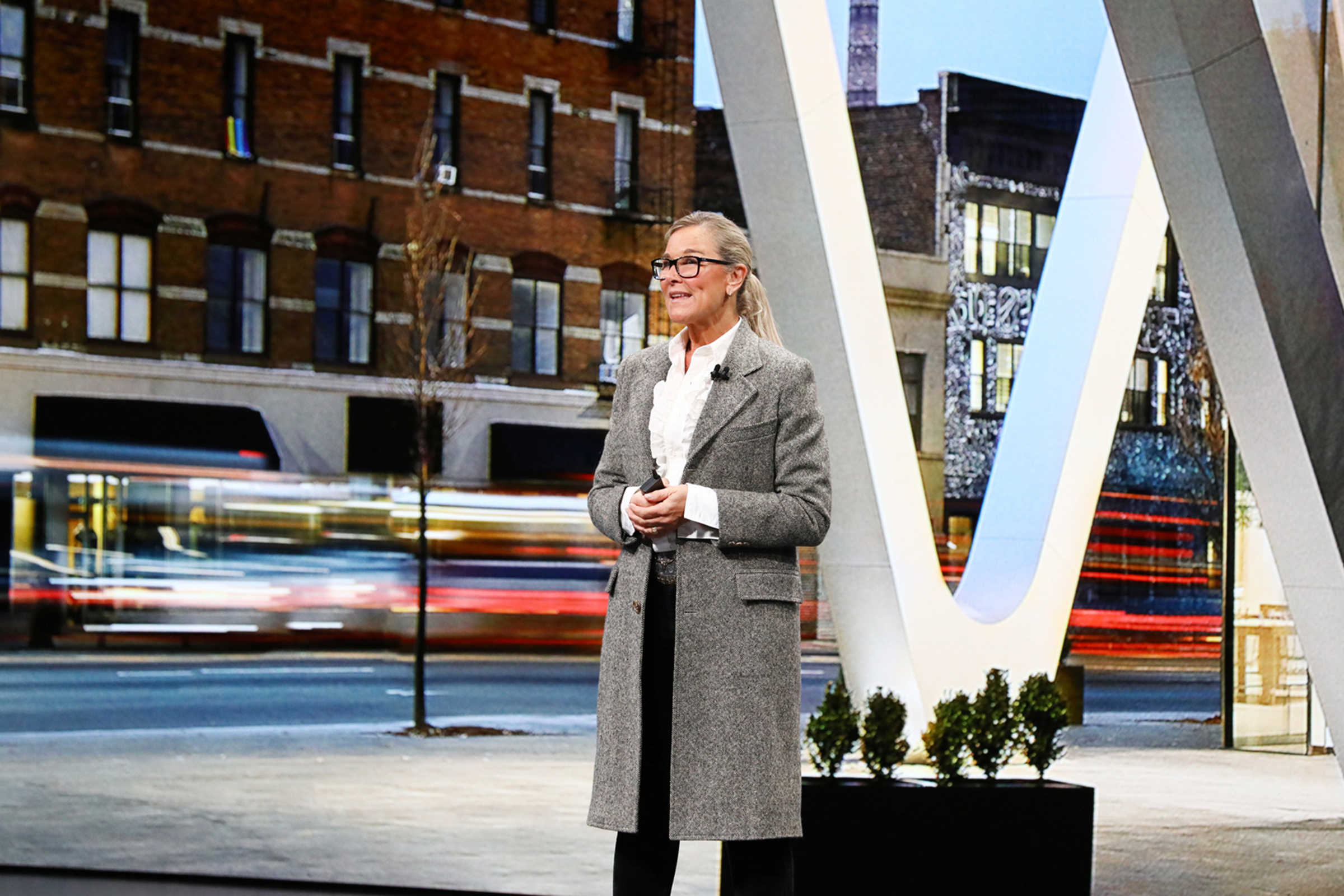
42nd place goes to Angela Ahrendts, the former CEO of Burberry. Angela was a rare female face in Apple’s top leadership and left an indelible mark on the concept of Apple stores around the world. She transformed the stores from mere places to sell into community squares and luxury destinations, using her deep experience in the world of fashion and luxury to enhance the brand’s value.
We conclude this part in 41st place with Daniel Kottke, Steve Jobs’ close friend since college days. Kottke traveled with Jobs to India in search of enlightenment and was employee number 12 at Apple. He assembled circuit boards and built prototypes for the Mac. But unfortunately, his relationship with Jobs ended dramatically when the latter refused to give him any shares when the company went public, saying coldly: “I’ll give him zero.” Kottke’s story always reminds us of the dark and volatile side of the legendary Apple founder’s personality.
Source:


Leave a Reply