When we think of Apple, we often imagine sleek devices and polished interfaces. But behind this glamour lies a massive world of supply chains and production lines that require extreme precision. This week, Apple decided to pull back the curtain on its manufacturing operations, gathering hundreds of American manufacturers at Michigan State University to launch the inaugural “Spring Forum” of the Apple Manufacturing Academy. The goal? Not just to chat about technology, but to accelerate the integration of artificial intelligence into the heart of manufacturing processes to boost efficiency and innovation.
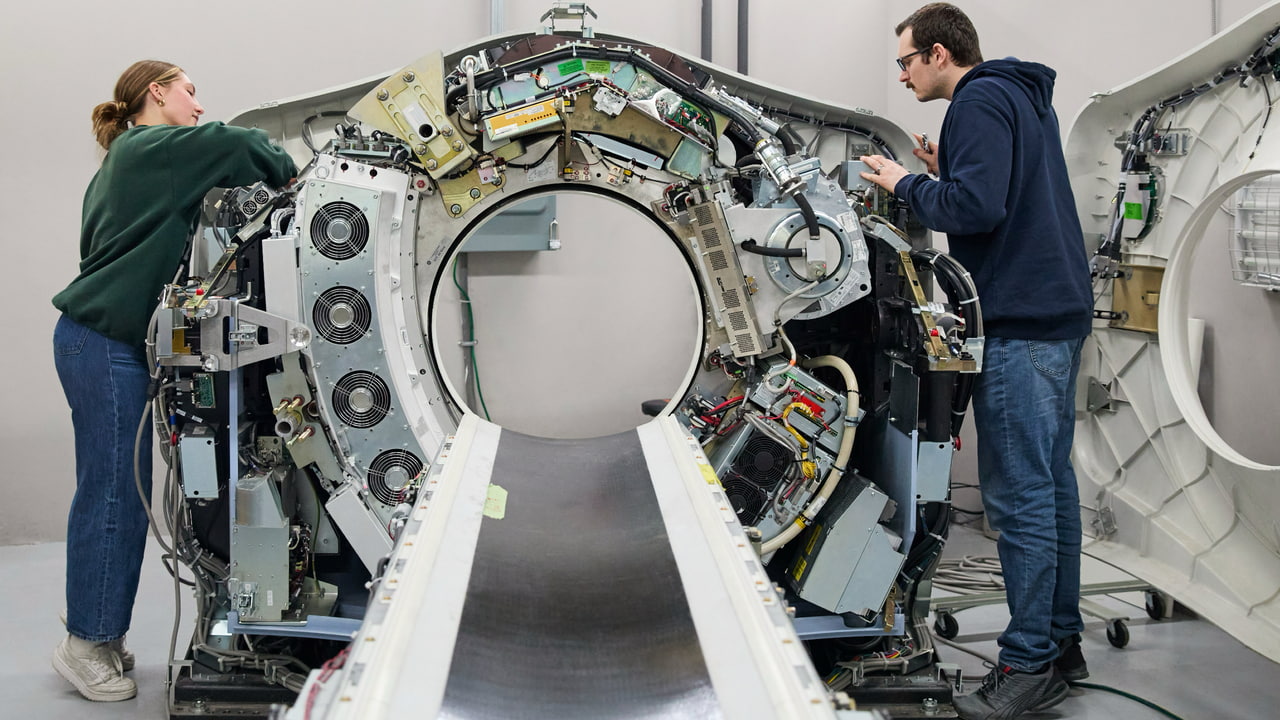
Apple Manufacturing Academy: A Multi-Billion Dollar Investment
This academy is a cornerstone of Apple’s broader commitment to invest $600 billion in the American economy. Since the launch of the free program last year, Apple engineers have worked side-by-side with Michigan State experts to provide support to small and medium-sized businesses, helping them move the latest manufacturing methods from research papers to real-world application.
It is not just about big machines, but the intelligence that manages them. Instead of relying on traditional methods, Apple is opening the door for local companies to use AI tools for quality control and productivity optimization, which positions American industry in a strong spot against increasing global competition.
From Theory to Practice: The Block Imaging Success Story
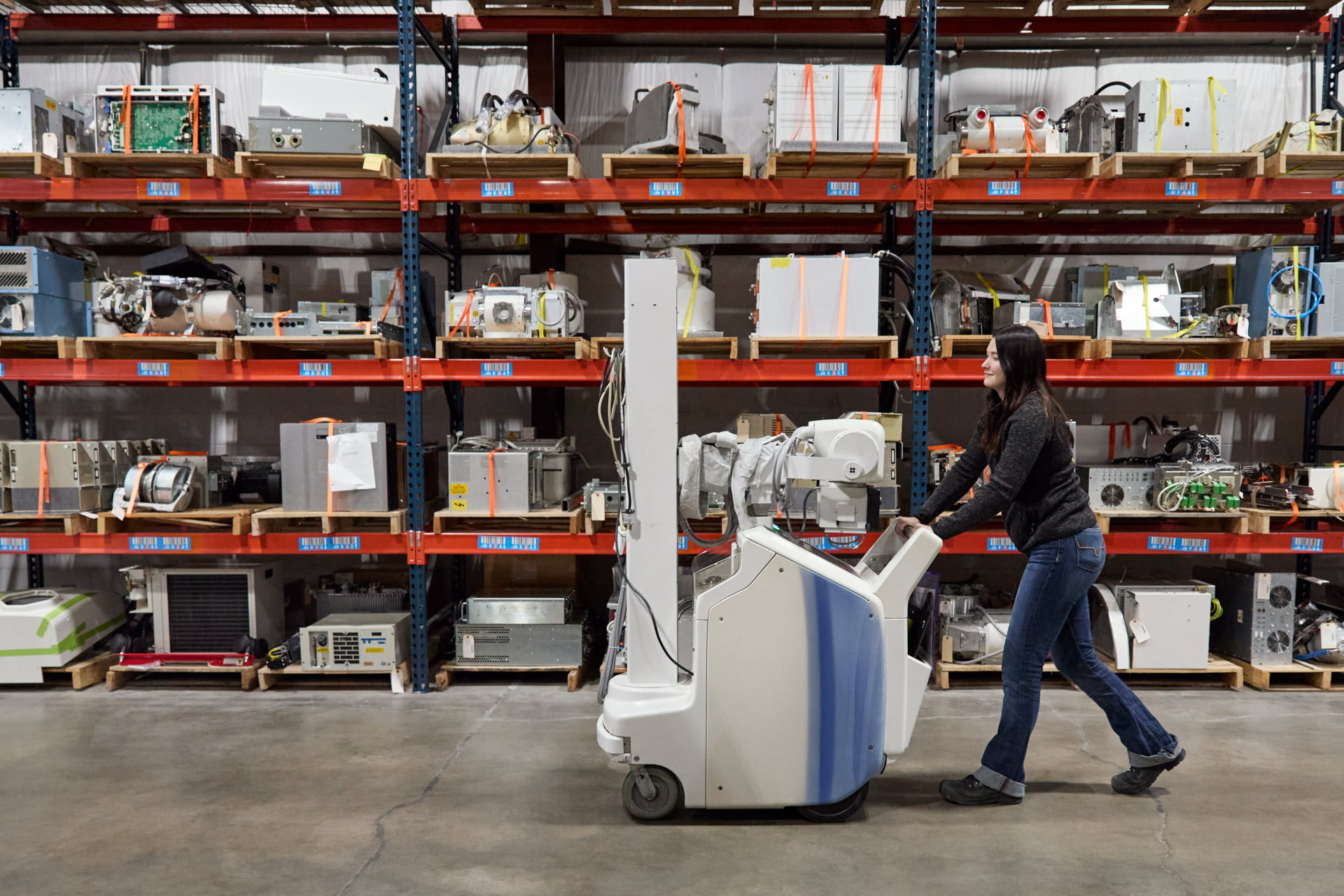
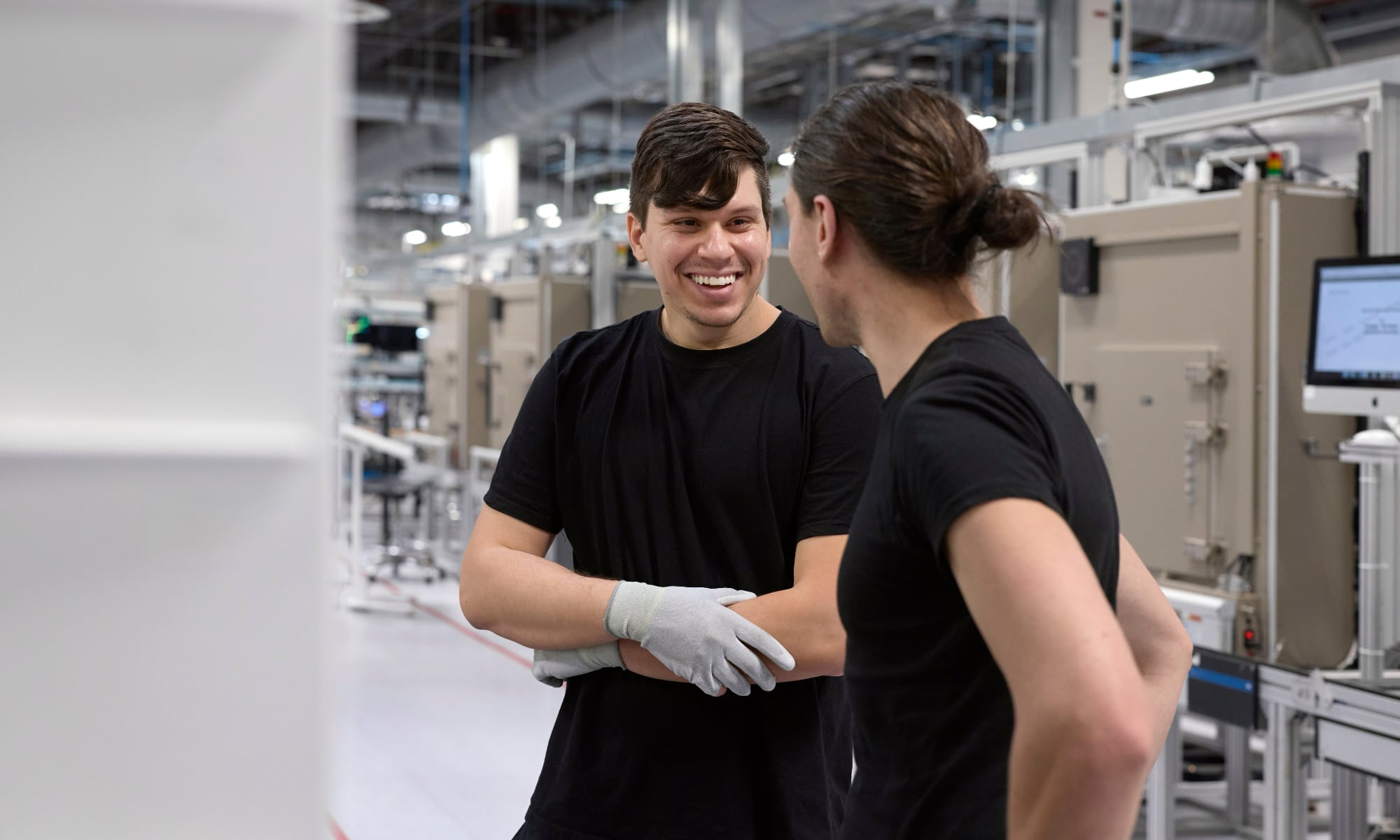
To prove that AI is not just a technical “fad,” attendees toured Block Imaging, a Michigan-based company specializing in the refurbishment and maintenance of complex medical imaging equipment like MRI and CT scanners. Katie Runyon, the company’s technical training manager, says the academy provided her team with practical tools that enabled them to improve quality control and increase efficiency immediately.
Priya Balasubramaniam, Apple’s Vice President of Product Operations, emphasized that the Block Imaging experience is exactly what the company aims to achieve. Apple does not want to provide dry academic theories, but real-world applications where business owners and employees feel the direct impact on the pace of work and the quality of the final output.
Beyond the Factory Floor: Training the Next Generation

The two-day forum was not limited to factories; it included tours of advanced research facilities, including the Facility for Rare Isotope Beams at Michigan State University and the Dairy Cattle Research Center. The event also saw participation from major companies like Medtronic, Magna, and McKinsey to discuss how to scale physical AI solutions in various manufacturing environments.
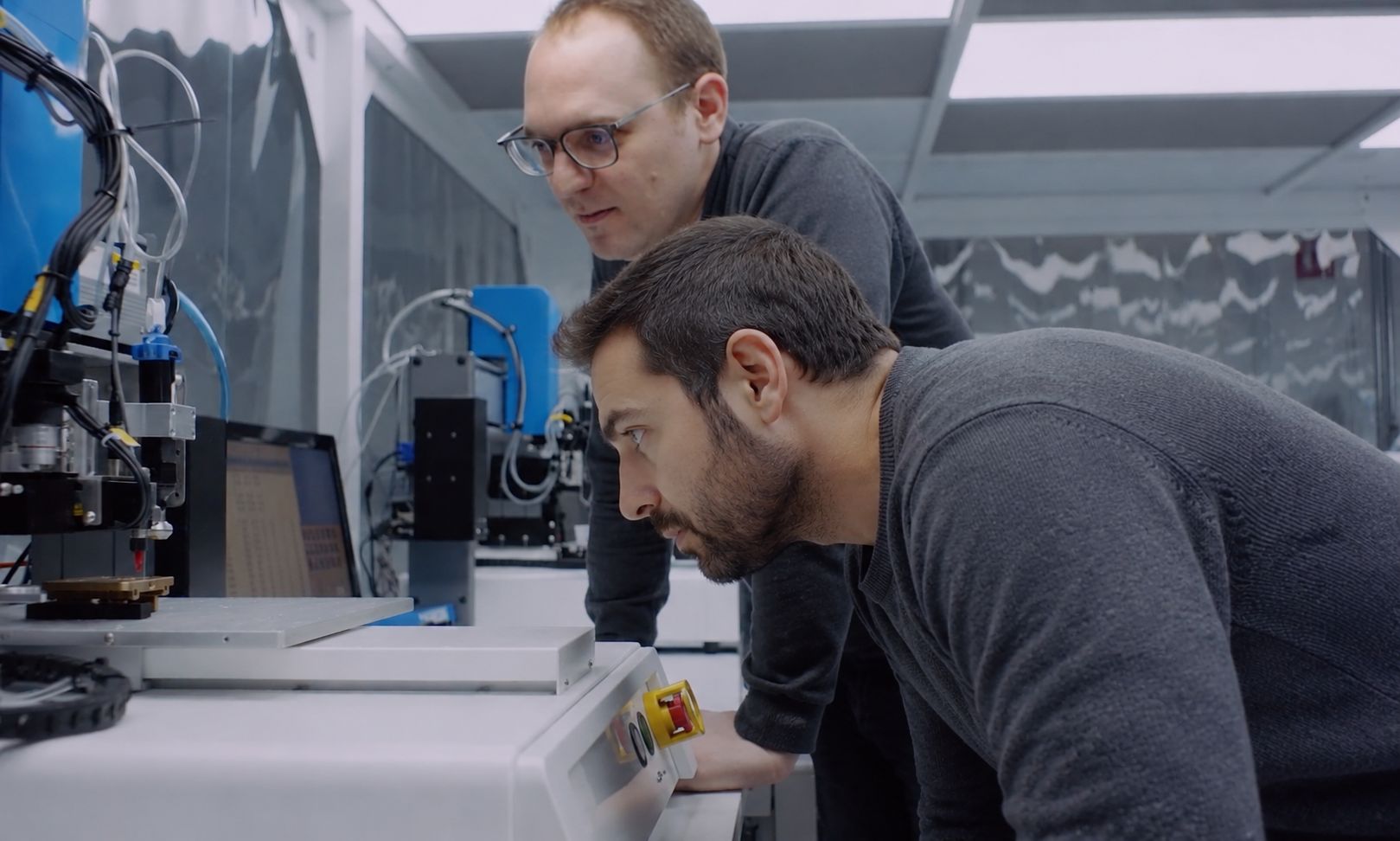
In a featured panel discussion, Priya Balasubramaniam discussed with university president Kevin Guskiewicz the skills workers will need as manufacturing shifts toward AI-driven processes. This focus on the human element reflects Apple’s vision that technology is a means to empower humans, not merely a replacement for them.
Expansion and Universal Access
To date, more than 150 companies have benefited from the academy’s in-person sessions. To ensure this knowledge reaches as many as possible, Apple recently launched virtual programs that open the curriculum to companies across the United States. This academy is the only program of its kind in North America, reinforcing Apple’s leadership in supporting national industry.
This forum comes just weeks after Apple announced funding for new production lines for sensors and integrated circuits in several U.S. states. It seems Apple is not just designing its products in California, but putting its smart footprint on every screw and circuit board manufactured on American soil.
Source:



Leave a Reply