Have you ever wondered how your smart devices managed not to wake up repeatedly while you were watching the WWDC 2026 developer conference? When Apple executives said the name of the personal assistant “Siri” dozens of times, your room should have lit up with iPhones and HomePods responding in unison. But Apple, with its usual ingenuity, had planned for everything in advance through a very clever audio engineering trick performed behind the scenes to prevent disturbing millions of viewers around the world.
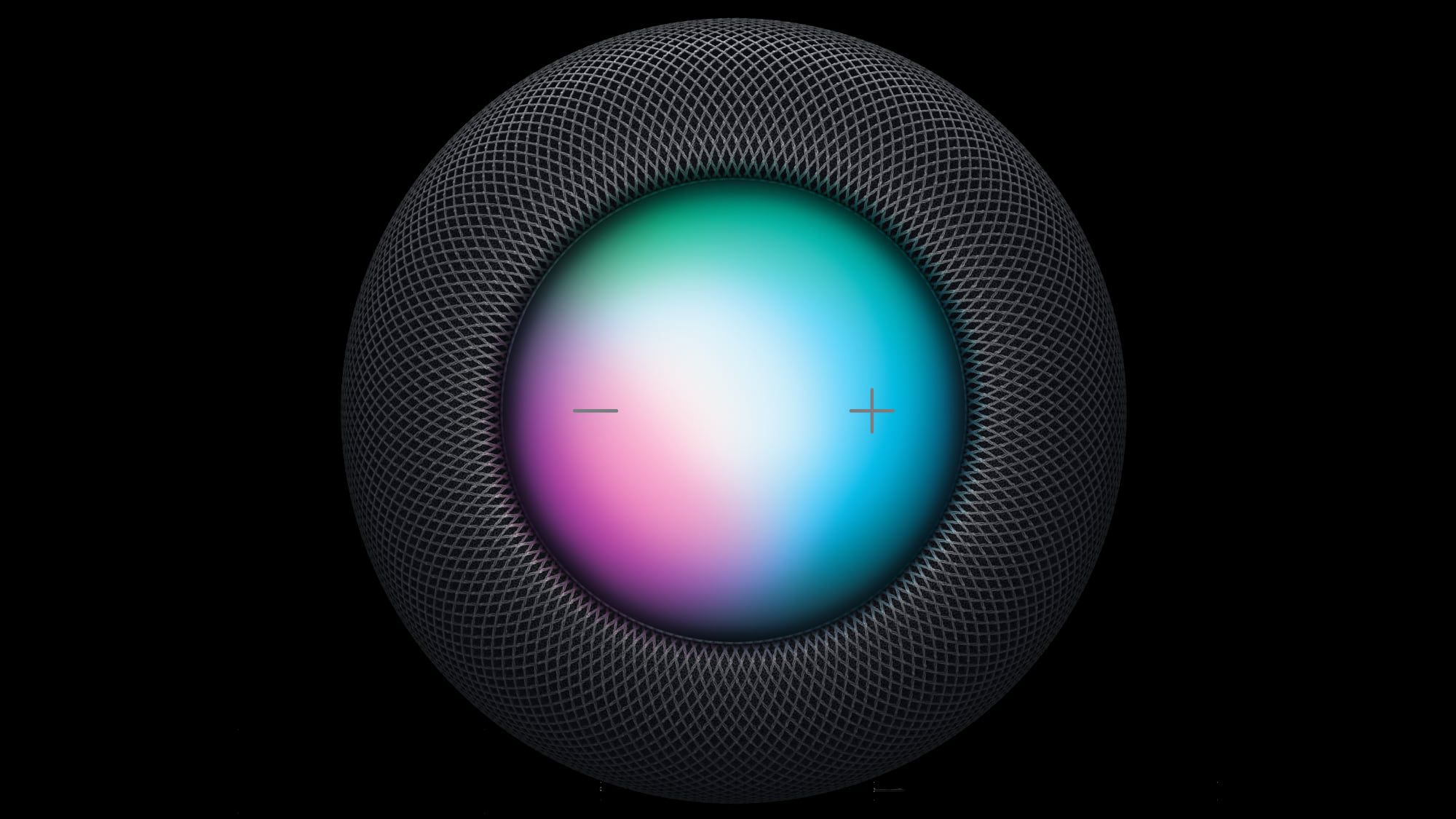
Hidden Audio Engineering to Silence Home Devices
Twitter users and audio engineers on the X platform spotted screenshots of the spectrogram analysis of the official conference video, revealing subtle, carefully cut gaps in audio frequencies exactly coinciding with the pronunciation of the word “Siri.” It appears that Apple surgically removed the 3 kHz, 4 kHz, 5 kHz, and 6 kHz frequency bands from the audio track every time its smart assistant’s name was mentioned.
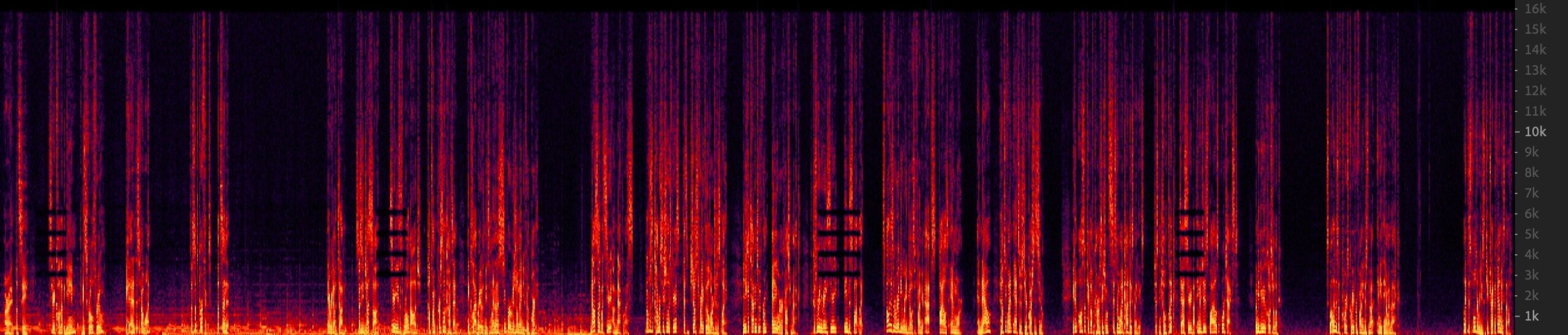
This clever method aims to trick the wake-word recognition feature in devices surrounding the live stream. This feature relies primarily on recognizing the precise acoustic fingerprint of phrases like “Siri” or “Hey Siri.” By removing the frequencies that carry the audio energy and vital phonetic segments of the word, Apple attempted to prevent HomePods, iPhones, iPads, and Macs in users’ homes from responding and activating unnecessarily while the stream was playing.
A Clever Attempt, But Not Entirely Perfect
Despite this extremely precise audio planning, it seems the trick was not 100% effective; many viewers complained on social media that their Apple devices did indeed wake up and respond while watching the live stream of the conference. It seems some devices possess algorithms smart enough to compensate for those missing frequencies and recognize the word despite the modification!
It is worth noting that Apple is not the first to innovate this trick to protect the peace of users’ homes. In 2017, it was discovered that Amazon used a similar approach in its television commercials for the “Alexa” personal assistant, where it deleted specific frequencies to prevent the activation of “Echo” smart speakers in viewers’ homes during the airing of promotional ads.
Source:
Leave a Reply