In the world of technology, the golden rule is “never say never,” and it seems Apple is no exception. After mocking the idea of “side-chat bots” last year and dismissing them as an impractical approach, the company surprised us at the recent WWDC developer conference by launching a standalone app for its smart assistant, Siri, in iOS 27. This sudden shift has led many to wonder about the reason behind this radical change in strategy, which Craig Federighi, the company’s Senior Vice President of Software Engineering, volunteered to clarify with complete candor.
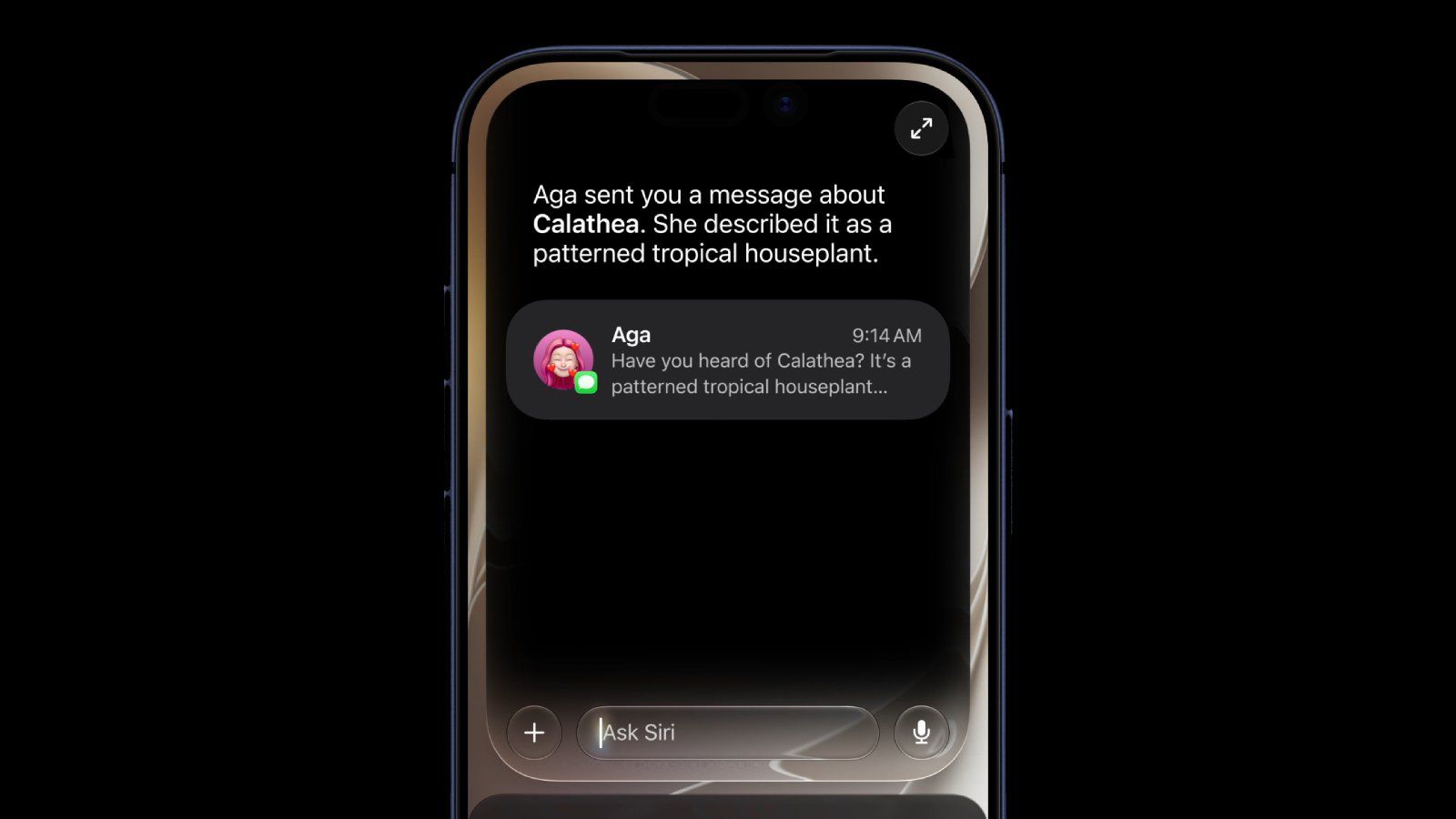
Why did Apple backtrack on its previous stance?
The story begins last year, specifically after the WWDC 2025 conference, when Craig Federighi, accompanied by Greg Joswiak, went on a media tour where they passionately defended Apple’s vision for “Apple Intelligence.” At the time, Apple described standalone chat bots as merely “marginal add-on tools” with no real value compared to integrating AI directly into system interfaces and the user’s daily workflow.

Siri App: An extension of the system, not just a chat companion
Despite the launch of the new app, Federighi insists that Apple’s vision has not fundamentally changed. He does not see the new “Siri” app as a separate, non-integrated chat platform that you go to just for random chatter, but rather as a comprehensive conversational tool that you use at the right moment, deeply integrated into the operating system.
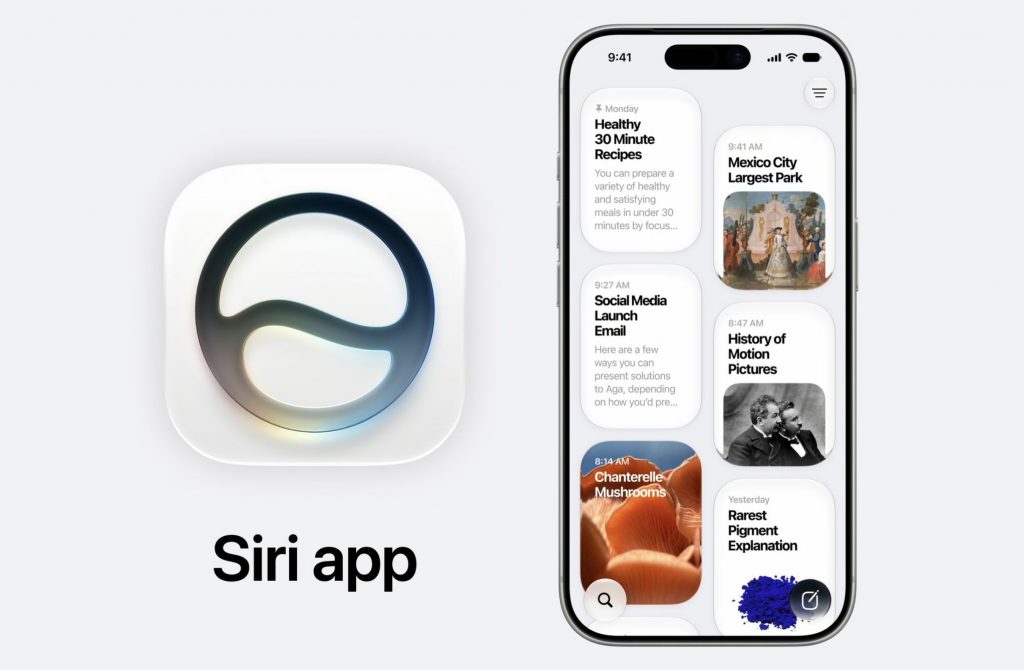
The primary goal remains the same; Siri is distinguished by its ability to understand what is on your iPhone screen, interact directly with the documents you are editing, and provide assistance with proofreading or offering advice without the need to move to a “separate world.” The new app is simply an interface to re-embody these deep system capabilities and facilitate returning to them.
System integration and the expected launch date
Apple’s true strength does not lie in providing the best large language model, but in the operating system infrastructure that allows apps to communicate and work together seamlessly. This integration is what will make Siri an intelligent agent capable of controlling your device and completing complex tasks instead of just answering questions.
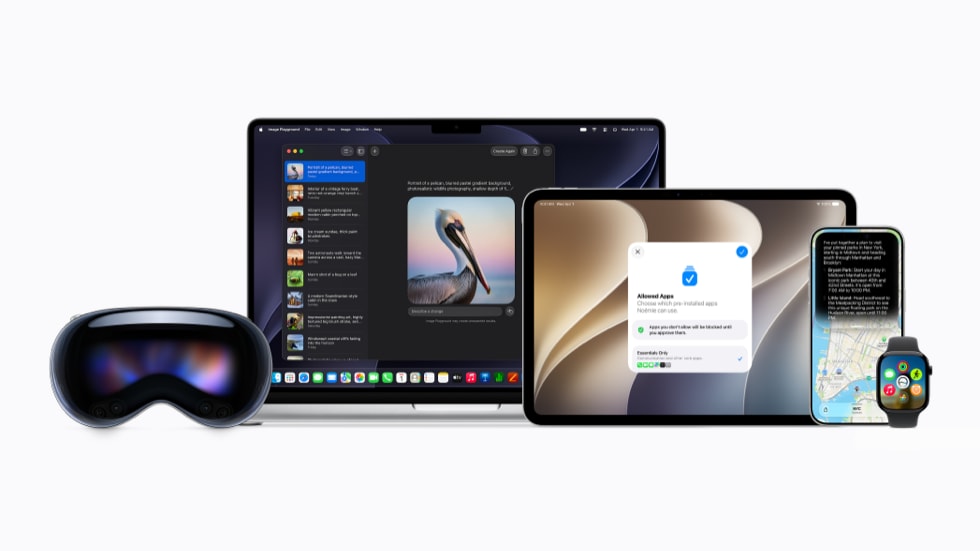
The developer beta version of iOS 27 is available now, and experiencing the new Siri capabilities requires joining a waitlist within the settings, while the public beta version is expected to be released to users next July, in preparation for the official launch this coming fall.
Source:

Leave a Reply