With every major iOS release, the same familiar scene repeats itself: widespread user complaints about faster-than-usual battery drain. As usual, Apple issues its familiar statement that this drain is normal and temporary, lasting only a few days, as the iPhone works in the background to re-index data and optimize system performance. But what if weeks go by and you still feel your battery percentage plummeting? If you're experiencing this, a hidden setting enabled by default in iOS 27 called Connectivity Assist appears to be the primary culprit behind this issue.
What is the advantage of Connectivity Assist?
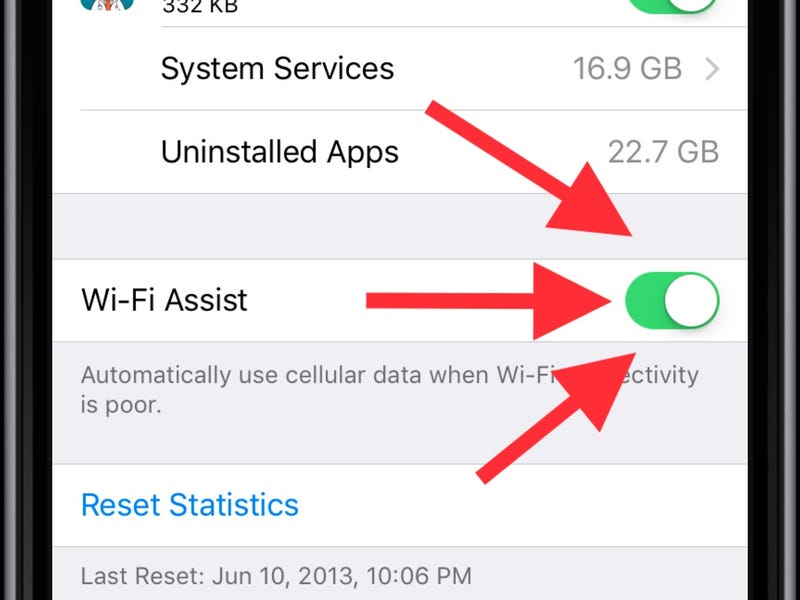
The Connection Assistant feature isn't entirely new in concept; it's the official successor to an older feature that's been with us since iOS 9, known as Wi-Fi Assist. Theoretically, this feature seems incredibly useful: when the Wi-Fi network becomes weak or slow, the iPhone automatically intervenes, switching to cellular data to ensure pages and apps continue loading uninterrupted, then seamlessly reverting to Wi-Fi once the signal is restored.
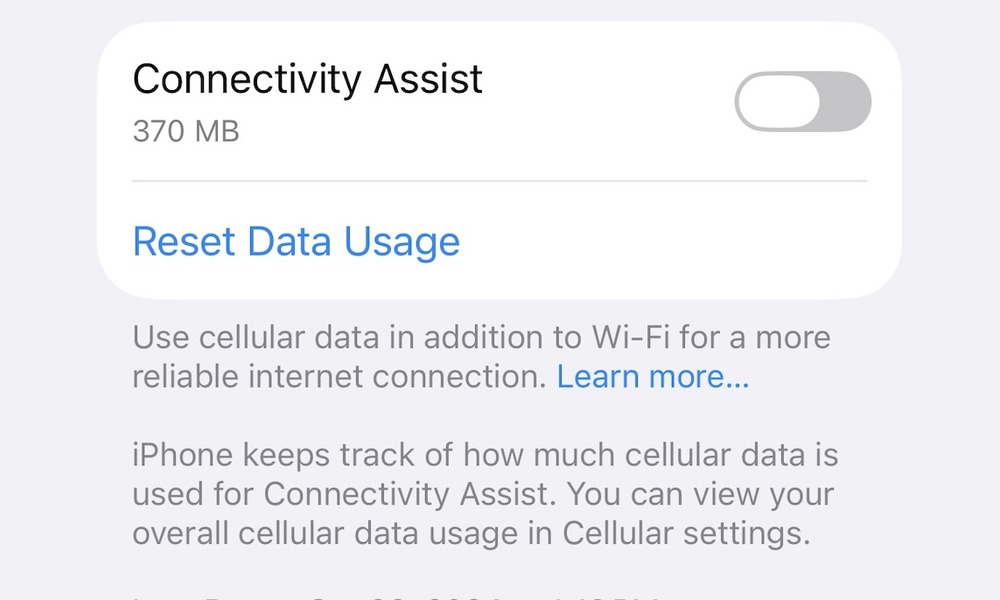
Apple explains that the purpose of this feature is to provide a more stable and reliable connection, especially in areas with fluctuating Wi-Fi coverage, such as remote corners of homes, crowded airports, or cafes. However, what has changed in iOS 27 is the placement and proactiveness of this feature. Instead of being located at the bottom of the cellular data settings as before, it has now moved directly to the bottom of the Wi-Fi settings screen. And if Wi-Fi Assist was enabled on your device before the upgrade—which is the default setting for everyone—the new connection assistant is now active on your phone without you even realizing it.
Why does the contact assistant drain battery power and data so voraciously?

Although Apple hasn't officially acknowledged a bug related to this feature, a growing number of iOS 27 users have confirmed that disabling it resulted in an immediate and noticeable improvement in battery life, surpassing any other measure they've tried. The engineering reason behind this is clear and logical: when the Phone Assistant feature is activated, the iPhone is forced to keep the cellular modem constantly active alongside the Wi-Fi chip, instead of letting it idle to conserve power. Operating two SIM cards simultaneously consumes a significant amount of power, especially since the cellular modem works harder when coverage is weak, which is often the same time and place where Wi-Fi signal is also weak.
It's not just about battery power; it's also about aggressively consuming your internet data plan. Reports indicate that the feature has become even more aggressive than before. One expert tester revealed that the feature consumed over 800 MB of cellular data in just two days, despite being constantly connected to his home Wi-Fi network. Another reviewer reported using 174 MB on the first day alone while staying in a hotel with a moderate internet connection. All these packets being exchanged in the background are devouring both your battery and data without any prior warning.
Not only that, but security experts have observed that the connection assistant circumvents DNS-based ad-blocking applications, some VPN connections, and parental control filters. The reason is that the system interprets the blocking of the ad or link as a Wi-Fi connection failure, so it automatically re-attempts via the cellular network, completely bypassing the blocking. In fact, Apple's technical support page recommends turning off the feature if you rely on ad blockers.
How to turn off the Call Assistant feature
iOS 27 gives you two options for dealing with this feature: either turn it off completely across the entire system, or turn it off for specific Wi-Fi networks only.
First: Disabling the feature in general for all networks:
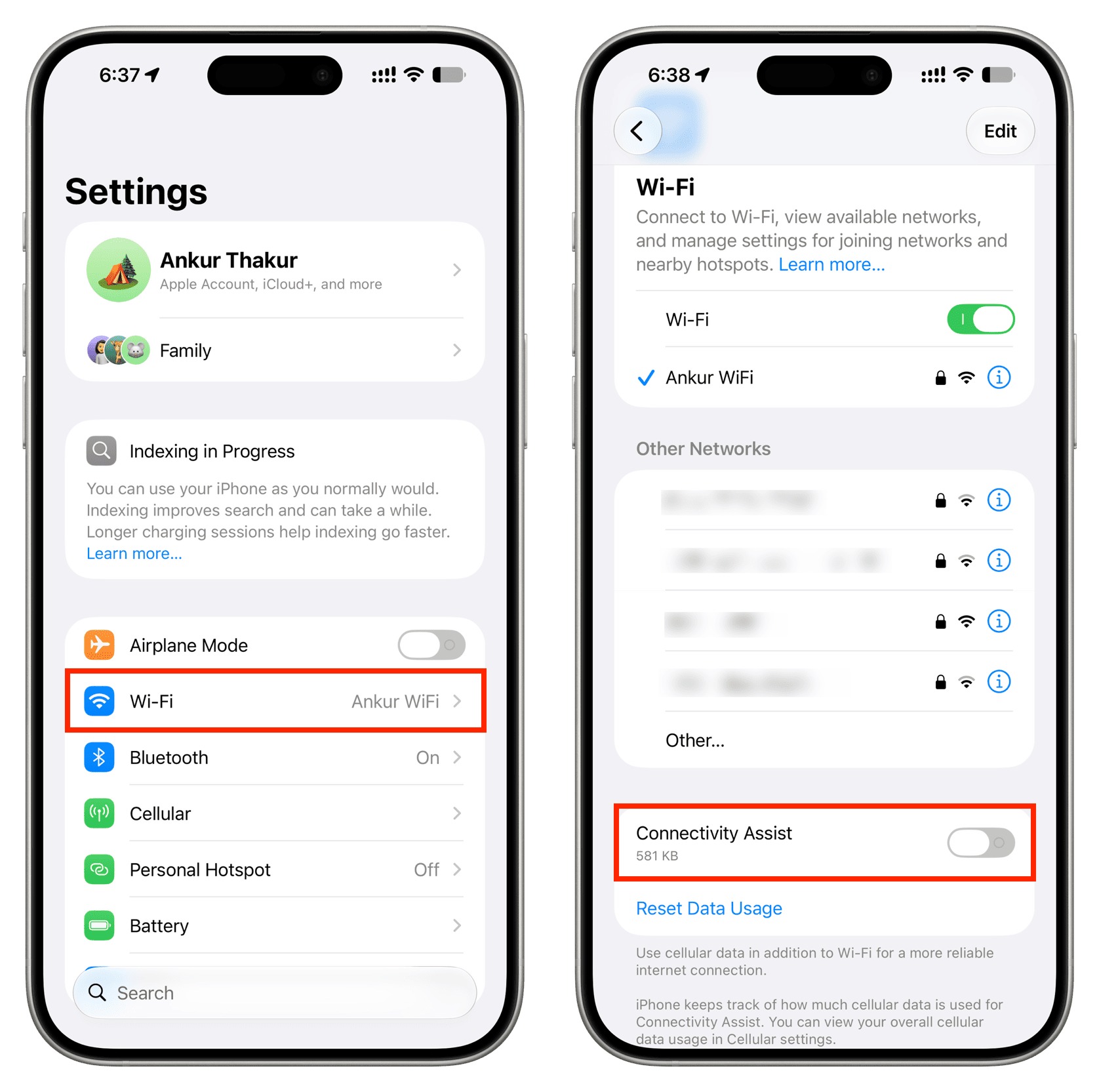
To completely disable it on your phone, follow these steps:
- Open an app Settings On the iPhone.
- Click on an option Wi-Fi Make sure it is activated.
- Scroll down the screen completely, then turn off the option Connectivity Assist.
Below this option, you will see a number that shows how much cellular data the feature has actually consumed; this number will reveal to you whether the feature has been working in the background and draining your data plan and battery over the past period.
Second: Disabling the feature for a specific network only:
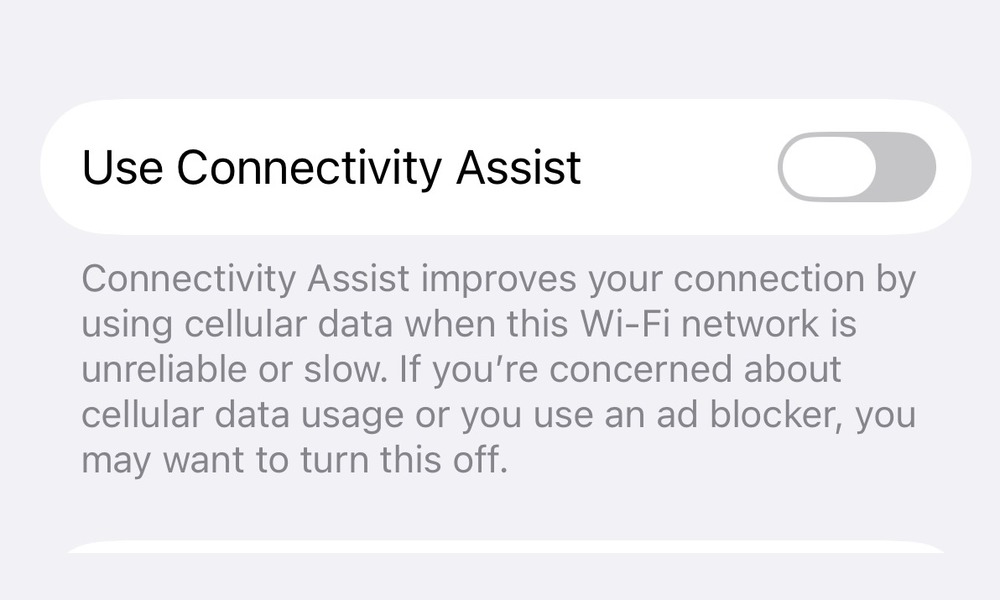
If you prefer a middle ground, you can disable the feature for your home or office network that you trust to be stable, while leaving it running in cafes and public places:
- Open an app Settings and go to Wi-Fi.
- Click on the information icon (i) Adjacent to the name of your network that you want to edit.
- Turn off option Use Connectivity Assist Designed for that network.
This solution is excellent for those who want to conserve their device's battery at home, where they don't need cellular backup, while still having a backup in areas with weak or unreliable networks. It's worth noting that some users have reported needing to disable it globally and for each home network individually to ensure the drain stops completely.
Should you disable this feature?
The decision depends primarily on your data plan and daily usage. If you have an unlimited data plan and frequently move between locations with unreliable Wi-Fi networks, sacrificing some battery power to ensure uninterrupted browsing might be a worthwhile investment. However, if you have a limited monthly plan, rely on stable Wi-Fi networks for most of the day, use ad blockers and VPNs, or simply want to squeeze every last minute of battery life, disabling the connection assistant is the best option without hesitation.
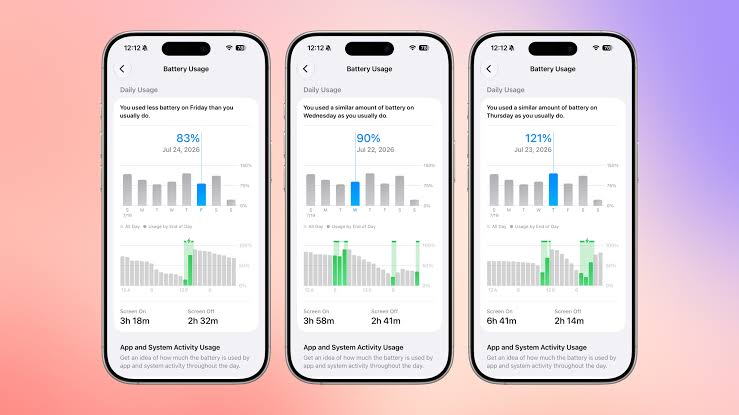
Always remember that Apple automatically disables this feature when international roaming is enabled or Low Data Mode is turned on. If you've turned it off and are still experiencing unusually weak battery life, go to [link/reference]. Settings > Battery To review the applications that consume the most battery power in the background and take appropriate action with them.
Source:



11 comment