After Apple unveiled the iPhone 18 Pro and iPhone 18 Pro Max, the usual upgrade frenzy gripped tech enthusiasts and Apple followers. Those who had already bought, bought. However, a segment remained hesitant, believing the upgrade wasn't necessary enough, arguing that the iPhone 17 Pro, iPhone 16 Pro, and even iPhone 15 Pro were sufficient. Most of these users preferred to wait and consider the bigger picture, as this year's iPhone lineup retained the same design as the iPhone 17 Pro, with only incremental hardware improvements in processing, performance, and photography. But there are truly radical changes in store for next year, as Apple plans to launch a revolutionary phone to commemorate the 20th anniversary of the first iPhone – an event that deserves serious attention.
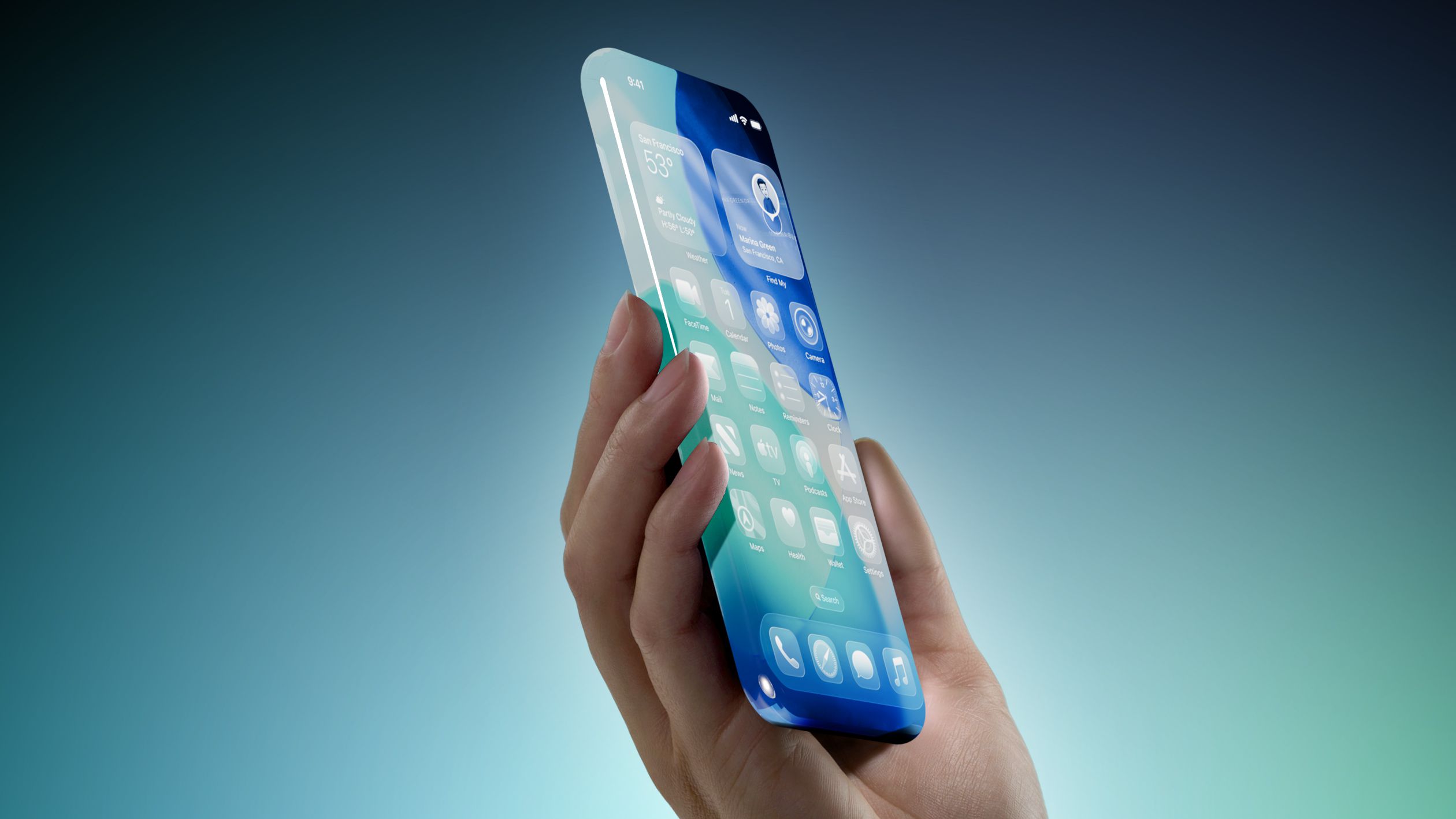
Revolutionary glass design and a screen that wraps around all four edges
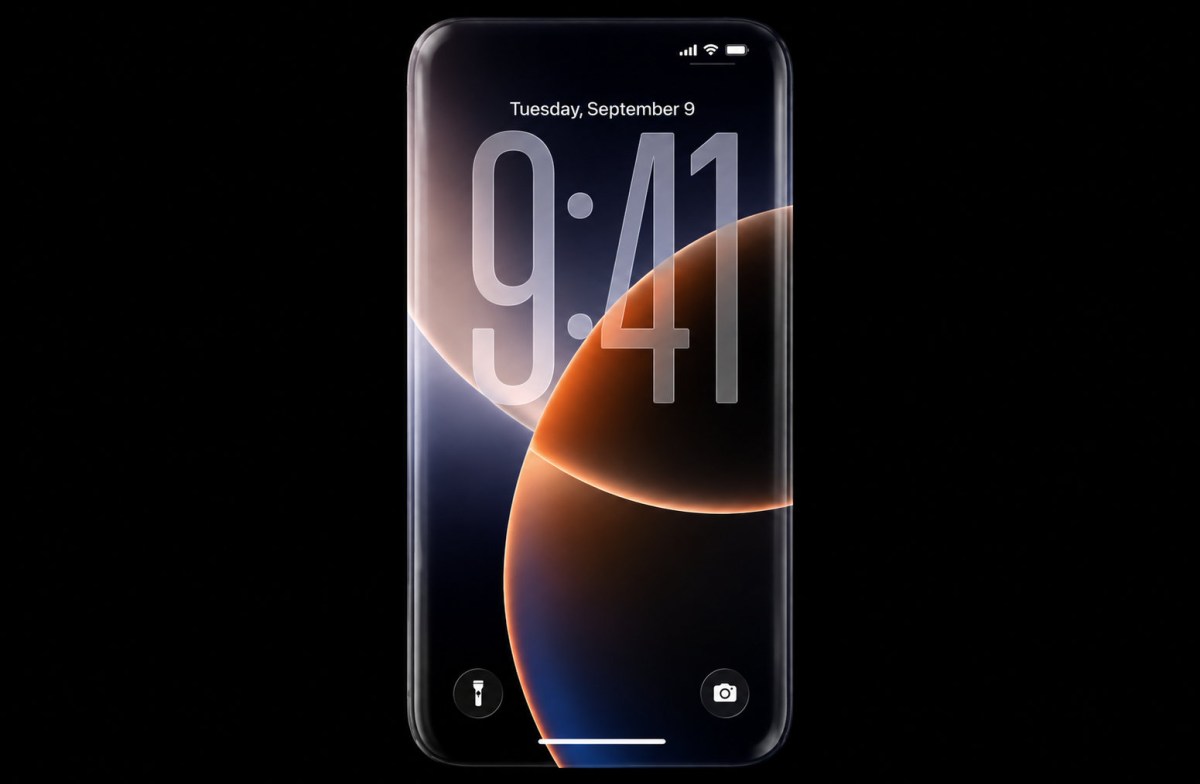
The latest reports indicate that the 20th-anniversary phone, expected to skip the 19 and be called the iPhone 20 just as Apple skipped the 9 for the iPhone X, will feature an all-glass design with a smooth curve on all four sides. This consistent, deep curve was developed in collaboration with Samsung to completely conceal the metal frame during use, giving the phone a futuristic look, like a sheet of pure glass floating in your hands with no visible edges.
The visual transformation isn't limited to the external appearance; it extends to the display panel itself. Apple plans to use more advanced and thinner OLED screens with Color Filter on Encapsulation (COE) technology. This technology allows for a reduction in screen thickness while allowing for greater light transmission, resulting in exceptional brightness in sunlight and significantly reduced battery consumption compared to the traditional iPhone 18 Pro screens.
A true full-screen display and Apple's first-ever camera sensor
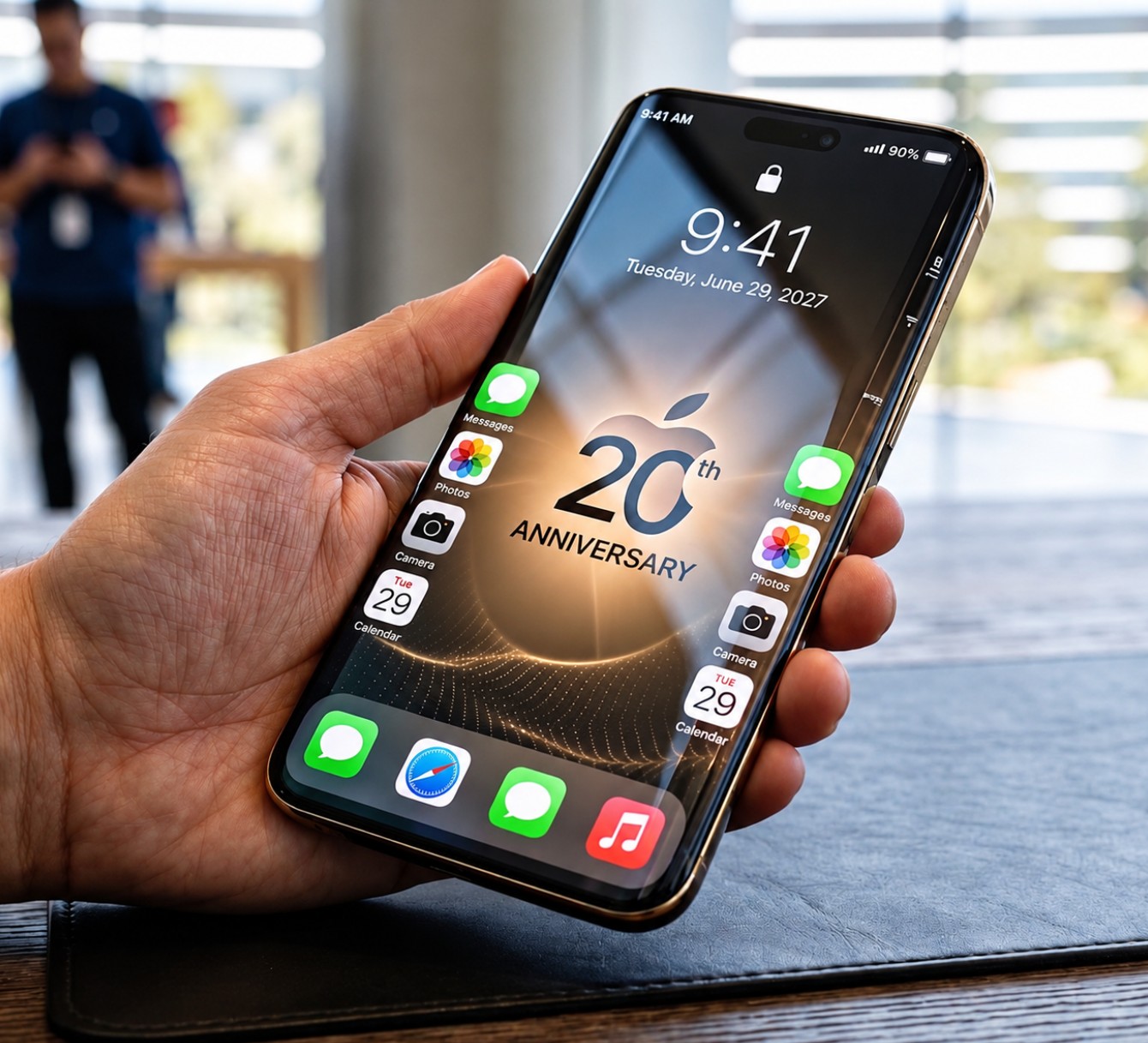
The dream Apple fans have been anticipating for years may finally come true with the 20th anniversary model, as the company works intensively to eliminate the notch and move the Face ID sensor and front-facing camera entirely under the screen. While hiding the sensors has been a recurring promise for a decade, recent lab prototypes have shown significant progress, paving the way for a seamless, uninterrupted display without any notches or holes that might detract from the viewing experience. The hidden selfie camera in the iPhone Duo is the first application of these tests.
In terms of photography, Apple appears poised to end its long-standing reliance on Sony sensors in favor of a fully in-house designed stacked image sensor. The prototype already utilizes advanced LOFIC technology, which allows each pixel to capture varying amounts of light with pinpoint accuracy, resulting in a dynamic range of approximately 20 exposure stops. This remarkable figure will elevate smartphone photography from the realm of digital processing to that of dedicated cinema cameras, significantly surpassing the capabilities of the iPhone 18 Pro.
Solid-state buttons and silicon anode battery
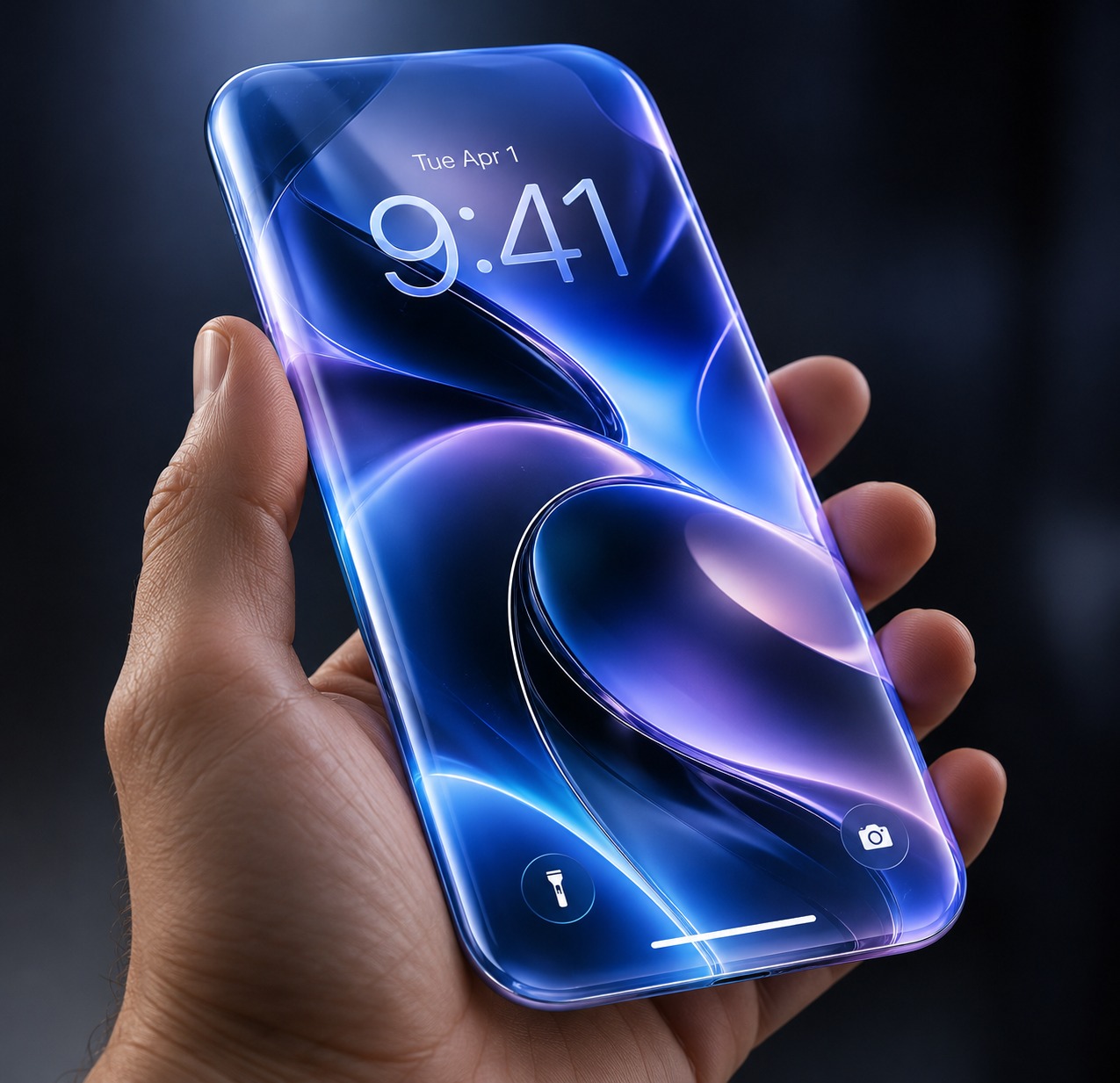
The era of physically moving mechanical buttons appears to be drawing to a close at Cupertino. Apple is testing the replacement of all physical buttons—including the power button, volume buttons, action button, and camera button—with solid buttons integrated into the device's frame. These buttons utilize highly sensitive haptic actuators that generate tactile feedback that perfectly mimics real-world pressure without any gaps in movement, thus elevating the device's water and dust resistance to unprecedented levels.
As for the phone's core, it will undergo a true chemical leap; Apple is exploring equipping the phone with batteries that use a silicon anode instead of the traditional graphite anode. This innovation significantly increases energy density by storing a greater quantity of lithium ions per gram, which translates to a considerable increase in daily operating hours without increasing the phone's thickness or sacrificing its lightweight design.
A21 Pro chip, AI memory, and larger screen sizes
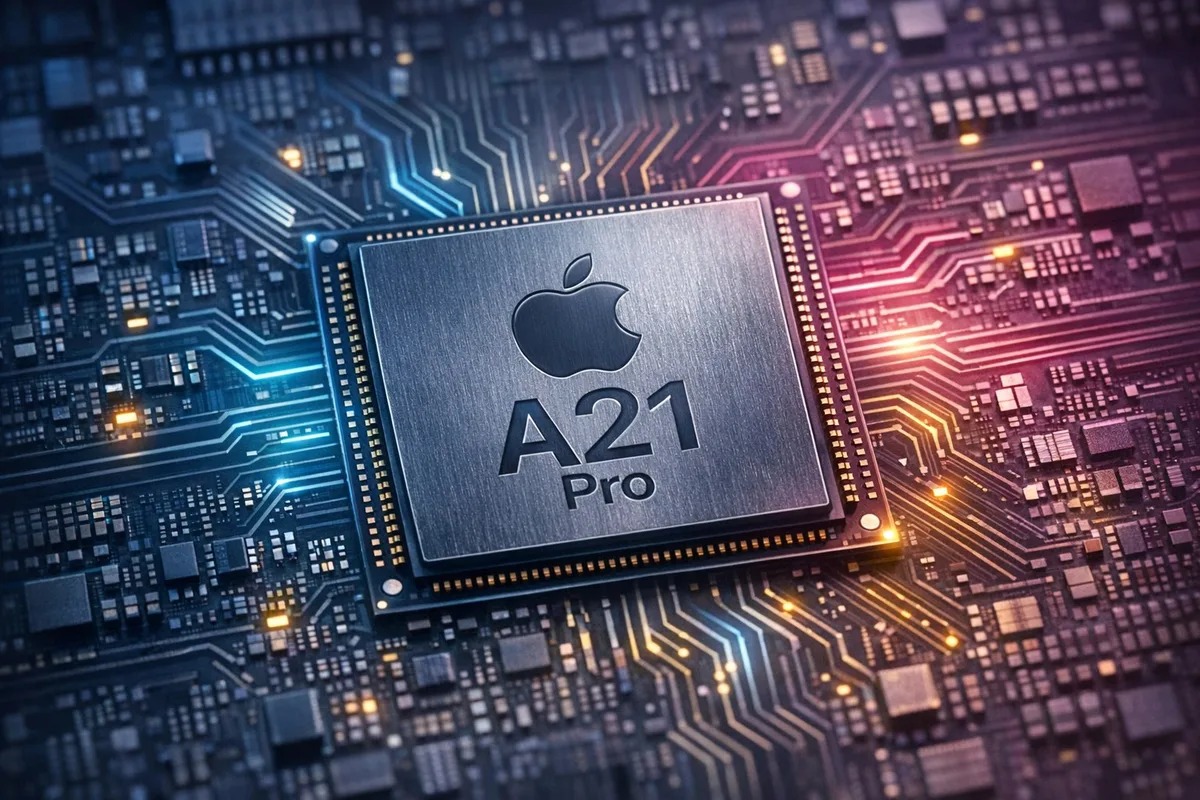
While the iPhone 18 Pro features the first-generation 2nm A20 Pro chip, the 20th-anniversary phone will move directly to the enhanced second-generation architecture with the A21 Pro chip. This chip will not only offer raw speed but will also be paired with vertically stacked, ultra-high-bandwidth DRAM (Mobile HBM), hardware specifically designed to double data transfer speeds and unleash the full potential of generative AI, enabling it to operate seamlessly and instantly on the device.
To complete this qualitative leap, leaks indicate that the screens will see an expansion in their sizes compared to the current generation; after the iPhone 18 Pro screens settled at 6.3 inches and 6.9 inches, Apple is preparing to raise the sizes in the twentieth anniversary phone to 6.4 inches for the regular Pro model, and an unprecedented giant screen measuring 7.0 inches for the Pro Max model.
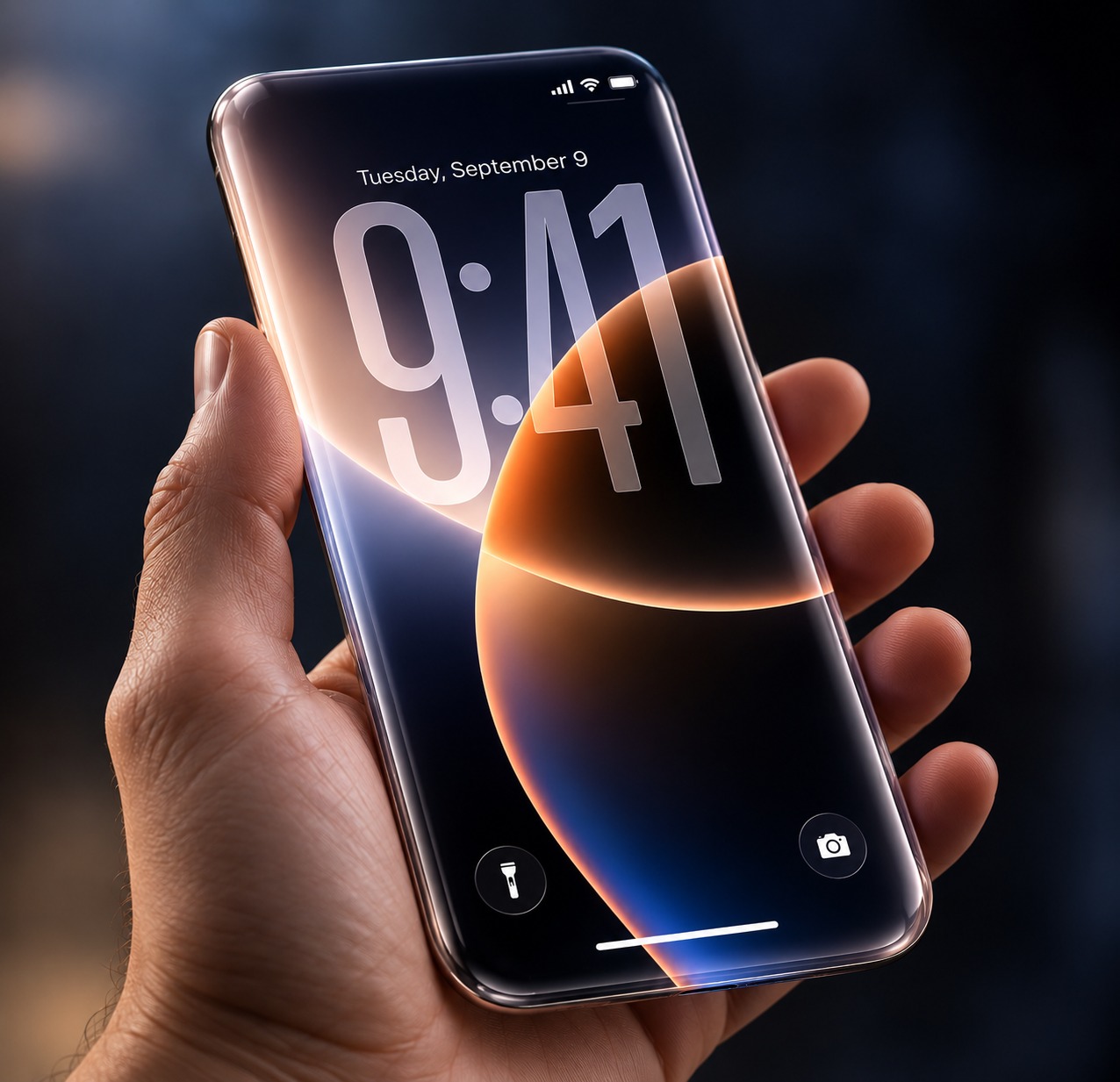
While it's true that we're still about a year away from this commemorative edition, and that Apple's plans could change and the release dates for complex hardware like the under-display camera could be delayed, the whole scenario is reminiscent of what happened in 2017 when many skipped the iPhone 8 in anticipation of the iPhone X, which revolutionized the industry. If your current phone is performing well, waiting might be the smartest tech decision you make this fall.
Source:


11 comment