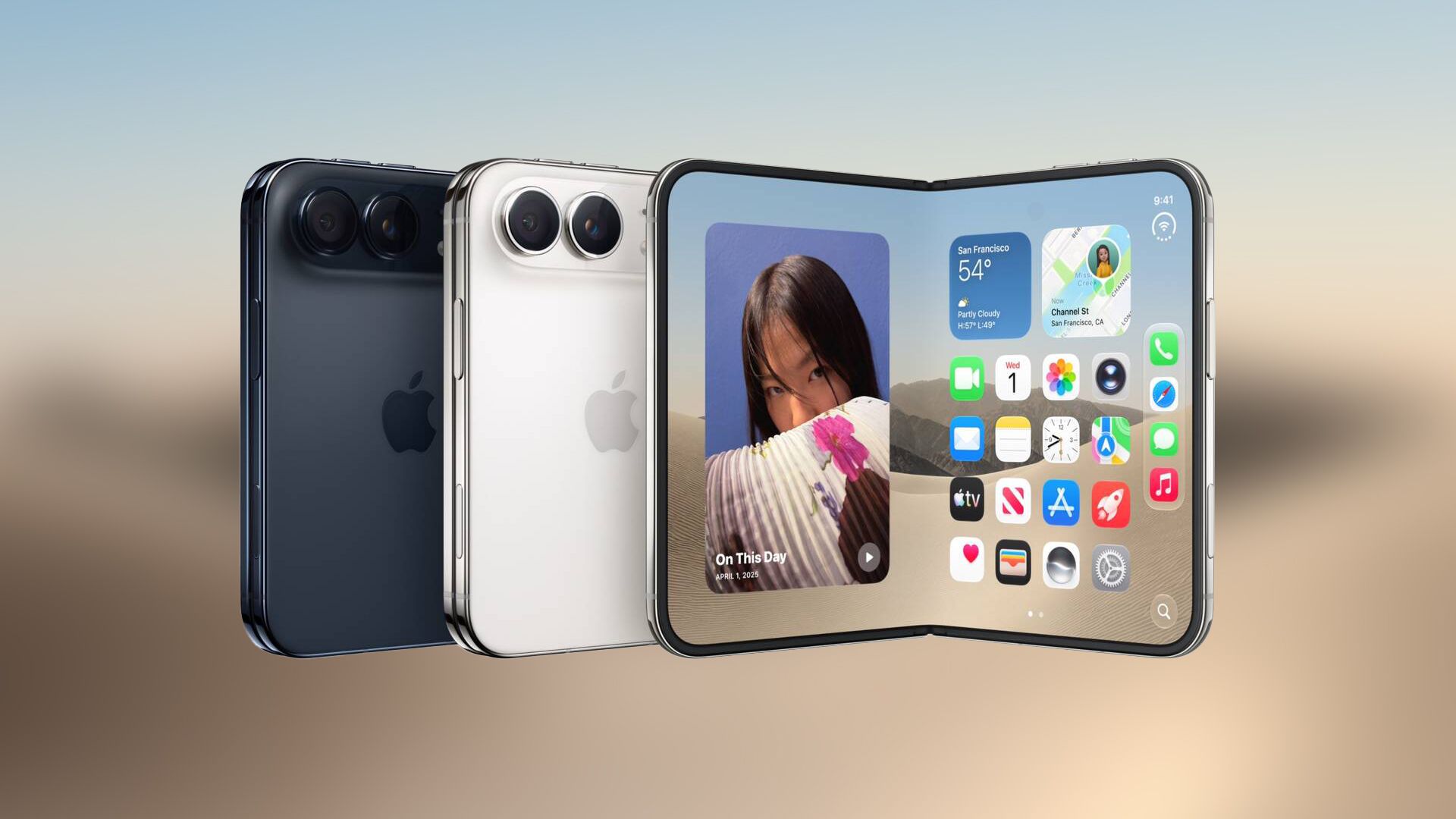
Just days before its highly anticipated official launch, the Geekbench 7 benchmarking platform revealed the first results for Apple's upcoming foldable iPhone Duo, showcasing figures befitting a flagship device. The new leak confirms that Apple did not compromise on the phone's hardware capabilities for the sake of thinness or a foldable design. Instead, it equipped it with the full power of the A20 Pro chip, manufactured using a 2-nanometer process, giving it the same computing power as the traditional powerhouses in the iPhone 18 Pro family, without any compromise.
Numbers reveal the truth: Geekbench 7 results
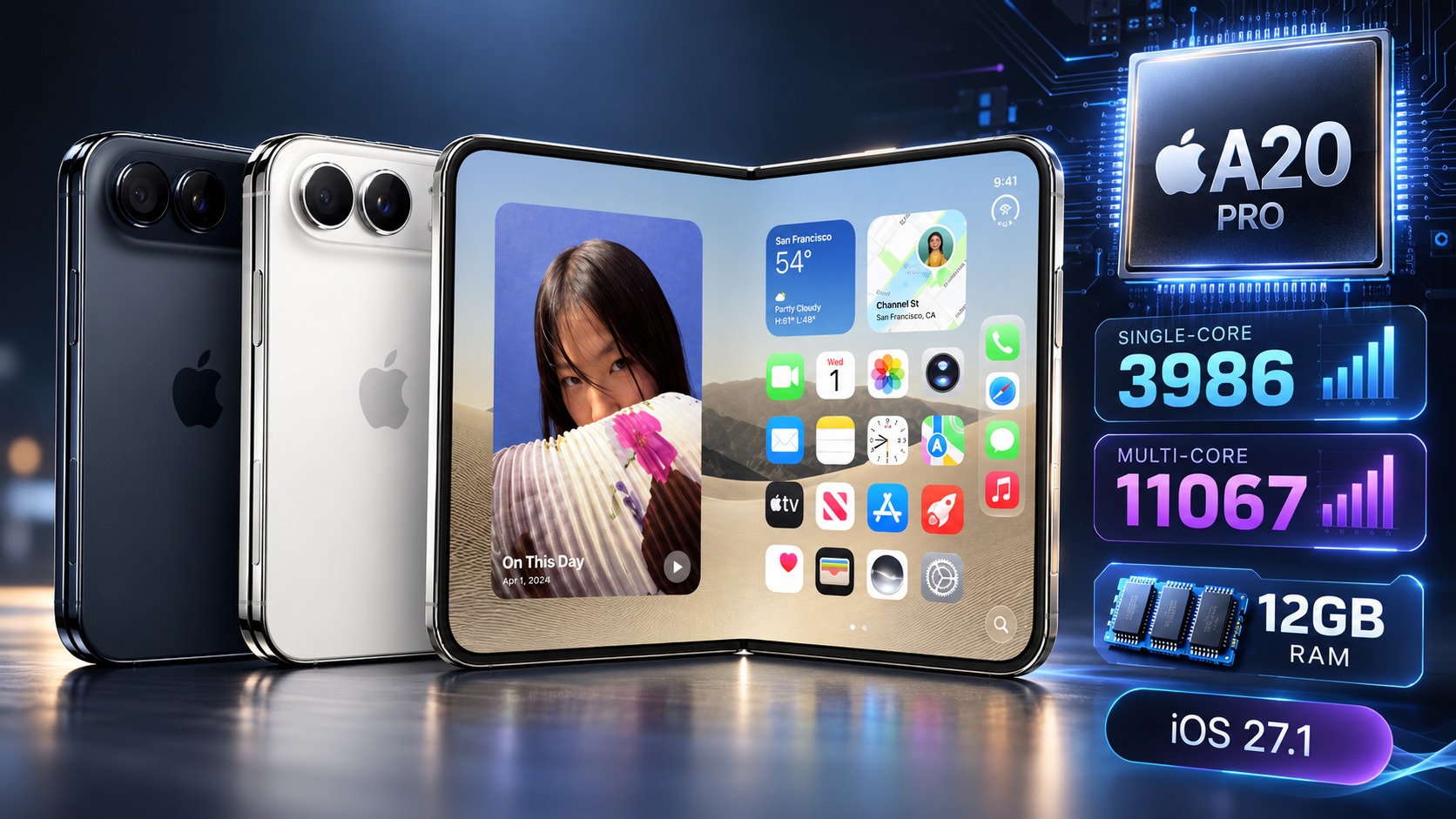
The device was spotted in the Geekbench 7 database under the internal codename (iPhone19,4), running iOS 27.1, scoring 3986 points in the single-core test and 11067 points in the multi-core test. These results closely match the combined scores of the iPhone 18 Pro and iPhone 18 Pro Max, allaying previous concerns that Apple might have resorted to lowering clock speeds to avoid the thermal challenges of the foldable design.
The technical report revealed that the iPhone Duo's A20 Pro processor features six CPU cores with a base clock speed of up to 4.93 GHz, identical to the specifications of the Pro series. Regarding RAM, the report indicated 11.30 GB of available system memory, which officially translates to 12 GB of RAM, ensuring exceptional performance for AI tasks and demanding multitasking.
2nm architecture: An engineering breakthrough led by the A20 Pro
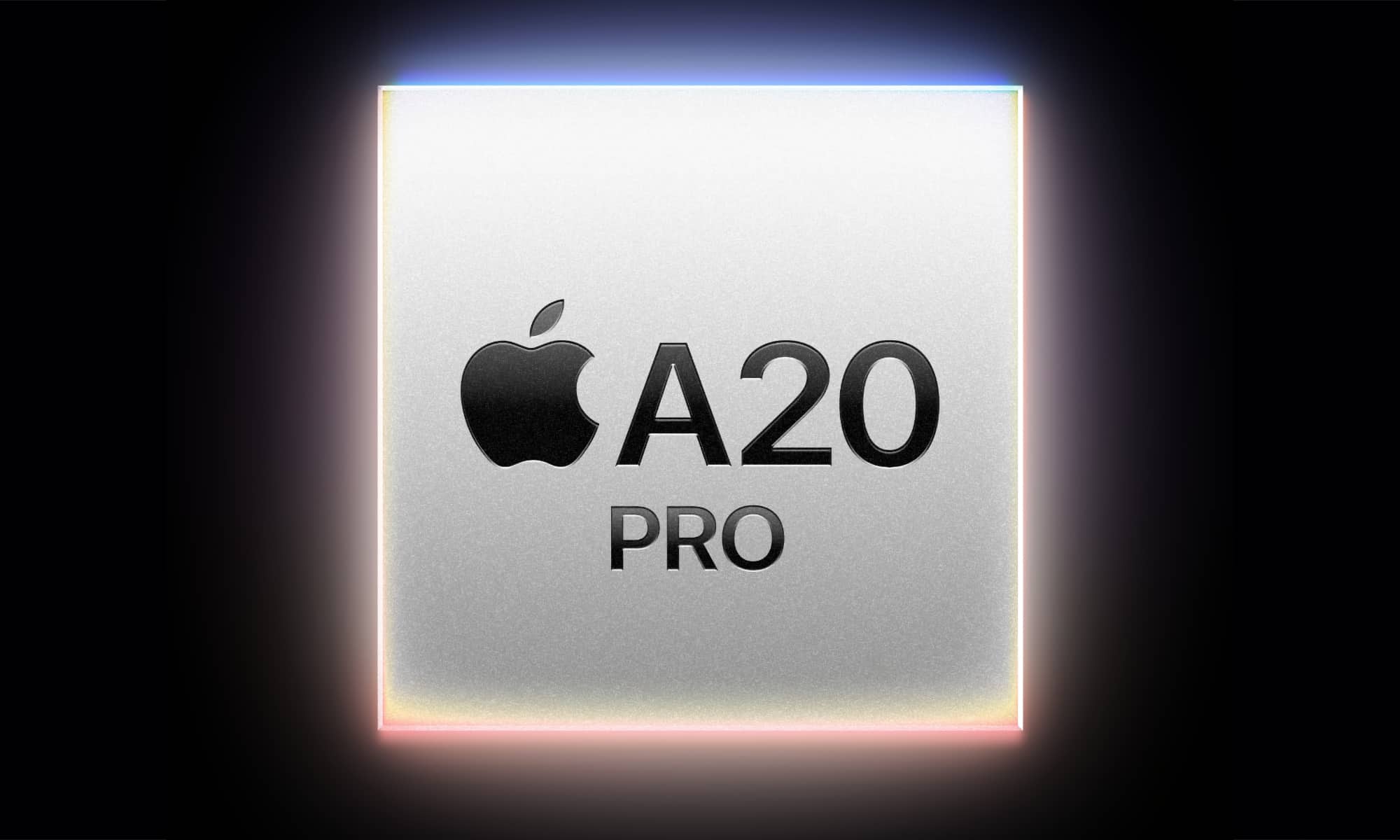
The A20 Pro chip is based on the latest silicon advancements thanks to its 2-nanometer manufacturing process and features a sophisticated 7-core graphics processor. Official Apple figures confirm that the chip offers a significant increase in CPU speed of up to 20% compared to the previous generation A19 Pro, while graphics capabilities jump by a remarkable 40%, although this early testing focused solely on the CPU and did not yet measure graphics performance.
Although benchmark test results may vary slightly from one test to another, achieving this impressive score on the first attempt demonstrates the chip's stability. This leap in efficiency translates to exceptionally fast processing of complex everyday tasks, while maintaining highly controlled power consumption thanks to the ultra-precise 2-nanometer transistors.
The real challenge: testing the reality between the two screens and the cooling system.
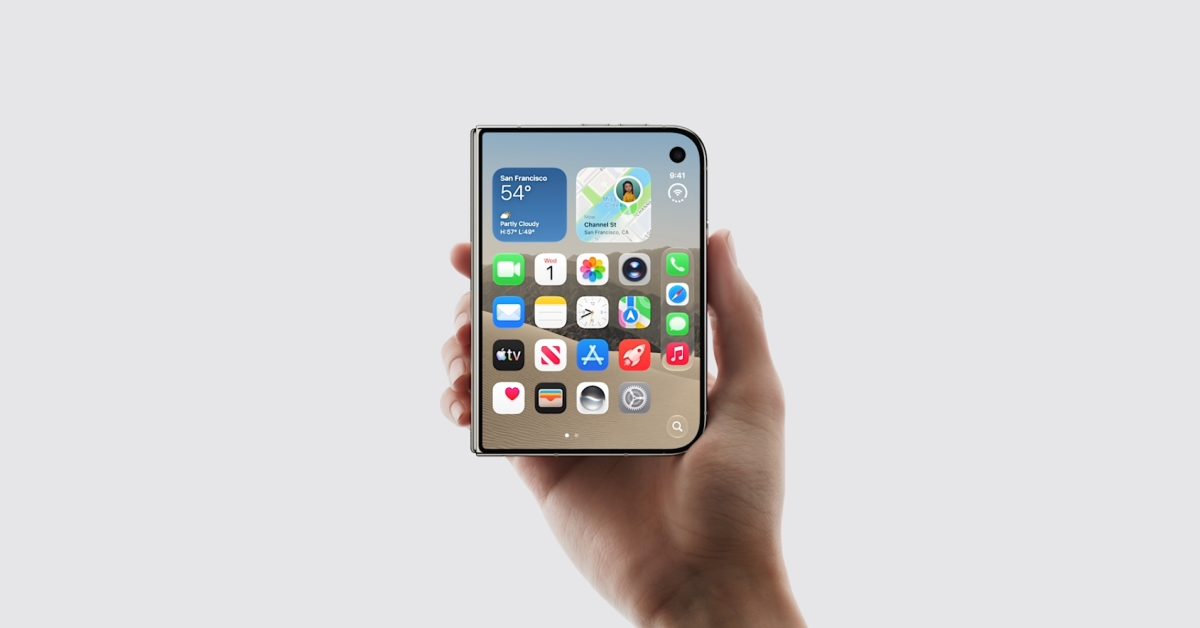
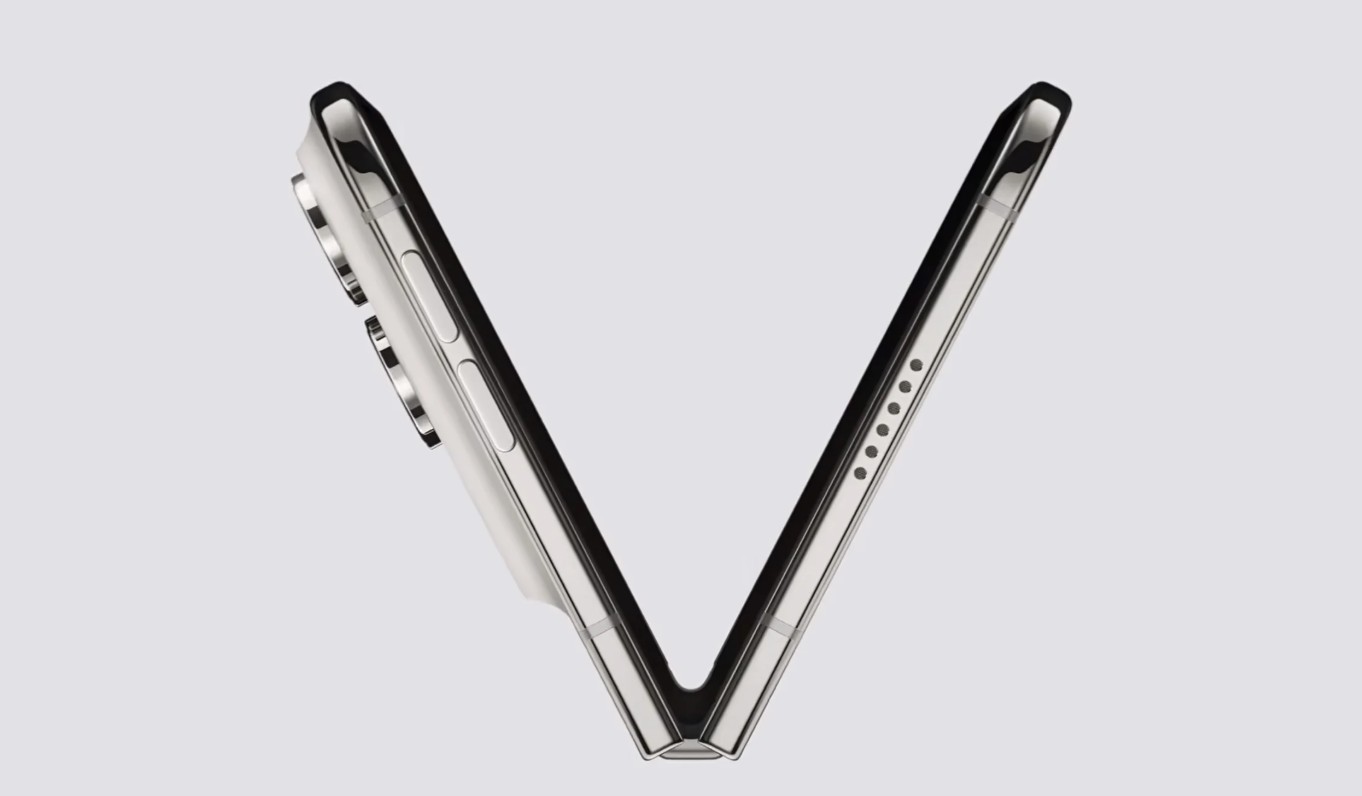
While theoretical test results are consistent, the true test of the iPhone Duo lies in its real-world performance under sustained pressure. Foldable phones inherently present complex challenges in temperature management and heat dissipation due to their ultra-thin design and the split motherboard connected by a precise hinge.
Adding to this challenge is the presence of two integrated displays—an external screen and a wide internal one—which places additional strain on graphics processing and power consumption compared to traditional single-screen phones. However, the A20 Pro's energy-efficient architecture suggests that Apple has devised a clever formula to ensure the processor isn't overloaded under heavy use for extended periods.
The countdown has begun: booking and release dates
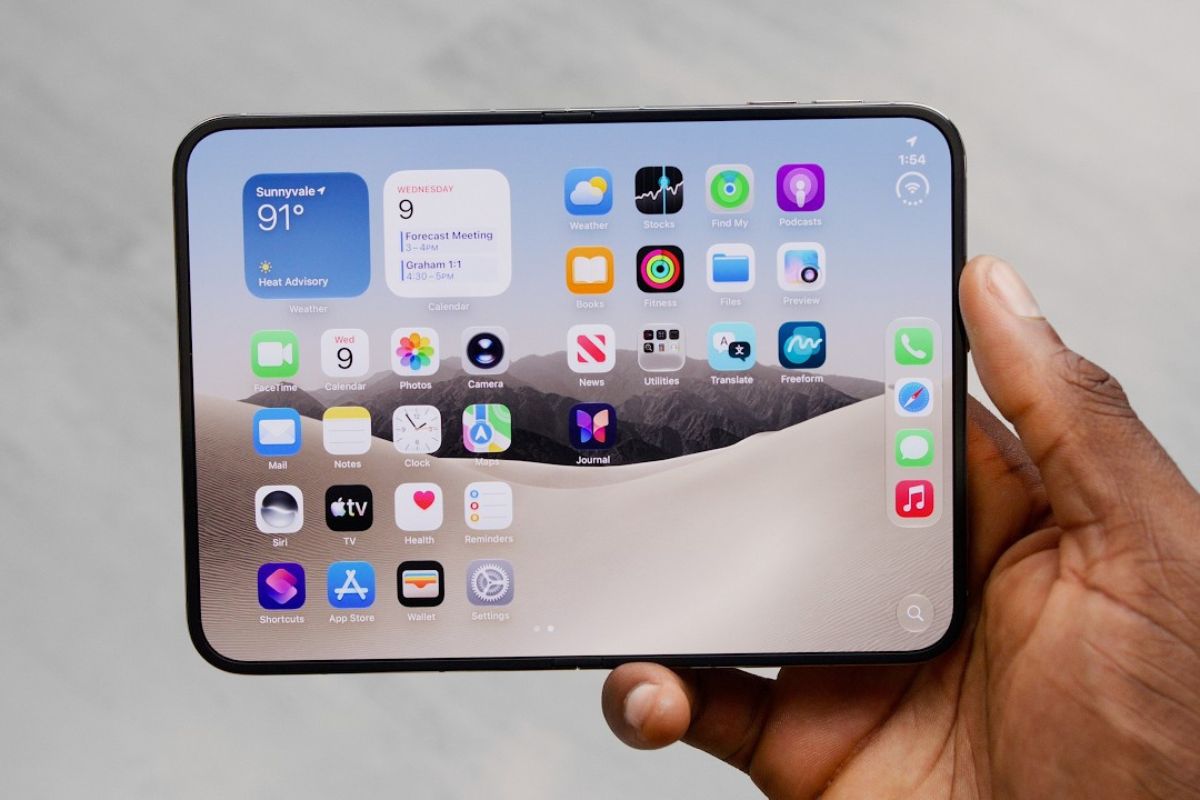
Those eagerly awaiting the arrival of Apple's first foldable phone are almost here; pre-orders for the iPhone Duo officially begin on Friday, October 16, with shipping and availability in stores starting the following Friday, October 23. It's clear that Apple is committed to delivering a groundbreaking experience with no hardware compromises from day one.
Source:


Leave a response