Today, if you mentioned the word (tablet) or tablet device in front of a normal person, the first thing that comes to his mind is the iPad; In fact, Apple occupied the tablet device market for a long time to the point that most people do not know if there were tablets before the iPad, but it is different in the phone market. Regardless of the success of the iPhone, the Android system managed to overwhelm the largest share in the smartphone market, but why couldn't Google Repeat the order in the tablet market.
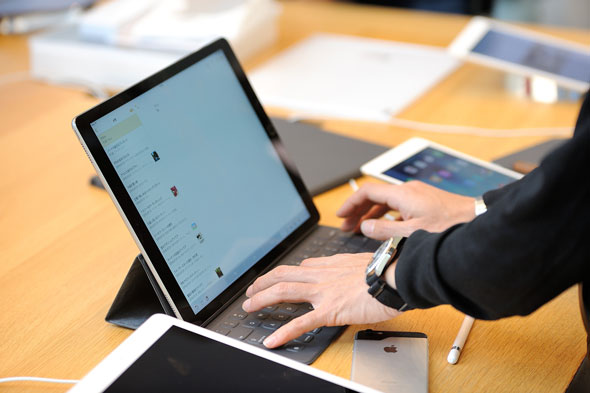
Tablet market before the iPad release

Back in 2003, when Microsoft launched its first tablet and its name (Microsoft Tablet PC), the device was working with a modified version of the Windows system that used the touch pen instead of the keyboard and mouse. The device at that time was heavy, thick, and with a weak battery, and above all it was very expensive around (2000) $) The device did not achieve any success at the time, regardless of the previous problems of the device, the fact that Microsoft was suffering from it was putting the Windows system for computers in a tablet device, and this matter requires putting computer hardware and a cooling system in a tablet device that works with a weak battery!
IPad Appearance
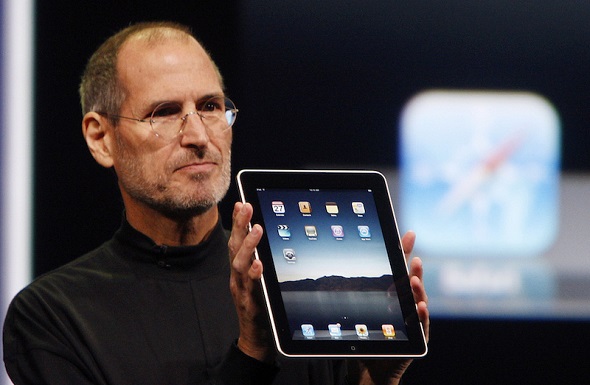
When Apple started developing its tablet device (it is said that Apple was developing the iPad before the iPhone, but preferred to launch the iPhone first and postpone the iPad) it became clear that they need to offer something different instead of developing the Mac OS system, so they put in place the iOS system, and this was a correct decision for several reasons. iOS is a non-energy-consuming system that supports multi-touch, meaning that you will not have to use the stylus, and the device does not need computer hardware to work, which means that the device will be thin, lightweight and cheaper.
The launch of the first generation iPad in 2010 at a price of $ 499
Entering the Android system for the tablet market
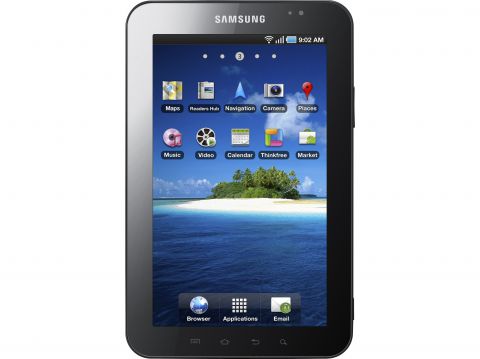
In 2011, that is, a year after the iPad was launched, the market was filled with Android tablets of various shapes to the extent that CES 2011 was crowded with tablets running the Android system for phones without any modification to suit tablets and with poor performance from most of these companies that launched their tablets, believing All it takes to sell a tablet is to put a processor, battery, and system for mobile phones in a device with a huge screen and it will sell itself.
Forgetting what Steve Jobs said when the iPad was launched ...
Regardless of the hardware in a hardware device, the operating system is what defines the user experience
Although iPhone applications can work on the iPad, Apple told developers to redesign their iPad applications to take advantage of the screen size and gave them two months to prepare their applications before the device was launched in the market, so when the device was launched in the market, the store was crowded with high-quality iPad applications, and this was a difference between the iPad and Android tablets.
Google's attempt to make up for the deficiencies

Google launched the Honeycomb 3.0 system for tablets to compete with the iPad, but the system was slow, full of programming errors and relatively difficult to control compared to iOS, it was clear that Google was in a hurry to launch a system to compete with the iPad forgetting to focus on finding solutions to provide custom applications For tablets and developers' help with that, and since Google launched its tablet system, Google has continued to demonstrate that it does not know what it takes to launch a successful tablet device. In 2012, Google launched its Nexus 7 tablet, a cheap, small and lightweight tablet that includes Google services, but after one year the device has become plagued by software errors and multiple system problems.
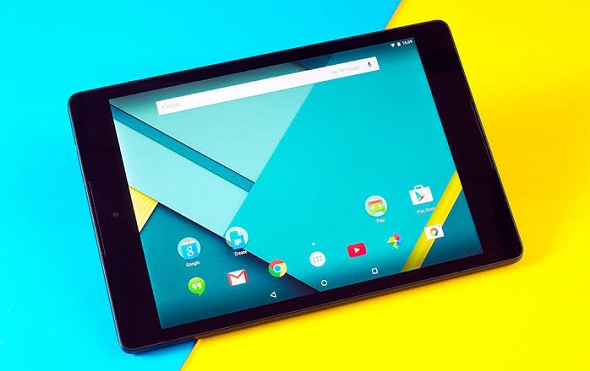
In 2014, Google launched the Nexus 9 device with powerful hardware and a larger size, and the main selling point of the device was the presence of an Nvidia chip in the device to provide the strongest performance in the market, but it ended up being the device that delivers weaker performance than the iPad Air 2 and until that moment there were no applications dedicated to work On Android tablets, after 18 months, the Nexus 9 was canceled due to Google's change of strategy again at the end of 2015. Google announced the Pixel C device to compete with the iPad Pro from Apple, and the device also did not achieve any success because it did not provide any new or solution to previous problems.
Google surrender

In 2019, Google officially announced that it had stopped making or developing any tablet device, and they would focus on notebook devices. Google was able, with the Android system, to sweep the smartphone market, but it was the opposite in the iPad tablet market now. Looking at the past 6 months (the second and third quarter), in which Apple did not provide an update for the most important device, the iPad Pro, and despite this it sold 24.1 million iPads This is followed by Samsung, with 9.5 million, Amazon, 7.9 million, and Huawei, 6.9 million.
The first choice for the tablet market is still the iPad with a clear difference from the competitors and comes from afar Samsung, Huawei and Amazon who provide tablets to compete with the iPad with extensive modifications to the Android system by each manufacturer, but Apple is still in control as it offers the best price categories in this The market with the best performance and the best user experience.




23 comment